Why winter worsens throat infections? Yes — health authorities in Iceland and across Europe, including Poland, are reporting an earlier and more intense start to the winter respiratory season than usual. Iceland’s Chief Epidemiologist told national broadcaster RÚV that this year’s surge in seasonal infections began about a month earlier than normal, with flu activity also rising sharply. Across the wider WHO European Region, influenza has been sweeping through earlier than usual this season, with a newly dominant virus strain placing health systems under significant pressure in some countries. Because sore throat and pharyngitis are among the earliest and most common symptoms of these winter viruses, throat infections are rising right alongside them.
This guide explains what’s actually happening, why winter makes throat infections worse, how Iceland and Poland compare to a typical year, and what you can do to protect yourself and your family.

Are Winter Throat Infections Increasing? What Health Authorities Are Reporting.Why winter worsens throat infections?
This isn’t just a feeling — it’s backed by official surveillance data.
- Iceland: Norovirus activity, which typically rises in winter, came about a month earlier than expected this year, and influenza cases have also been climbing. Hospitals have reported added pressure from the combined rise in seasonal illnesses.
- Poland and the wider European region: More than half of the WHO European Region is experiencing an intense, early influenza season driven by a new strain, putting health systems under significant pressure. Regional surveillance from the ECDC has also shown sharp increases in both influenza and RSV activity across almost all reporting countries, with a visible impact on hospitals.
So, is this really a meaningful rise compared to a typical year? Based on current public health reporting, the answer is yes in both countries — not because of one single new “superbug,” but because several common winter viruses arrived earlier and are circulating more intensely than usual.
Why Are Winter Throat Infections Increasing? The Science Explained
Understanding why helps make sense of this trend beyond the headlines.Why winter worsens throat infections?
Are Winter Throat Infections Increasing Because of Cold, Dry Air?
Cold air holds less moisture, and indoor heating dries it out further. Dry air irritates the mucous membranes lining your throat, making them more vulnerable to viral and bacterial invasion. This is one of the most consistent, well-documented reasons why throat infections cluster in winter every single year — and it’s amplified in years when circulating virus strains are more transmissible.
Are Winter Throat Infections Increasing Because People Are Indoors More?
Cold weather pushes people into closer, longer indoor contact — homes, schools, offices, public transport. Respiratory droplets and contaminated surfaces spread far more efficiently in these enclosed spaces than outdoors, which is a major driver of any winter infection surge, including this year’s..Why winter worsens throat infections?
Are Winter Throat Infections Increasing Because Viruses Survive Longer in Cold Air?
Many cold- and flu-causing viruses survive longer on surfaces and in the air at low temperature and low humidity. Combined with more indoor crowding, this creates ideal conditions for the kind of rapid, early-season spread that Iceland and the wider European region are reporting.
Are Winter Throat Infections Increasing Due to a New Virus Strain?
Part of this season’s early, intense spread in Europe has been linked to a newly dominant influenza strain. New or shifted strains can spread faster because fewer people have existing immunity to them, which helps explain why the season started earlier than usual rather than following the typical late-winter pattern.
What Counts as a “Throat Infection”? A Quick Primer
Most winter throat infections fall into one of two categories:
- Viral pharyngitis — caused by cold and flu viruses; usually resolves on its own within a week and doesn’t need antibiotics.
- Bacterial pharyngitis (including strep throat) — caused by bacteria such as group A strep; this is more common in winter and early spring and can be treated with antibiotics when confirmed by a healthcare provider.
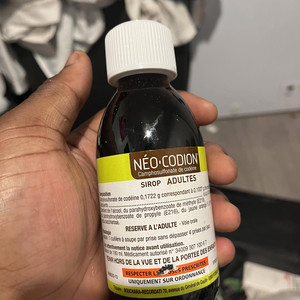
For a deeper clinical overview of the condition itself, including causes, diagnosis, and treatment, see the Wikipedia entry on pharyngitis. For more on how to tell a routine seasonal sore throat apart from something that needs medical attention, see our related guide on is codeine cough syrup safe for a sore throat
Iceland vs. Poland: How Are Winter Throat Infections Increasing Differently?
While both countries are seeing an earlier, more intense winter respiratory season, the local picture differs slightly:
| Iceland | Poland / Wider Europe | |
|---|---|---|
| Reported pattern | Norovirus and flu activity rose about a month earlier than usual, adding pressure to hospitals. | Part of a broader, early, intense influenza season across more than half of the WHO European Region. |
| Likely drivers | Early seasonal norovirus and flu circulation, cold climate, indoor gatherings | A newly dominant influenza strain spreading earlier than typical. |
| What it means for throat infections | Sore throat and pharyngitis symptoms rising alongside flu and norovirus cases | Sore throat commonly reported alongside flu-like illness during the surge |
This regional variation is normal — winter illness patterns are shaped by local climate, travel patterns, vaccination coverage, and which virus strains happen to dominate that season. But the overall direction is clear: this year’s rise is real in both places, relative to a typical season.Why winter worsens throat infections?
Who Is Most at Risk When Winter Throat Infections Increase?
- Young children, whose immune systems have less prior exposure to circulating strains
- Older adults, particularly those with underlying heart or lung conditions
- People with compromised immune systems
- Anyone in crowded indoor settings — schools, offices, public transport, care homes
If you’re in one of these groups, it’s worth paying closer attention this season, since the earlier, more intense start is especially relevant to how much added caution is worthwhile.Why winter worsens throat infections?
How to Protect Yourself: Practical Steps
- Keep indoor air humidified where possible — this helps counter the dry-air irritation that makes throats more vulnerable.
- Wash hands frequently, especially after being in crowded public spaces.
- Stay home when symptomatic to avoid contributing to indoor spread.
- Consider seasonal flu vaccination, especially if you’re in a higher-risk group — check current guidance with your local health authority.
- Stay hydrated and use throat lozenges or warm salt-water gargles for mild symptom relief.
- See a doctor if symptoms are severe, persistent beyond a week, or accompanied by high fever, difficulty swallowing, or breathing problems.
Community Q&A: What Readers Are Asking This Winter
Compiled from common reader questions about this season’s throat and respiratory illness increase.
“Is this the same as previous winters, or is something different happening?” The underlying viruses (flu, cold viruses, strep) are largely the same ones that circulate every winter. What’s different this year, based on current health authority reports, is timing and intensity — the season started earlier and has been more intense in several countries, which is why this year’s seasonal rise has become a common search topic.
“Should I be worried, or is this just normal seasonal news?” For most healthy adults, this remains a manageable seasonal illness pattern, not a novel emergency. The heightened attention reflects genuinely earlier and busier hospital seasons reported by health authorities, which is worth taking seriously — especially if you’re in a higher-risk group — without needing to panic.Why winter worsens throat infections?
“Does a sore throat always mean I need antibiotics?” No. Most sore throats are viral and resolve without antibiotics. A healthcare provider can test for bacterial causes like strep throat if your symptoms suggest it (sudden severe pain, fever, no cough, swollen glands).
FAQ: Are Winter Throat Infections Increasing?
Are winter throat infections increasing everywhere, or just in Iceland and Poland?
Why winter worsens throat infections?The rise has been documented most clearly in Iceland and across the wider WHO European Region, but seasonal throat and respiratory infections typically increase in most temperate-climate countries every winter. What’s notable this year is the earlier timing and higher intensity reported by health authorities, not that it’s happening in only two countries.Why winter worsens throat infections?
Are winter throat infections increasing because of a new, more dangerous virus?
Not necessarily more dangerous — but part of the surge has been linked to a newly dominant influenza strain that spreads more easily because fewer people have built-up immunity to it. That’s different from the virus being inherently more severe for most people.
How long does a typical winter throat infection last?
Most viral sore throats improve within 5–7 days. Bacterial throat infections, like strep throat, often improve within a few days of starting appropriate antibiotics. See a healthcare provider if symptoms last longer or worsen.
Are winter throat infections increasing among children specifically?
Children are frequently among the first groups affected in any seasonal surge, since they have less built-up immunity and close contact in schools and childcare settings. Reports from Iceland and across Europe reflect increases spanning multiple age groups, including children.Why winter worsens throat infections?
What’s the difference between a cold-related sore throat and strep throat?
A cold-related sore throat usually comes with a runny nose, cough, and mild symptoms that improve gradually. Strep throat tends to appear suddenly, with severe throat pain, fever, and swollen glands, but without a cough — and needs a clinical test to confirm.
When should I see a doctor for a winter sore throat?
See a doctor if you have a sore throat lasting more than a week, difficulty breathing or swallowing, a high fever, or if you’re in a high-risk group (very young, elderly, or immunocompromised) and symptoms feel severe.Why winter worsens throat infections?
Key Takeaways: Are Winter Throat Infections Increasing?
To sum up: yes, this season’s rise in winter throat infections is well-supported by current health authority reporting from Iceland and across the wider European region. Iceland’s health authorities have confirmed seasonal infections arrived about a month earlier than usual, and the WHO European Region has reported an intense, early influenza season affecting more than half its member countries. The drivers are familiar — cold, dry air, more indoor crowding, and virus survival — combined with an earlier-than-usual start and, in parts of Europe, a newly dominant strain. Most cases remain manageable with basic precautions and, when needed, medical care; higher-risk groups should take the earlier timing as a cue to act on prevention sooner rather than later.Why winter worsens throat infections?