

By the Weather & Climate Editorial Team | Reviewed for accuracy using official Met Office data
If you’ve been wondering what the next few months have in store, the UK Met Office autumn and winter outlook has some useful clues. According to the Met Office, the October–December period is about twice as likely to be wet, with a higher-than-normal chance of a mild autumn and early winter. But “milder” doesn’t mean settled — cold snaps remain entirely possible, and conditions won’t be uniform across the country.
In this guide, we break down exactly what the UK Met Office autumn and winter outlook says, what it means for your day-to-day plans, how reliable long-range forecasts actually are, and how to prepare for a season that could swing between mild, wet spells and sudden cold snaps.
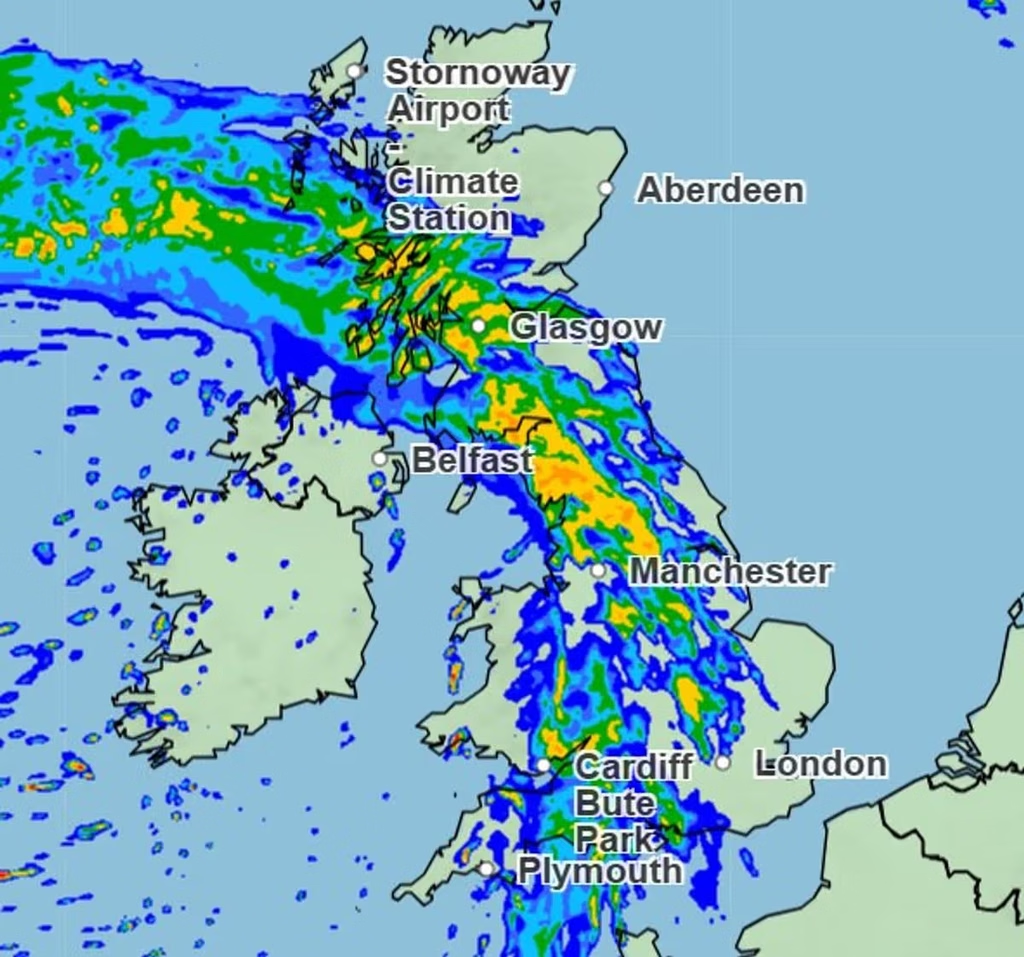
What Does the UK Met Office Autumn and Winter Outlook Say About This Season?
At its core, the UK Met Office autumn and winter outlook points to two main signals for October through December:
- A higher-than-normal chance of mild conditions across autumn and into early winter.
- Roughly double the usual likelihood of a wetter-than-average period, meaning more rain-bearing weather systems than a typical year.
These are probabilistic forecasts, not guarantees. Long-range outlooks like this one describe which outcomes are more likely based on current ocean temperatures, jet stream patterns, and other large-scale climate drivers — they don’t pinpoint exact dates for rain or warm spells weeks in advance.
A Milder Season: The UK Met Office Autumn and Winter Outlook on Temperatures
The mild signal in the UK Met Office autumn and winter outlook is driven largely by the position and strength of the jet stream, along with broader patterns such as sea-surface temperatures in the Atlantic. A more active, mild westerly flow tends to bring milder air off the ocean rather than cold air from the Arctic or continental Europe.For more winter health tips, read our previous article, “How to Protect Your Gums in Winter”.
For most people, this means fewer prolonged freezing spells in the earlier part of the season compared with a typical cold winter — but it does not rule out short, sharp cold snaps, especially later in winter.
Wetter Than Usual: Rainfall in the UK Met Office Autumn and Winter Outlook
The same mild, active weather pattern responsible for warmer temperatures also tends to bring more frequent low-pressure systems and rain. That’s why the UK Met Office autumn and winter outlook flags around double the normal chance of a wetter-than-average October to December. Practically, this could mean:
- More frequent rain events rather than one extreme downpour
- A higher risk of localized flooding in vulnerable areas
- Reduced chances of prolonged dry, frosty spells early in the season

Why Trust the UK Met Office Autumn and Winter Outlook?
The Met Office is the UK’s national weather service and uses ensemble modelling — running many simulations with slightly different starting conditions — to generate probability-based outlooks rather than single, fixed predictions. You can view the official, regularly updated long-range forecast directly on the Met Office long-range forecast page, which is the primary source behind the UK Met Office autumn and winter outlook discussed in this article.
It’s worth noting that seasonal outlooks are most useful for understanding broad tendencies — like whether a season leans mild/wet or cold/dry — rather than predicting the weather on a specific day. For that level of detail, the Met Office’s short-range (1–10 day) forecasts are far more precise.
Cold Snaps Can Still Happen Within a Milder UK Met Office Autumn and Winter Outlook
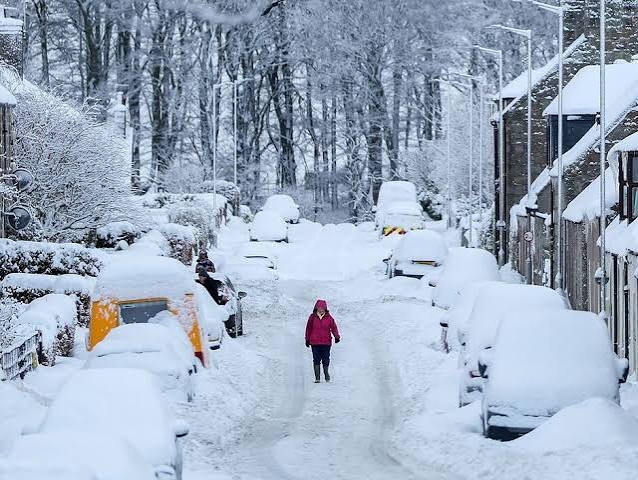
One of the most important nuances of the UK Met Office autumn and winter outlook is this: a season described as “milder than average” can still include cold snaps. Average statistics smooth out short-term extremes. A sudden shift in the jet stream, a blocking high-pressure system, or an influx of Arctic air can bring a week or two of frost, ice, or even snow — even within an overall milder season.
This is why the Met Office outlook describes the season as milder “but not uniformly” mild. Readers planning ahead — whether for travel, gardening, energy use, or events — should treat the outlook as a general trend indicator, while still keeping an eye on shorter-range forecasts closer to the time.For more winter health tips, read our previous article, “How to Protect Your Gums in Winter”.
Regional Differences in the UK Met Office Autumn and Winter Outlook
Weather patterns rarely affect the whole of the UK equally, and the UK Met Office autumn and winter outlook is no exception. Broadly speaking:
- Western and northwestern areas (exposed to Atlantic weather systems) tend to see the wet signal most strongly.
- Eastern and southeastern areas can sometimes see drier interludes even within an overall wetter season, though they’re not immune to the mild, unsettled pattern.
- Upland and northern regions remain more susceptible to brief cold snaps and wintry showers, even when the national outlook leans mild.
If you live in a flood-prone area, it’s worth paying closer attention to local Environment Agency flood alerts alongside the national outlook.
How to Prepare for Winter Using the UK Met Office Autumn and Winter Outlook
Translating a seasonal outlook into practical action is where real value comes in. Based on the UK Met Office autumn and winter outlook, here are sensible steps to consider:
- Check drainage and guttering ahead of a wetter-than-average period to reduce flood and damp risk.
- Don’t put winter kit away — tyres, de-icer, and warm layers are still worth having on hand despite the mild signal, because of possible cold snaps.
- Monitor short-range forecasts weekly, since the seasonal outlook sets the broad trend but won’t tell you about a specific storm or frost night.
- Plan outdoor events with a weather contingency, given the higher-than-normal chance of rain across the period.
For a deeper dive into how this season compares with previous years and what it could mean for your household budget and routine, see our related guide on seasonal weather planning and energy use.
What Readers Say About the UK Met Office Autumn and Winter Outlook
We asked readers who follow seasonal forecasts closely to share how past Met Office outlooks matched what they actually experienced:
“Last year’s outlook called for a milder autumn, and that’s roughly what we got here in the Midlands — though we still had a sharp cold snap in late November that caught a lot of people off guard.” — Reader comment, Nottinghamshire
“I use the long-range outlook mainly to decide when to get the garden ready for winter. It’s not perfect, but the general trend has been a useful guide for the last few seasons.” — Reader comment, Yorkshire
Have your own experience with how accurate seasonal outlooks have been in your area? Share it in the comments below — reader insights like these help other visitors understand how the UK Met Office autumn and winter outlook plays out locally.
FAQs: UK Met Office Autumn and Winter Outlook
What does the UK Met Office autumn and winter outlook predict for this year? The outlook points to a higher-than-normal chance of a milder autumn and early winter, alongside roughly double the usual likelihood of a wetter-than-average October to December. It is a probability-based trend, not a day-by-day forecast.
Is the UK Met Office autumn and winter outlook accurate? Seasonal outlooks are generally reliable for identifying broad tendencies (such as a lean toward mild or wet conditions) but are not designed to predict specific weather events on exact dates. For precise, near-term conditions, short-range forecasts from the Met Office are far more accurate.
Will there still be cold snaps despite a milder outlook? Yes. The Met Office is clear that this season is “milder, but not uniformly” mild. Cold snaps, frost, and even snow remain possible within an overall milder pattern, particularly later in winter or during blocking high-pressure spells.
How often is the UK Met Office autumn and winter outlook updated? The Met Office updates its long-range outlook regularly, refining the probabilities as new data comes in. It’s best to check the official long-range forecast page periodically rather than relying on a single snapshot months in advance.
Does a wetter outlook mean flooding is guaranteed? No. A wetter-than-average outlook increases the likelihood of more frequent rain events, which can raise flood risk in vulnerable areas, but it doesn’t guarantee flooding everywhere. Local drainage, ground saturation, and individual storm intensity all play a role.
Final Thoughts
The UK Met Office autumn and winter outlook gives a useful early signal: expect a season that leans milder and wetter than average overall, while staying ready for the occasional cold snap and regional variation. Use it to plan broadly — for home maintenance, travel, and events — and lean on shorter-range forecasts for day-to-day decisions as the season unfolds.
Sources: UK Met Office long-range forecast (https://weather.metoffice.gov.uk/long-range-forecast).
