
What Happens If You Take Cough Syrup Without a Cough? In short: your body still absorbs the active drug, so you get all the side effects — drowsiness, dizziness, nausea, a racing heart, or in some cases dependency — with none of the benefit, because there’s no cough to treat. Cough syrup isn’t a harmless “just in case” drink; it’s a medicine with active ingredients that act on your brain, gut, and heart whether or not you actually need it.
This guide breaks down exactly what happens in your body, who is most at risk, and what to do instead if you’re tempted to take cough syrup without a cough.
 Cough syrup contains active drugs — taking it without a cough still exposes your body to those effects.
Quick Answer: What Happens If You Take Cough Syrup Without a Cough?
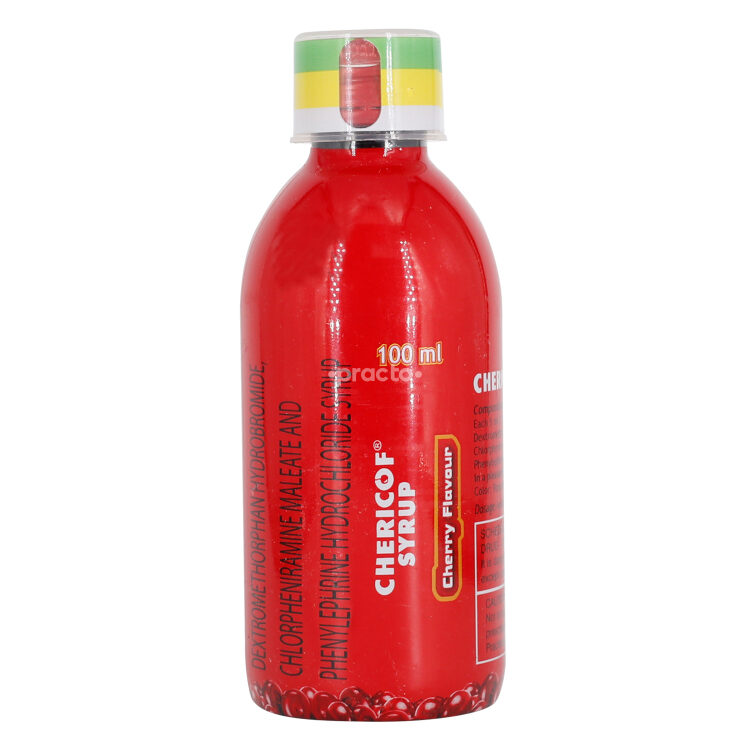
Most over-the-counter cough syrups contain one or more of these active ingredients:
- Dextromethorphan (DXM) – suppresses the brain’s cough reflex
- Guaifenesin – thins mucus (an expectorant)
- Antihistamines (e.g., diphenhydramine, chlorpheniramine) – cause drowsiness
- Codeine (in prescription-strength syrups) – a mild opioid
None of these ingredients “know” whether you have a cough. Once swallowed, they enter your bloodstream and act on your central nervous system, gut, and heart regardless of your symptoms. That’s the core of what happens if you take cough syrup without a cough: you experience the drug’s full effect without the illness it was designed to treat.
For more information about cough syrup, including its risks, dependence, and warning signs, see our previously published article: Is Codeine Cough Syrup Physically Addictive?
What Happens If You Take Cough Syrup Without a Cough? Short-Term Effects
If you take a normal, single dose without needing it, most healthy adults will notice mild but real effects within 30–60 minutes:
- Drowsiness or a “foggy” feeling
- Mild dizziness or light-headedness
- Dry mouth
- Nausea or an upset stomach
- Slowed reaction time (unsafe for driving or operating machinery)
These are the most common answers people get when they search what happens if you take cough syrup without a cough out of curiosity or habit. They aren’t usually dangerous at a normal dose, but they are unnecessary — you’re accepting side effects for zero medical benefit.
What Happens If You Take Cough Syrup Without a Cough at a High Dose?
This is where the picture changes. Taking more than the labeled dose — which is common when people misuse cough syrup for its sedative or euphoric effects — can cause:What Happens If You Take Cough Syrup Without a Cough?
- Hallucinations or confusion (especially with DXM)
- Rapid or irregular heartbeat
- Vomiting
- Loss of coordination
- Extreme drowsiness or blackout
- In severe cases, seizures or breathing problems
This is one of the most searched aspects of what happens if you take cough syrup without a cough, because high-dose misuse (“robotripping”) is a real and dangerous trend, particularly among teenagers who mistakenly believe it’s safer than illegal drugs because it’s sold over the counter.
What Happens If You Take Cough Syrup Without a Cough? Long-Term Health Risks
Occasional single-dose use without a cough is unlikely to cause lasting harm in a healthy adult. But regular, repeated use without medical need is a different story. Over time, the body adapts to these substances, and that adaptation carries risks.“For more information about cough syrups and how fast-acting formulations work, see our previously published guide: How Can I Get Fast-Acting Syrup?.”
1. Tolerance and Dependence
Repeatedly taking cough syrup — especially codeine-based or DXM-based formulas — trains the brain to expect the drug. This can lead to tolerance (needing more for the same effect) and, eventually, dependence. This progression is a key part of what happens if you take cough syrup without a cough on a regular basis, and it’s a pattern flagged by addiction specialists worldwide.
2. Liver and Kidney Strain
Many combination cough syrups also contain acetaminophen (paracetamol) for fever/pain. Taking it unnecessarily, especially alongside other medications, adds an avoidable load on the liver and kidneys over time.
3. Heart Rhythm Issues
Decongestant ingredients like pseudoephedrine or phenylephrine raise heart rate and blood pressure. Unneeded, repeated exposure can be risky for people with underlying heart conditions.
4. Masking a Real Problem
If you’re taking cough syrup without an active cough because you enjoy the sedative effect, it may be masking anxiety, insomnia, or another issue that deserves proper medical attention rather than self-medication.
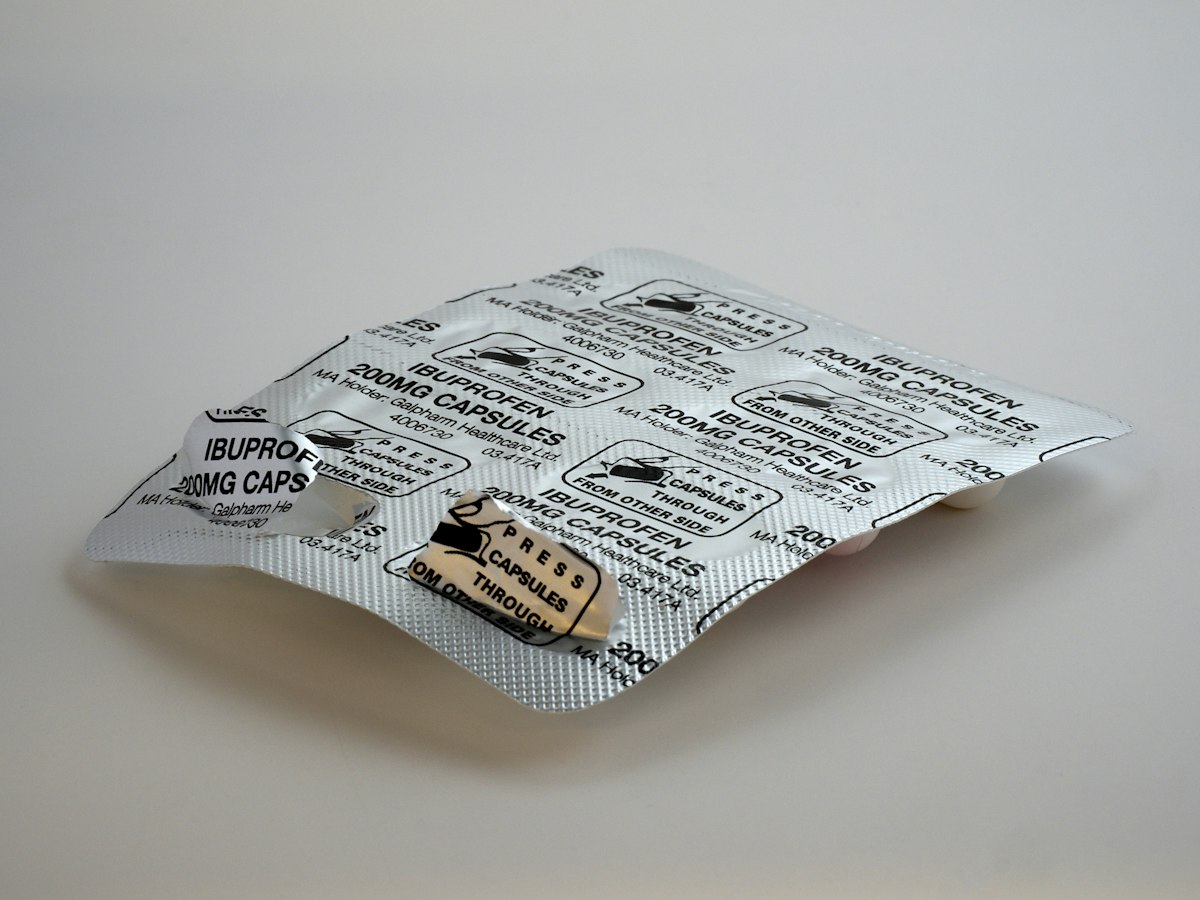 Always read the label — cough syrup is formulated for specific symptoms, not general use.
What Happens If You Take Cough Syrup Without a Cough? in Children and Teens
Children and teenagers are far more sensitive to these medications than adults, and this is where what happens if you take cough syrup without a cough becomes genuinely urgent.
- Health authorities generally advise against giving over-the-counter cough and cold medicine to children under 4–6 years old, even when they do have a cough, because the risk of side effects outweighs the limited benefit at that age.
- Giving it without any cough at all removes even that limited benefit, leaving only risk: drowsiness, breathing changes, and accidental overdose (cough syrups are a leading cause of accidental child poisoning because they’re often flavored and easy to overconsume).
- Teenagers who misuse cough syrup recreationally are at risk of the high-dose effects listed above, plus long-term behavioral and academic consequences.
If a child has swallowed cough syrup without needing it, or more than the recommended amount, contact a poison control center or doctor immediately rather than waiting for symptoms to appear.What Happens If You Take Cough Syrup Without a Cough?
Why Do People Take Cough Syrup Without a Cough?
Understanding the “why” helps explain the different effects people report from taking it unnecessarily:
- Prevention mindset – “I feel a cold coming on, so I’ll start early.” Cough syrup doesn’t prevent colds; it only manages an existing cough.
- Sleep aid – The antihistamine in many syrups causes drowsiness, so some people use it off-label to fall asleep.
- Recreational misuse – Particularly with DXM, some people take large amounts to get a dissociative high.
- Habit or leftover medicine – Finishing a bottle “just in case,” out of habit, rather than medical need.
None of these reasons change the biology: the drug still acts on your body the same way, whether your intent was prevention, sleep, or recreation.
Is It Safe to Take Cough Syrup Without a Cough?
For a single, standard dose in a healthy adult, the risk is generally low but not zero — you may still feel drowsy or nauseated. The safety profile changes significantly with:
- Dose – higher than recommended = higher risk
- Frequency – occasional vs. daily use
- Age – children, teens, and older adults are more vulnerable
- Other medications – interactions with sedatives, antidepressants, or other cold medicines
- Underlying conditions – heart disease, liver disease, glaucoma, or breathing disorders
The honest, medically accurate summary is: it’s rarely a medical emergency at a normal single dose, but it’s also never actually necessary, and the risks only grow with dose, frequency, and age.
Safer Alternatives to Taking Cough Syrup Without Needing It
If you’re reaching for cough syrup for a reason other than an actual cough, consider these evidence-based alternatives instead:
- For sleep issues: Practice sleep hygiene, limit screens before bed, or speak with a doctor about a proper sleep aid.
- For a scratchy throat with no real cough: Warm fluids, honey (in adults and children over 1 year), or throat lozenges.
- For anxiety or stress: Speak with a mental health professional rather than self-medicating with sedating cold medicine.
- For general cold prevention: Handwashing, rest, hydration, and a balanced diet do far more than any cough syrup.
When to See a Doctor

Seek medical advice if:
- You or your child has taken cough syrup without needing it and is showing drowsiness, confusion, a fast heartbeat, or vomiting
- You find yourself relying on cough syrup regularly without an active cough
- You’ve taken more than the labeled dose, even once
- You’re combining cough syrup with alcohol or other medications
If symptoms are severe (difficulty breathing, seizures, unresponsiveness), treat it as a medical emergency and seek immediate help.
What Readers Are Saying
This topic gets a lot of real questions from readers and patients. A few common ones we hear:
“I gave my toddler cough syrup ‘just to help him sleep’ even though he wasn’t coughing much — was that risky?” — Yes, and health authorities now advise against this practice in young children.
“I take a dose of cough syrup every night to fall asleep, no cough at all. Should I be worried?” — This is a sign of developing dependence and is worth discussing with a doctor.
Have your own experience or question about cough syrup use? Share it in the comments below — real reader questions help us keep this guide accurate and useful for the next person searching the same thing.
Frequently Asked Questions
What Happens If You Take Cough Syrup Without a Cough?
You still absorb the active drug ingredients (like dextromethorphan or antihistamines), so you may feel drowsiness, dizziness, or nausea, even though there’s no cough for the medicine to treat.What Happens If You Take Cough Syrup Without a Cough?
Is it bad to take cough syrup every day without a cough?
Yes, regular use without medical need can lead to tolerance, dependence, and unnecessary strain on your liver, kidneys, and heart over time.
Can cough syrup make you sleepy if you don’t have a cough?
Yes. Many cough syrups contain antihistamines, which cause drowsiness regardless of whether you have a cough. This is why some people misuse it as a sleep aid, which isn’t recommended.
Can taking cough syrup without a cough get you high?
In high doses, dextromethorphan-based cough syrups can cause a dissociative, hallucinogenic effect known as “robotripping.” This is a dangerous form of substance misuse, not a safe recreational activity.
Is it safe to give a child cough syrup if they aren’t coughing?
No. Health authorities generally recommend against giving over-the-counter cough and cold medicine to young children even when they have symptoms, and there is no medical reason to give it when there’s no cough at all.
What should I do instead of taking cough syrup without a cough?
Address the actual issue directly — better sleep habits for insomnia, hydration and honey for a mild throat irritation, or professional support for anxiety — rather than using cough syrup off-label.
Key Takeaway
The clearest way to summarize what happens if you take cough syrup without a cough is this: the medicine doesn’t distinguish between “needed” and “not needed” — it acts on your body the same way either time. Used without a real cough, you take on all of the risk and side effects with none of the benefit. If you regularly feel the urge to take cough syrup without an actual cough, that’s worth a conversation with a healthcare provider rather than a habit to continue.
Related reading: [insert a link here to your own related article, e.g., “How to Treat a Cough Naturally at Home”]
Further reading:
This article is for general educational purposes and is not a substitute for professional medical advice. Always consult a licensed doctor or pharmacist before starting, stopping, or changing any medication, especially for children.