
Short answer: Yes. Research from neuroscientists consistently shows that nicotine changes the teenage brain in ways it does not change an adult brain. Because the brain keeps developing key regions — like the prefrontal cortex — until around age 25, nicotine exposure during the teen years can rewire reward pathways, weaken impulse control, and make full-blown addiction take hold faster and stick around longer. If you’ve ever asked yourself, does nicotine harm teens?, this guide breaks down exactly what the science says, why the teenage brain is uniquely at risk, and what parents, teachers, and teens themselves can do about it.See our previous article on nicotine pouches and oral nicotine products for related information and further reading. Previous nicotine article
Does Nicotine Harm Teens? A Quick, Evidence-Based Answer
To answer the question directly: yes, it harms teens more than it harms fully grown adults. Neuroscience says so, and the reasons come down to timing. Adolescence is one of the two periods in life (the other being gestation) when the brain is undergoing rapid rewiring. During this window, the brain is more “plastic,” meaning it changes more easily in response to outside chemicals — including nicotine.
This is why public health researchers, including those cited by the Wikipedia entry on addiction, point out that the earlier a person is exposed to an addictive substance, the higher their lifetime risk of dependence. Nicotine itself is a fast-acting stimulant, and its full biological profile is detailed on the Wikipedia page for nicotine, which explains how it binds to receptors in the brain and body.
Why Are Teen Brains More Vulnerable? Does Nicotine Harm Teens More Than Adults?
The teenage brain isn’t just a smaller version of an adult brain — it’s a brain under construction. Three systems are still maturing during the teen years, and all three are affected when nicotine enters the picture.For more information about nicotine and recent regulations, see our previous article on Bill 8333 and nicotine limits. Bill 8333: Flavour Ban, Nicotine Limits and New E-Cigarette Rules
Does Nicotine Harm Teens by Disrupting the Reward System?
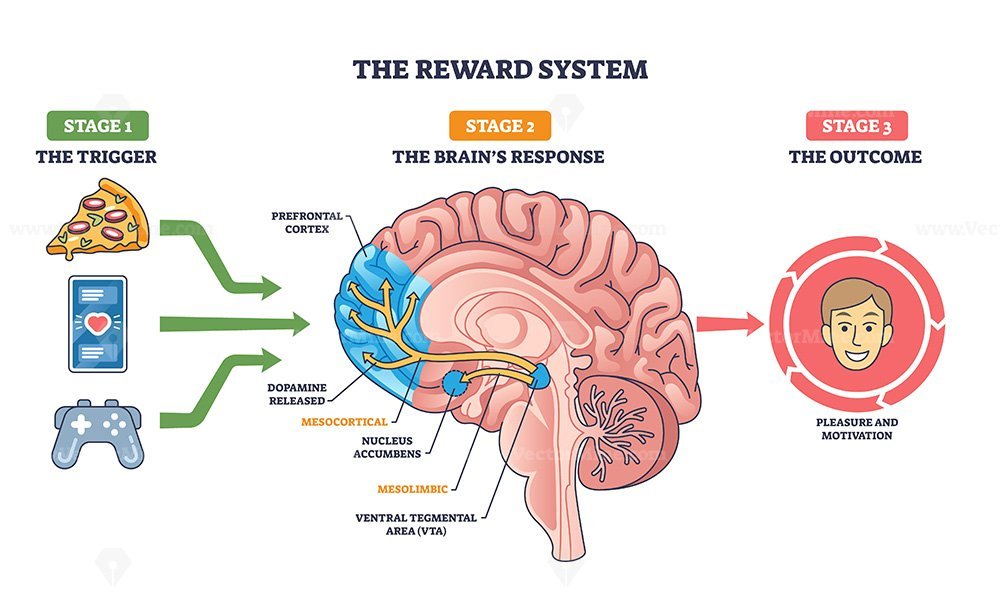
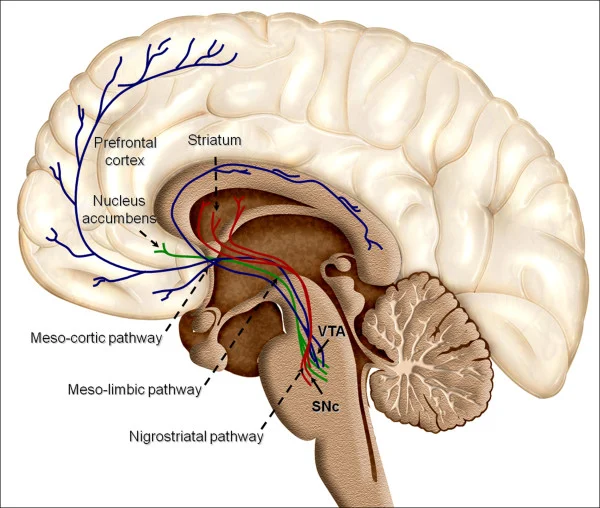
Yes. Nicotine triggers a flood of dopamine, the brain’s “feel good” chemical. In teens, the dopamine reward system is more sensitive and still calibrating itself. Repeated nicotine exposure during this calibration period can permanently raise the “reward threshold,” meaning teens may need more nicotine (or other substances) later in life to feel the same satisfaction. This is one of the clearest ways does nicotine harm teens shows up biologically — it doesn’t just cause a temporary high, it can reset how the brain experiences pleasure and reward for years to come.
Does Nicotine Harm Teens’ Prefrontal Cortex and Decision-Making?
The prefrontal cortex — the part of the brain responsible for planning, impulse control, and weighing consequences — is the last region to fully mature, often not finishing until the mid-20s. Nicotine exposure during adolescence has been linked in animal and human studies to altered development in this region, which can translate into weaker impulse control and a higher likelihood of risk-taking. So when people ask does nicotine harm teens’ ability to make good decisions, the research points to yes: nicotine appears to interfere with the very brain circuitry teens need for sound judgment.
Does Nicotine Harm Teens’ Memory and Learning?
Studies on adolescent nicotine exposure show measurable effects on attention, working memory, and learning ability. Because the hippocampus (the brain’s memory center) is also still developing during the teen years, nicotine’s effect on learning is not just short-term — some changes appear to persist well after a teen stops using nicotine products.
Vaping vs. Smoking: Does Nicotine Harm Teens Differently Depending on the Source?
A common misconception is that vaping is “safer” and therefore doesn’t raise the same concern. But nicotine is nicotine, regardless of delivery method. In fact, many vape products deliver higher concentrations of nicotine per use than a traditional cigarette, and their flavored, low-odor design makes them easier to use frequently without detection. This means the underlying biological answer to does nicotine harm teens who vape is the same as for teens who smoke — the brain doesn’t distinguish between nicotine from a cigarette, a vape pen, or a pouch.
Key differences worth knowing:
- Cigarettes: Deliver nicotine alongside thousands of other chemicals from combustion, adding lung and cardiovascular risk on top of nicotine’s brain effects.
- Vapes/e-cigarettes: Often deliver nicotine more rapidly and in higher concentrated doses, which can accelerate dependence.
- Nicotine pouches and smokeless products: Marketed as discreet alternatives, but still deliver enough nicotine to affect the developing brain.
Long-Term Risks: Does Nicotine Harm Teens Into Adulthood?
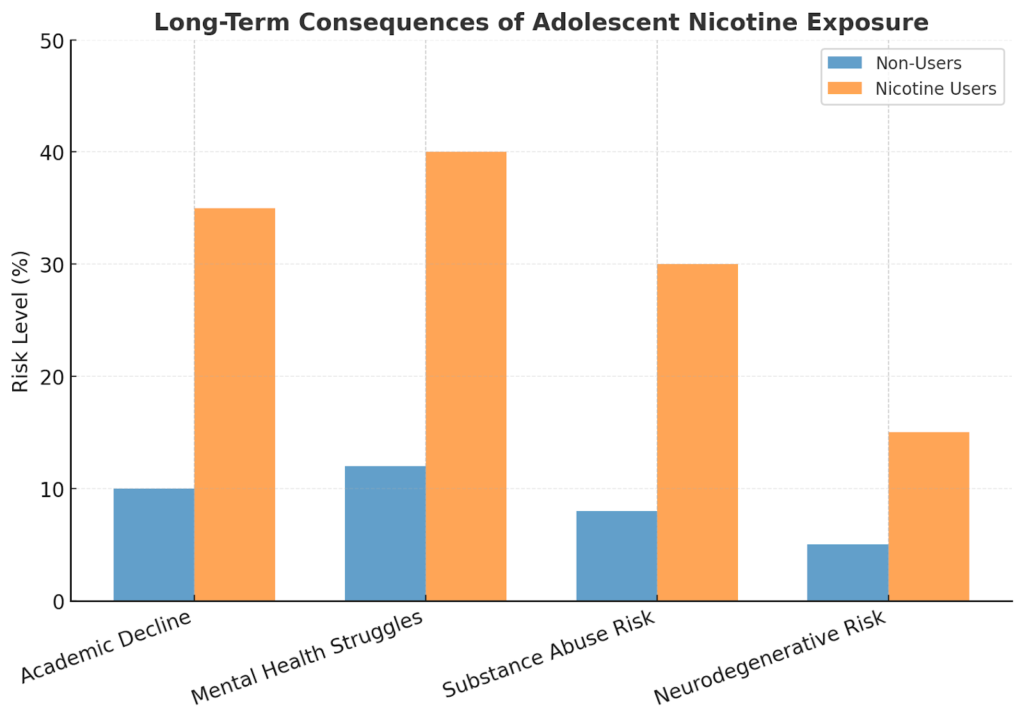
The effects of teen nicotine use don’t necessarily end when the teen years do. Longitudinal research suggests that:
- Earlier addiction, deeper addiction. Teens who start using nicotine are statistically more likely to become long-term, harder-to-quit users than people who start as adults.
- Gateway effect. Several studies have found that teens who use nicotine products are more likely to try other addictive substances later, likely because nicotine primes the brain’s reward circuitry to respond more strongly to future drugs.
- Mood and anxiety links. Adolescent nicotine exposure has been associated with a higher risk of anxiety and mood-related symptoms later in life, though researchers are still working out exactly how much of this is causal versus correlated.
So the risks aren’t limited to the short term — they compound and can follow a person well into adulthood.
Warning Signs: How to Tell If Nicotine Is Affecting a Teen You Know
If you’re trying to figure out whether nicotine is more than a hypothetical concern for someone in your life, watch for:
- Increased irritability or restlessness when they haven’t used nicotine recently
- A noticeable drop in grades, focus, or motivation
- Secretive behavior around a vape device, pouches, or unfamiliar smells
- Strong cravings or repeated failed attempts to quit
- Withdrawal symptoms like trouble sleeping, anxiety, or difficulty concentrating
These signs align with the broader pattern of substance dependence described on the Wikipedia page on addiction, which explains how compulsive use despite negative consequences is a hallmark of addictive behavior.
What Parents, Teachers, and Teens Can Do
Knowing the science behind this risk is the first step — the next step is action.
- Start the conversation early and without judgment. Teens respond better to open dialogue than to lectures or scare tactics.
- Explain the “why,” not just the “don’t.” Teens are more likely to make informed choices when they understand why their brain is more vulnerable, not just that a rule exists.
- Model healthy coping strategies. Many teens turn to nicotine to manage stress or social anxiety — offering real alternatives matters more than restriction alone.
- Know where to find support. School counselors, pediatricians, and youth-focused cessation programs can help teens who are already dependent.
- Read related resources on our site — see our guide on recognizing early signs of substance dependence in teens for a deeper look at prevention strategies that work.
Frequently Asked Questions
Does nicotine harm teens more than adults?
Yes. Because key brain regions — especially the prefrontal cortex and reward system — are still developing during adolescence, teens are more sensitive to nicotine’s effects than fully developed adults. This heightened sensitivity means faster addiction, stronger cravings, and a higher chance that changes to brain function persist into adulthood.
At what age does nicotine stop being as harmful to the brain?
The brain continues developing until roughly age 25. While nicotine can still harm an adult brain and body, the unique developmental vulnerability seen in teens — where nicotine can reshape how reward and impulse-control circuits form — declines significantly once brain development is complete.
Does nicotine harm teens even if they only vape occasionally?
Even occasional use introduces nicotine to a brain that is still forming its reward and decision-making circuitry. While the risk scales with frequency and dose, “occasional” use can still lead to dependence faster in teens than in adults, since the adolescent brain is more sensitive to nicotine’s reinforcing effects.
What are the first signs of nicotine addiction in a teenager?
Common early signs include irritability when not using nicotine, difficulty concentrating, changes in mood or sleep, secretive behavior, and a growing reliance on nicotine to manage stress or social situations.
Can the brain recover after teen nicotine use stops?
The brain has a strong capacity for healing, especially in younger people. Quitting as early as possible gives the brain the best chance to recover normal reward and cognitive function, although some studies suggest certain changes — particularly related to future addiction risk — may persist to some degree.
Is vaping a safer way for teens to use nicotine?
No. Vaping still delivers nicotine to a developing brain, and many vape products deliver nicotine in higher concentrations than cigarettes. “Safer than smoking” (in terms of combustion-related toxins) is not the same as “safe,” and the core question of does nicotine harm teens applies equally to vaping.
Have you or someone you know navigated teen nicotine use? Share your experience or questions in the comments below — real stories from parents, teens, and educators help other readers understand this topic beyond the statistics, and our community regularly weighs in with what actually worked for them.