

Table of Contents
- Understanding Cough Medicine Availability and Safety Regulations Across Countries
- How Cough Medicine Availability and Safety Regulations Across Countries Are Determined
- Cough Medicine Availability and Safety Regulations Across 20 Countries: Region-by-Region Breakdown
- Codeine, Opioids, and Other Restricted Ingredients: A Core Part of Cough Medicine Availability and Safety Regulations Across Countries
- Over-the-Counter vs Prescription-Only: How This Shapes Cough Medicine Availability and Safety Regulations Across Countries
- Tips for Travelers Navigating Cough Medicine Availability and Safety Regulations Across Countries
- Why Understanding Cough Medicine Availability and Safety Regulations Across Countries Matters for Public Health
- Frequently Asked Questions About Cough Medicine Availability and Safety Regulations Across Countries
- Conclusion
A simple bottle of cough syrup that sits on a pharmacy shelf in one country may be locked behind a prescription pad in the next. That difference isn’t random — it’s the result of decades of public health research, drug-safety scandals, and shifting national policy. This guide breaks down cough medicine availability and safety regulations across countries, covering 20 nations across five continents, so travelers, caregivers, and healthcare professionals understand what’s legal, what’s restricted, and why.
Whether you’re packing medicine for an international trip, researching pediatric dosing rules, or simply curious why codeine cough syrup is banned in some places and sold over the counter in others, this 2026 edition explains the current global landscape in plain language.
Understanding Cough Medicine Availability and Safety Regulations Across Countries
At the core, every country balances two competing goals: making effective symptom relief easy to access, and preventing misuse of ingredients that can be abused or that pose risks to children, pregnant people, and older adults. This balancing act is why cough medicine availability and safety regulations across countries can look completely different even between neighboring nations with similar healthcare systems.
Most national frameworks classify cough medicines into three broad tiers:
- Freely available over-the-counter (OTC) — sold in pharmacies, supermarkets, and sometimes convenience stores.
- Pharmacist-only or behind-the-counter — available without a doctor’s prescription, but a pharmacist must dispense it and may log the sale.
- Prescription-only — requires a doctor’s authorization, usually because the formula contains codeine, opioids, or other controlled substances.
Why Cough Medicine Availability and Safety Regulations Across Countries Differ So Widely
A handful of factors drive these differences:
- History of misuse. Countries that experienced documented codeine or dextromethorphan misuse tend to tighten rules faster.
- Healthcare infrastructure. Nations with widespread pharmacist access sometimes shift medicines to pharmacist-only status instead of full prescription control, keeping access convenient while adding oversight.
- International drug treaties. Codeine and other opioid derivatives fall under international narcotics conventions, which shape (but don’t fully dictate) domestic law.
- Local manufacturing and import rules. A country that manufactures its own cough formulas may regulate ingredient sourcing differently than one that imports finished products.
How Cough Medicine Availability and Safety Regulations Across Countries Are Determined
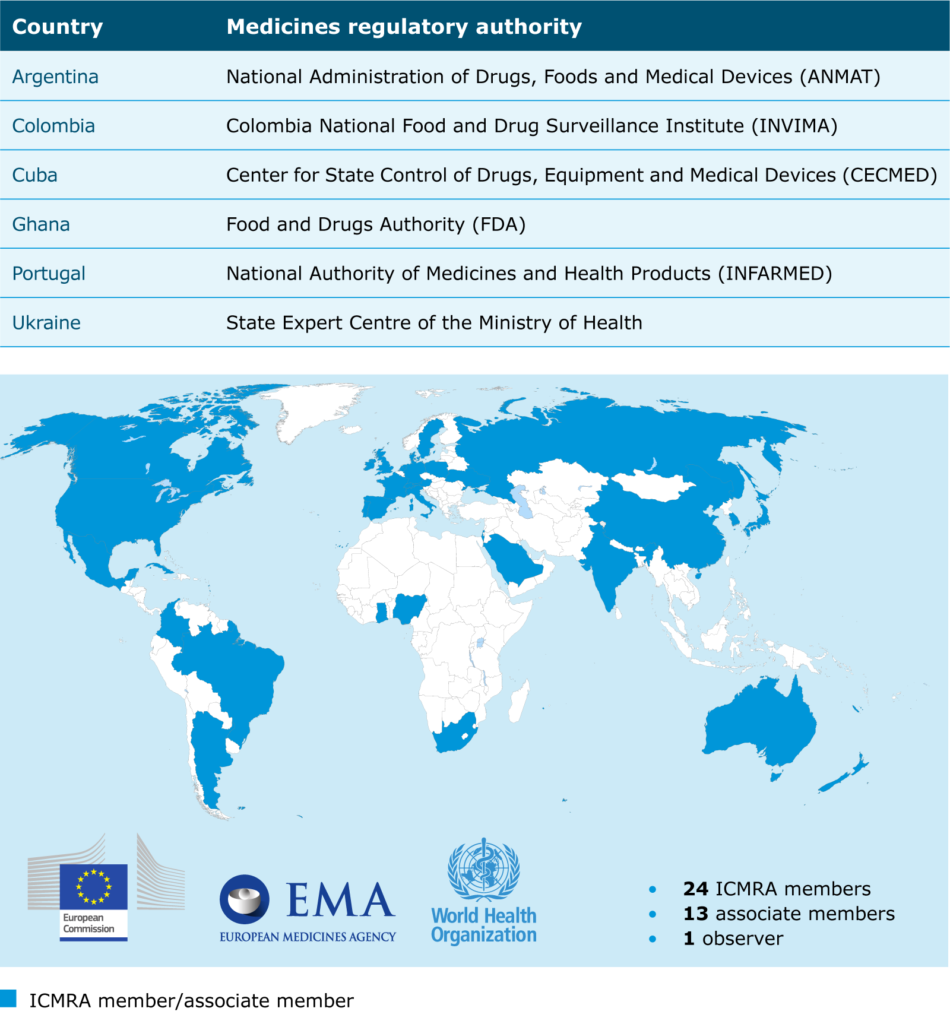
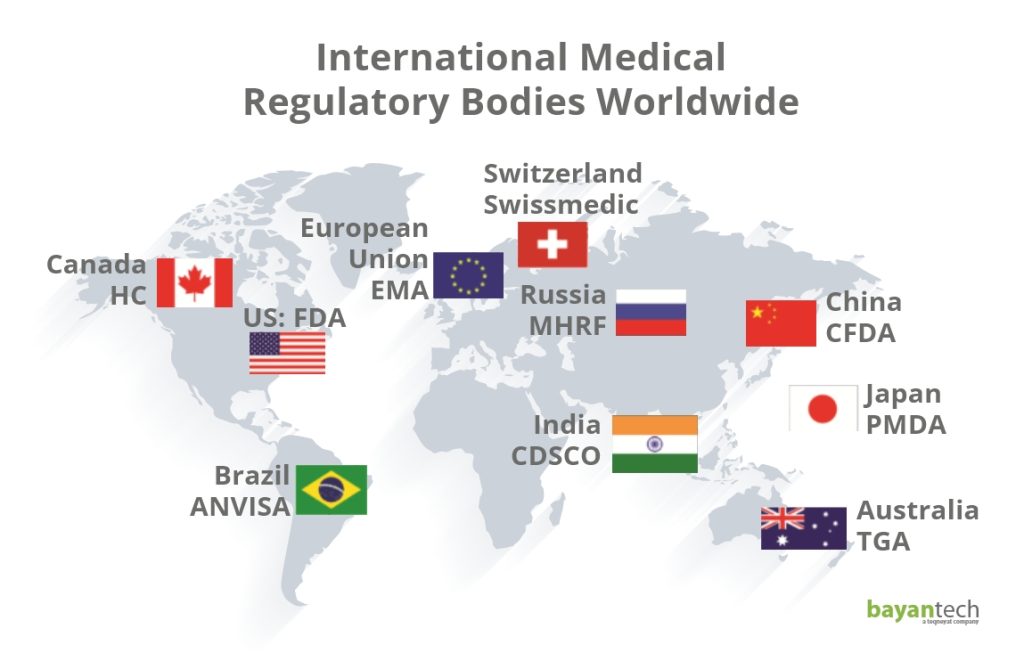
National medicine agencies — such as the U.S. Food and Drug Administration, the UK’s MHRA, or Japan’s PMDA — set classification rules based on clinical evidence, adverse event reporting, and public health data. Many of these agencies also coordinate internationally.
For a broader look at how governments define which drugs are considered essential and safe for public access, the World Health Organization’s Essential Medicines list is a useful reference point — it shows the baseline medicines the WHO considers necessary for a functioning health system, which many national regulators use as a starting framework.
In Europe specifically, regulators coordinate through shared reviews and published guidance. You can browse recently published regulatory updates from the Heads of Medicines Agencies (HMA), the network that connects European national medicines authorities and helps align decisions across member states.
Key Regulatory Bodies Shaping Cough Medicine Availability and Safety Regulations Across Countries
| Region | Primary Regulator(s) | Typical Cough Medicine Classification Approach |
|---|---|---|
| United States | FDA, state pharmacy boards | OTC for most formulas; codeine products prescription-only in most states |
| United Kingdom | MHRA | Codeine linctus restricted to pharmacist sale for adults; not for under-18s |
| European Union | National agencies + HMA coordination | Varies by country; many align on codeine restrictions for minors |
| Australia | Therapeutic Goods Administration (TGA) | OTC with pharmacist monitoring for pseudoephedrine-based products |
| Japan | PMDA | Strict codeine control; many formulas require prescription |
| India | Central Drugs Standard Control Organisation (CDSCO) | Codeine cough syrups tightly controlled following misuse concerns |
Cough Medicine Availability and Safety Regulations Across 20 Countries: Region-by-Region Breakdown
Below is a snapshot of how 20 countries currently classify common cough medicines. Rules change frequently, so always confirm with a local pharmacist or embassy health advisory before traveling with medication.
North America
- United States – Most dextromethorphan (DXM) and guaifenesin products are OTC; several states restrict DXM sales to minors. Codeine-containing cough syrup requires a prescription in nearly every state.
- Canada – Low-dose codeine cough syrups remain available behind the pharmacy counter in most provinces, though several provinces have moved toward prescription-only status.
- Mexico – Codeine cough formulas generally require a prescription; many non-codeine expectorants are sold OTC in pharmacies (farmacias).
Europe
- United Kingdom – Codeine linctus is pharmacist-supervised and cannot legally be sold to anyone under 18; higher-strength formulas need a prescription.
- Germany – Many cough preparations, including low-dose codeine syrups, remain available in pharmacies without a prescription, though pharmacists must counsel patients on safe use.
- France – Codeine-based cough syrups moved to prescription-only status in 2017 after misuse concerns; non-opioid formulas remain OTC.
- Russia – Codeine-containing medicines are prescription-only nationwide, part of a broader tightening of controlled-substance access.
Asia-Pacific
- Japan – Codeine-based cough medicine is tightly restricted, and many formulas require a prescription even at low doses.
- China – Codeine cough syrup is a controlled pharmaceutical; OTC sales are limited, and pharmacies must record buyer information.
- India – Following documented misuse cases, codeine-based cough syrups are subject to state-level prescription rules and sales restrictions.
- South Korea – Non-narcotic cough remedies are widely available OTC; codeine formulas require a prescription.
- Indonesia – Cough syrup regulation tightened significantly after 2022 contamination incidents; the national agency (BPOM) now enforces stricter manufacturing and sales oversight.
- Australia – Codeine-containing cough and cold medicines became prescription-only nationwide in 2018, a major shift from previous pharmacist-only access.
- New Zealand – Similar to Australia, codeine cough formulas require a prescription; non-codeine options are OTC.
Middle East & Africa
- United Arab Emirates – Codeine-based cough syrups are tightly controlled and generally require a prescription, with strict import documentation for travelers carrying medication.
- Saudi Arabia – Cough medicines containing controlled substances require a prescription; travelers must declare prescription medicines at customs.
- South Africa – Codeine-containing cough mixtures remain available as pharmacist-only (Schedule 2) medicines in many cases, without needing a full prescription.
- Nigeria – Regulatory tightening followed public health concerns about codeine cough syrup misuse; NAFDAC has increased enforcement on manufacturing and distribution.
- Kenya – Cough medicines containing codeine are controlled and require prescription oversight under the Pharmacy and Poisons Board.
Latin America
- Brazil – Codeine-based cough medicines require a special “yellow prescription,” part of Brazil’s controlled-substance tracking system (ANVISA).
Codeine, Opioids, and Other Restricted Ingredients: A Core Part of Cough Medicine Availability and Safety Regulations Across Countries
Codeine is the single biggest driver of variation in global rules. Because it’s a mild opioid, it carries dependency and misuse risk, which is why so many of the countries above have moved codeine-based cough syrups from OTC to pharmacist-only or fully prescription status over the past decade.
Dextromethorphan (DXM), while not an opioid, has also drawn regulatory attention in several countries due to reports of high-dose misuse, particularly among teenagers. This has led some jurisdictions — including several U.S. states — to add age restrictions on DXM sales even though the ingredient itself remains OTC nationally.
Pediatric Cough Medicine Rules and Cough Medicine Availability and Safety Regulations Across Countries for Children
Nearly every country in this guide has separate rules for children, and this is one of the most consistent global trends:
- The UK, Australia, and New Zealand prohibit codeine cough syrup for anyone under 18.
- The U.S. FDA recommends against OTC cough and cold medicine for children under 4, and many manufacturers voluntarily label products “not for children under 6.”
- The World Health Organization’s essential medicines guidance also informs how several lower-income countries structure pediatric dosing and access rules — see the WHO Essential Medicines fact sheet for the global framework many regulators reference.
Over-the-Counter vs Prescription-Only: How This Shapes Cough Medicine Availability and Safety Regulations Across Countries
The OTC-versus-prescription line is the clearest lens for comparing countries. Broadly:
- OTC-friendly countries (e.g., Germany, South Korea, South Africa for pharmacist-only tiers) prioritize convenient symptom relief while relying on pharmacist counseling as the safety check.
- Prescription-first countries (e.g., Australia, New Zealand, Japan, France, Russia) prioritize centralized medical oversight, often after a documented misuse event prompted the policy shift.
- Hybrid systems (e.g., UK, Canada) keep low-dose formulas pharmacist-accessible while pushing higher-strength or pediatric formulas toward prescription-only status.
Understanding which tier a country uses helps explain why the same brand-name cough syrup might be sold freely in one airport pharmacy and completely unavailable without paperwork in the next.
Tips for Travelers Navigating Cough Medicine Availability and Safety Regulations Across Countries
- Carry medicines in original packaging with the prescription label visible, especially for codeine-based products.
- Check customs rules before departure — countries like the UAE and Saudi Arabia have strict controlled-substance import documentation requirements.
- Bring a doctor’s letter for any prescription cough medicine, particularly opioid-containing formulas.
- Research OTC equivalents at your destination in case your usual medicine isn’t available without a local prescription.
- Ask a pharmacist on arrival rather than assuming your home country’s classification applies — pharmacist-only and OTC definitions vary by jurisdiction.
Why Understanding Cough Medicine Availability and Safety Regulations Across Countries Matters for Public Health
Beyond individual travel convenience, these rules reflect a larger public health story. Tighter codeine controls in Australia, France, and Nigeria followed real evidence of misuse and harm. Looser OTC access in countries like Germany reflects confidence in pharmacist-level counseling as an effective safeguard. Comparing these approaches gives researchers, policymakers, and healthcare providers a clearer picture of which strategies reduce harm without unnecessarily restricting access to basic symptom relief. For readers who want to go deeper into related medication-safety topics, see our guide to over-the-counter medicine safety basics for additional context on how OTC classification systems work more broadly.
Frequently Asked Questions About Cough Medicine Availability and Safety Regulations Across Countries
Is codeine cough syrup legal everywhere? No. Codeine-containing cough syrup is prescription-only in many countries, including Australia, New Zealand, France, Russia, and Japan, while it remains pharmacist-accessible without a full prescription in countries like Germany and South Africa. This is one of the clearest examples of how cough medicine availability and safety regulations across countries diverge, so always check local rules before assuming availability.
Can I bring cough medicine through airport security and customs? Generally yes for personal-use quantities, but codeine-based and other controlled cough medicines often require a prescription or doctor’s letter, especially when traveling to countries with strict controlled-substance import laws such as the UAE or Saudi Arabia. Keeping medicine in its original labeled packaging helps avoid delays.
Why did some countries make codeine cough syrup prescription-only? Most shifted toward prescription-only status after documented cases of misuse or dependency, particularly among teenagers. Australia’s 2018 nationwide change and France’s 2017 restriction are two well-documented examples of this global trend in cough medicine availability and safety regulations across countries.
What’s the difference between OTC and pharmacist-only cough medicine? OTC medicines can be purchased without any pharmacist involvement, often even outside a pharmacy. Pharmacist-only (sometimes called “behind-the-counter”) medicines require a pharmacist to hand over the product and often to log the sale or ask screening questions, without needing a doctor’s prescription.
Are cough medicine rules different for children in most countries? Yes. Nearly all 20 countries covered in this guide restrict codeine-based cough syrup for minors, and several — including the U.S. — advise against giving any OTC cough and cold medicine to very young children. Always check age-specific labeling.
Where can I find official information on essential and regulated medicines? The WHO Essential Medicines fact sheet outlines the global framework for medicines considered essential to public health, while regional bodies like the Heads of Medicines Agencies (HMA) publish country-specific regulatory updates for Europe.
Conclusion
Cough medicine availability and safety regulations across countries will keep evolving as new safety data emerges and as governments respond to misuse trends. The clearest pattern across all 20 countries in this guide is that codeine-based formulas are steadily moving toward tighter control, while non-opioid options remain widely accessible. Whether you’re a traveler, caregiver, or healthcare professional, checking current local rules — rather than assuming your home country’s classification applies everywhere — is the safest approach.