

Grabbing the wrong bottle off the pharmacy shelf is one of the most common (and most avoidable) cold-and-flu mistakes adults make. The best cough syrup for dry cough vs chesty cough adults is never a single product — it depends entirely on whether your cough is dry and tickly or wet and full of mucus.
Quick answer: If your cough is dry, tickly, and produces no mucus, look for a suppressant (antitussive) syrup containing dextromethorphan. If your cough is chesty, wet, or brings up mucus, look for an expectorant syrup containing guaifenesin, which loosens and thins mucus so you can cough it up more easily. Taking a suppressant for a chesty cough can actually trap mucus in your lungs, which is why matching the syrup to the symptom matters so much.

Below, we break down exactly how to tell your cough type apart, which ingredients actually work for each one, and how to avoid the single biggest mistake adults make when they self-treat a cough.
Dry Cough or Chesty Cough? Why It Matters Before You Buy
Before you can find the best cough syrup for dry cough vs chesty cough adults, you need a quick, honest read on your own symptoms. Coughs aren’t one condition — they’re a reflex, and different triggers call for different treatments.
What a Dry Cough Feels Like
A dry cough is often described as tickly, scratchy, or hacking. It doesn’t bring up mucus or phlegm. It’s commonly triggered by:
- Viral throat irritation (colds, flu, COVID-19)
- Postnasal drip
- Acid reflux
- Dry or smoky air
- Certain medications (like ACE inhibitors)
What a Chesty (Productive) Cough Feels Like
A chesty cough — also called a productive cough — feels heavier, sounds “wetter,” and brings up mucus or phlegm from the lungs and airways. It’s usually linked to:
- Bronchitis
- Chest infections
- The later stage of a cold, after congestion has settled into the chest
- Smoking-related irritation
Knowing which category you fall into is the entire foundation of choosing the best cough syrup for dry cough vs chesty cough adults, because the two syrup types work in opposite ways.
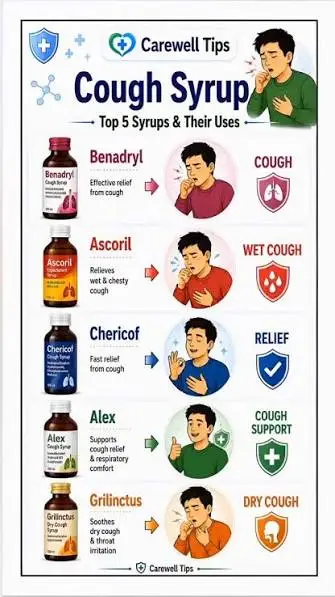
Best Cough Syrup for Dry Cough vs Chesty Cough Adults: The Ingredients That Actually Matter
Reading the active ingredient panel — not the brand name or the packaging color — is how pharmacists themselves choose the best cough syrup for dry cough vs chesty cough adults. There are two main categories, and they do almost opposite jobs.
Best Cough Syrup for Dry Cough Adults: Suppressants (Antitussives)
For a dry, non-productive cough, you want a cough suppressant, also called an antitussive. These work by calming the cough reflex in the brain, which is exactly what you want when there’s no mucus to clear anyway — the coughing itself is just irritating your throat further.
- Key ingredient: Dextromethorphan (often shown as “DM” on the label)
- Best used: At night, or when a cough is disrupting sleep or talking
- Avoid if: You have a wet, mucus-producing cough, since suppressing it can trap phlegm in the airways
Best Cough Syrup for Chesty Cough Adults: Expectorants
For a wet, chesty cough, the goal is the opposite of suppression — you want to help your body clear mucus faster and more comfortably, not stop the cough entirely.
- Key ingredient: Guaifenesin
- Best used: During the day, alongside plenty of water (guaifenesin works far better when you’re well hydrated)
- Look for: Combination formulas if congestion and chest tightness are both present
This ingredient-first approach is the real answer to “what’s the best cough syrup for dry cough vs chesty cough adults” — the mechanism has to match the symptom, not just the marketing on the box.
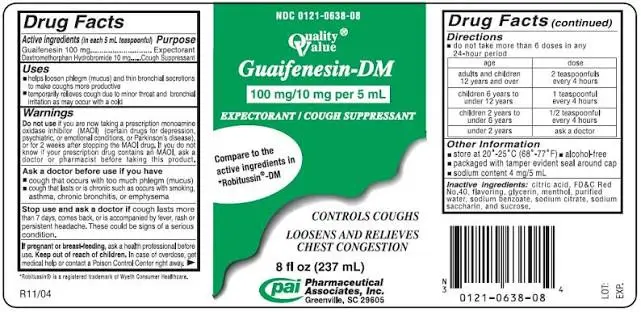
Best Cough Syrup for Dry Cough vs Chesty Cough Adults: Side-by-Side Comparison
| Dry Cough Syrup | Chesty Cough Syrup | |
|---|---|---|
| Cough type | Tickly, no mucus | Wet, mucus-producing |
| Main ingredient | Dextromethorphan (suppressant) | Guaifenesin (expectorant) |
| How it works | Quiets the cough reflex | Thins and loosens mucus |
| Best time to take | Evening / before bed | Daytime, with fluids |
| Avoid if | You have a chesty, productive cough | You have a dry, non-productive cough |
| Common combo add-ons | Antihistamine (for allergy-related dry cough) | Decongestant (for chest + sinus congestion) |
Quick Answer: Best Cough Syrup for Dry Cough vs Chesty Cough Adults
If you only remember one rule, remember this: dry cough = suppressant, chesty cough = expectorant. Mixing the two up is the single most common reason a cough syrup “doesn’t work” — it’s often not the wrong brand, it’s the wrong mechanism for the cough you actually have.
Some multi-symptom formulas combine both a suppressant and an expectorant. These can help when a cough shifts from dry to chesty over the course of an illness (which is common with colds), but for a single, clearly defined symptom, a targeted single-ingredient product is usually the more effective, and cheaper, choice.
How to Choose the Best Cough Syrup for Dry Cough vs Chesty Cough Adults Based on Your Exact Symptoms
Use this simple self-check before you shop, so you’re not guessing in the aisle.
You Likely Need a Dry Cough Syrup If:
- Your cough sounds harsh, tight, or barking
- Nothing comes up when you cough
- Your throat feels raw or tickly
- The cough gets worse at night and disrupts sleep
You Likely Need a Chesty Cough Syrup If:
- You can feel or hear mucus rattling in your chest
- Coughing brings up phlegm (clear, yellow, or green)
- Your chest feels congested or heavy
- Coughing actually brings some relief afterward
If you’re still unsure, a combination product or speaking to a pharmacist is a safer starting point than guessing — pharmacists are trained specifically to help match the best cough syrup for dry cough vs chesty cough adults, and it costs nothing to ask before you buy.

Safety First: When a Syrup Isn’t Enough
Even the best cough syrup for dry cough vs chesty cough adults is a symptom manager, not a cure. See a doctor if you experience:
- A cough lasting longer than 3 weeks
- Fever above 38.5°C (101.3°F) that doesn’t improve
- Coughing up blood or thick, discolored mucus that worsens
- Shortness of breath, wheezing, or chest pain
- A cough in someone with asthma, COPD, or heart disease that suddenly worsens
These can be signs of something that needs medical treatment beyond an over-the-counter syrup, no matter how well-matched the product is to your cough type.
A Note on Dextromethorphan Safety
Because dextromethorphan is a centrally-acting cough suppressant, it should always be taken at the labeled adult dose. Products from the best-selling cold and flu range also list clear maximum daily amounts precisely because taking more than directed does not clear a cough faster — it only raises the risk of side effects. Independent clinical research has also looked at non-drug and herbal approaches to persistent coughing; a systematic review and meta-analysis on herbal remedies for chronic cough found that a small number of herbal preparations performed meaningfully better than placebo, which is worth knowing if you’d rather pair (not replace) your syrup with a doctor-approved herbal option (source: PubMed systematic review).
Always stick to one cough-relief product at a time — combining multiple syrups is a common way adults accidentally double up on the same active ingredient.
FAQs: Best Cough Syrup for Dry Cough vs Chesty Cough Adults
What is the best cough syrup for dry cough vs chesty cough adults if I don’t know which type I have?
Start by checking whether anything comes up when you cough. If nothing does, treat it as a dry cough and choose a dextromethorphan-based suppressant. If mucus comes up, treat it as a chesty cough and choose a guaifenesin-based expectorant. When in doubt, a combination formula or a quick chat with a pharmacist is the safest way to match the best cough syrup for dry cough vs chesty cough adults to your situation.
Can I take a dry cough syrup for a chesty cough by mistake?
You can, but it’s not ideal. Suppressing a chesty cough can trap mucus in the airways instead of helping you clear it, which may prolong congestion or, in some cases, worsen chest discomfort. It’s not usually dangerous as a one-off dose, but it works against what your body is trying to do.
How long does it take cough syrup to work?
Most dextromethorphan suppressants start easing a dry cough within 15–30 minutes. Guaifenesin expectorants work more gradually, often needing a day or two of consistent use (with plenty of water) to noticeably loosen mucus.best cough syrup for dry cough vs chesty cough adults
Is it safe to take cough syrup every night for a dry cough?
Short-term nightly use for a few days is generally considered safe at the labeled adult dose. If you’re still needing it nightly after a week to ten days, that’s a signal to check in with a doctor rather than continuing to self-treat.
What’s the difference between an expectorant and a suppressant?
An expectorant (guaifenesin) thins and loosens mucus so it’s easier to cough up — it’s for chesty, productive coughs. A suppressant (dextromethorphan) reduces the urge to cough altogether — it’s for dry, non-productive coughs. This distinction is the whole basis of choosing the best cough syrup for dry cough vs chesty cough adults correctly.
Can adults take children’s cough syrup instead?
Adults should use adult-dosed formulas. Children’s syrups are dosed for lower body weight, and using them means either under-dosing (so it doesn’t work) or needing an impractically large volume to match an effective adult dose.
The Bottom Line
Choosing the best cough syrup for dry cough vs chesty cough adults comes down to one simple question: does your cough bring anything up, or not? Match a suppressant to a dry cough, an expectorant to a wet one, give it a few days at the correct dose, and see a doctor if things aren’t improving. That one check, done before you reach for a bottle, is what actually separates an effective purchase from a wasted one.