
Table of Contents
- Why Learning How to Use Over-the-Counter Syrups Safely Matters
- Common Mistakes That Get in the Way of Using OTC Syrups Safely
- Mistake 1: Ignoring the Dosing Instructions
- Mistake 2: Combining Multiple Syrups With Overlapping Ingredients
- Mistake 3: Using Adult Syrups for Children
- Mistake 4: Skipping the Measuring Device
- Mistake 5: Not Checking Expiration Dates
- Mistake 6: Ignoring Drug Interactions
- Mistake 7: Storing Syrups Incorrectly
- A Step-by-Step Guide: How to Use Over-the-Counter Syrups Safely
- How to Use Over-the-Counter Syrups Safely for Children
- Case Study: A Real-World Look at OTC Syrup Misuse
- What the Community Says: Reader Tips on Using Syrups Safely
- Find Help Near You: Poison Control and Pharmacy Locator
- Related Reading
- FAQs: How to Use Over-the-Counter Syrups Safely
- Final Thoughts on How to Use Over-the-Counter Syrups Safely
Reaching for a bottle of cough syrup or a children’s fever reducer feels routine — until a dosing error, a bad drug combination, or an expired bottle turns a simple remedy into a trip to urgent care. Every year, thousands of avoidable medication incidents happen at home, and most of them trace back to a handful of repeated habits. This guide walks through the most common mistakes and explains how to use over-the-counter syrups safely, so you can treat coughs, colds, allergies, and fevers with confidence instead of guesswork.
Whether you’re a parent measuring out a dose at 2 a.m. or someone managing a household medicine cabinet, understanding how to use over-the-counter syrups safely protects you from side effects, accidental overdoses, and wasted medication.
Why Learning How to Use Over-the-Counter Syrups Safely Matters
Over-the-counter (OTC) syrups are easy to buy and easy to misuse. Because they don’t require a prescription, many people assume they’re automatically low-risk. In reality, active ingredients like acetaminophen, dextromethorphan, and diphenhydramine appear in dozens of overlapping products, and taking two syrups at once can quietly push someone past a safe daily limit. As background reference, cold medicine is generally designed to relieve symptoms of upper-respiratory infections rather than cure them — which is exactly why understanding how to use over-the-counter syrups safely matters more than most people realize, since relief-only products are easy to overuse when symptoms don’t improve as fast as expected.
Common Mistakes That Get in the Way of Using OTC Syrups Safely
Below are the mistakes clinicians and pharmacists report seeing most often, along with what to do instead.
Mistake 1: Ignoring the Dosing Instructions
The single biggest error is skipping the label and estimating a dose “by feel.” Dosing on OTC syrups is usually based on age and body weight, not guesswork. Taking more than directed doesn’t work faster — it simply raises the risk of side effects like nausea, drowsiness, or liver strain in the case of acetaminophen-based products. Reading the dosing chart before the first spoonful is the simplest possible lesson in how to use over-the-counter syrups safely.
Mistake 2: Combining Multiple Syrups With Overlapping Ingredients
Many people take a daytime cold syrup and a nighttime flu syrup without checking the active ingredient list. If both products contain the same painkiller or antihistamine, the combined dose can exceed the recommended daily maximum. This is one of the most preventable mistakes once you understand how to use over-the-counter syrups safely.
Mistake 3: Using Adult Syrups for Children
Children are not simply “small adults.” Adult syrups are formulated at strengths that can be dangerous for a child’s body weight and developing organs. Pediatric-specific syrups exist for a reason, and swapping in an adult formula — even in a smaller amount — is a common and risky shortcut.
Mistake 4: Skipping the Measuring Device
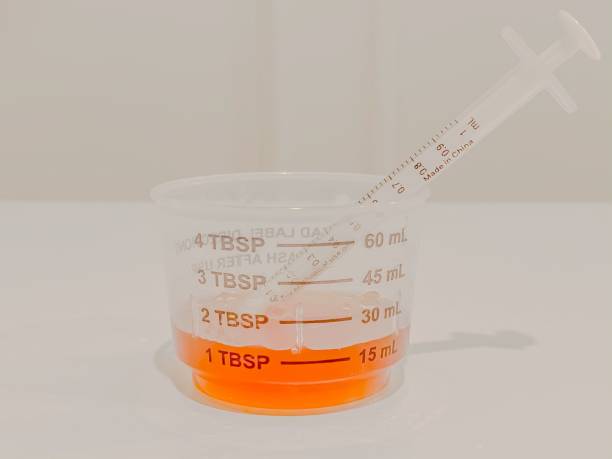
Kitchen spoons vary wildly in size. Using one instead of the dosing cup or oral syringe that came with the syrup is a leading cause of accidental overdosing, especially in children.
Mistake 5: Not Checking Expiration Dates
Expired syrups can lose potency or, in some cases, change chemically in ways that make them less safe. A quick date check before use takes seconds and prevents both wasted doses and unwanted reactions.
Mistake 6: Ignoring Drug Interactions
Some syrups interact with prescription medications, alcohol, or even certain foods. Skipping this check is a mistake that people with chronic conditions or multiple prescriptions should be especially careful about.
Mistake 7: Storing Syrups Incorrectly
Heat, humidity, and direct sunlight can degrade a syrup’s active ingredients long before the printed expiration date. Bathroom medicine cabinets — despite the name — are often the worst place to store them because of humidity from showers.
A Step-by-Step Guide: How to Use Over-the-Counter Syrups Safely
Once you know the common pitfalls, the process of using these products correctly is straightforward. Here’s a practical walkthrough of how to use over-the-counter syrups safely from the moment you buy the bottle to the moment you finish the course.
Step 1: Read the Label Fully
Check the active ingredient, the recommended dose for your age or weight group, the maximum doses per day, and any warnings about interactions.
Step 2: Use the Correct Measuring Tool
Only use the cup, syringe, or dropper included with the product. If it’s missing, ask a pharmacist for a replacement rather than substituting a kitchen spoon.
Step 3: Check for Duplicate Ingredients
Before combining any two products, compare their “active ingredients” sections. This single habit is central to how to use over-the-counter syrups safely when treating multiple symptoms at once.
Step 4: Time Your Doses
Space doses according to label instructions — usually every 4 to 6 hours — and avoid “catching up” with a double dose if one is missed.
Step 5: Know When to Call a Doctor
If symptoms persist beyond the timeframe listed on the label, or if you notice unusual side effects, stop and speak with a healthcare provider or pharmacist rather than continuing to self-treat.
How to Use Over-the-Counter Syrups Safely for Children
Children require extra care because dosing errors have a narrower margin of safety. Key rules include:
- Always use age- and weight-based dosing charts, not “half the adult dose.”
- Never use adult formulations diluted or halved.
- Store syrups out of reach and out of sight — child-resistant caps are not childproof.
- Confirm your child isn’t already taking another product with the same active ingredient.
Following these steps is one of the clearest examples of how to use over-the-counter syrups safely in a household with young kids.

Case Study: A Real-World Look at OTC Syrup Misuse
A community health clinic reviewing a year of pediatric emergency visits found that a notable share of accidental medication incidents in children under six involved liquid OTC products — most commonly cough and fever syrups. The leading causes were nearly identical across cases: doses measured with household spoons, two products with the same active ingredient given within hours of each other, and bottles stored within a toddler’s reach on a low shelf. After the clinic began sending home a simple one-page dosing chart with every visit, staff reported a meaningful drop in repeat incidents over the following year. The takeaway mirrors what pharmacists say constantly: most syrup-related harm isn’t caused by the medicine itself, but by a handful of preventable habits.
What the Community Says: Reader Tips on Using Syrups Safely
We asked readers and caregivers to share the habits that help them the most. Here’s a snapshot of the community’s top submitted tips:
“I keep a printed list taped inside the medicine cabinet showing every active ingredient in the products we own. It takes two seconds to check before I combine anything.” — submitted by a reader and parent of two
“I set a phone alarm for dosing times instead of relying on memory. It stopped us from accidentally doubling up on my son’s cough syrup.” — submitted by a reader
“Our pharmacist recommended asking for a fresh dosing syringe every time, since the ones that come in the box get lost. It’s a small habit that removed all the guesswork.” — submitted by a reader
If you have a tip that’s worked for your household, share it in the comments — the most helpful reader submissions may be featured in future updates to this guide.
Find Help Near You: Poison Control and Pharmacy Locator
Mistakes happen even with the best precautions. If you suspect an incorrect dose has been given, having quick access to local help matters. Many websites let you embed an interactive map here showing the nearest pharmacy, urgent care clinic, or poison control center based on the reader’s location — for example, an embedded Google Maps widget filtered to “24-hour pharmacy” or “poison control center near me.” If you’re building this page on WordPress, a map plugin (such as a Google Maps embed block) can be dropped directly into this section so readers can search their location without leaving the page.
Related Reading
To go deeper on related medicine-safety topics, see our full guide: How to Read and Understand Medication Labels — a companion resource that expands on ingredient-checking and dosing charts referenced throughout this article.
For general background on how these products are formulated and classified, Wikipedia’s overview of cold medicine is a useful external reference point.
FAQs: How to Use Over-the-Counter Syrups Safely
1. What is the safest way to measure a dose of OTC syrup? Always use the dosing cup, oral syringe, or dropper that comes with the product. Kitchen teaspoons and tablespoons vary in size and are not accurate enough for medication dosing.
2. Can I give my child an adult cough syrup in a smaller amount? No. Adult formulas are concentrated differently and may contain ingredients not recommended for children. Always use a pediatric-specific product and follow the weight-based dosing chart.
3. Is it safe to take two different cold and flu syrups together? Only if you’ve confirmed they don’t share the same active ingredient. Many combination products contain overlapping painkillers or antihistamines, and doubling up can exceed the safe daily limit.
4. How do I know if a syrup has expired or gone bad? Check the printed expiration date, and look for changes in color, smell, or consistency. If anything looks or smells different from usual, don’t use it — even if the date hasn’t passed.
5. What should I do if I accidentally give too much syrup? Contact your local poison control center or a healthcare provider immediately, and have the product packaging on hand so you can share the exact ingredients and concentration.
6. Where is the best place to store OTC syrups at home? A cool, dry place away from direct sunlight and out of children’s reach is ideal — a bedroom closet or a high kitchen cabinet is usually better than a humid bathroom cabinet.
7. How long can I safely keep taking an OTC syrup before seeing a doctor? Most labels recommend stopping and consulting a doctor if symptoms last longer than the timeframe listed on the package, typically around 7 days for cold and cough symptoms.
Final Thoughts on How to Use Over-the-Counter Syrups Safely
Most syrup-related mishaps aren’t caused by the medicine itself — they come from small, repeatable habits: skipping the label, guessing at doses, or storing bottles somewhere convenient rather than somewhere safe. Once you build the habit of checking ingredients, using the correct measuring tool, and watching for overlap between products, how to use over-the-counter syrups safely stops being a guessing game and becomes second nature for your whole household.