

Why Mix Codeine Syrup With Painkillers? The Fast-Relief Myth — And the Real Danger Behind It
Every day, thousands of people ask: why mix codeine syrup with painkillers? The short answer is a dangerous myth — the belief that combining two medications delivers faster, stronger pain relief. In reality, the practice dramatically increases the risk of overdose, organ failure, and death. This authoritative guide breaks down the science, the misconceptions, and the life-saving facts you need to know.
What Is Codeine Syrup and How Does It Work?
Codeine is an opioid analgesic used to treat mild to moderate pain and suppress coughing. Available as tablets and syrups, it is one of the most widely dispensed opioids globally. Once ingested, the body converts codeine into morphine via the liver enzyme CYP2D6 — and this metabolised morphine is what actually produces pain relief.
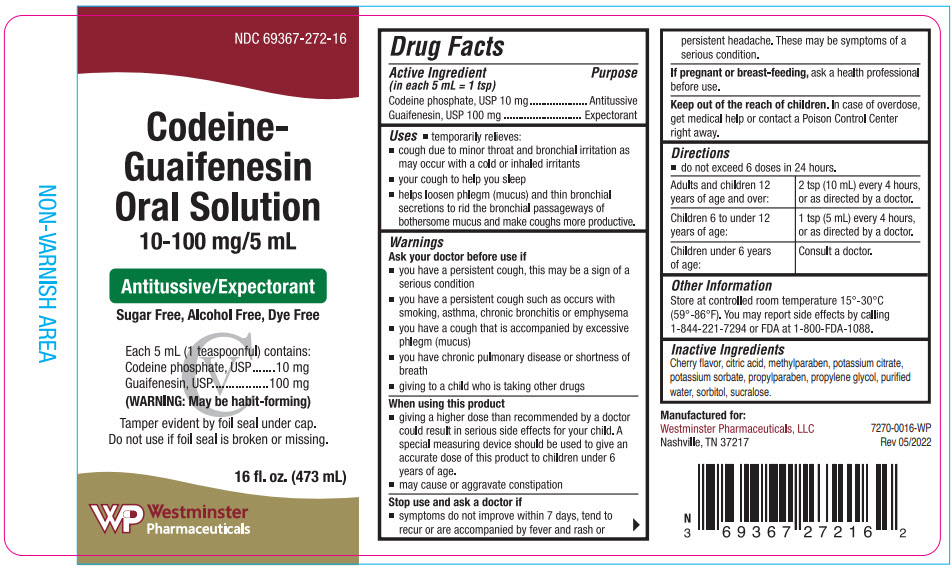
According to the NIH National Library of Medicine (StatPearls), codeine is an agonist at three classic opioid receptors (mu, delta, and kappa), with a particularly high affinity for the mu receptor — 20 times greater than for delta. This is what gives it both its therapeutic value and its potential for dangerous misuse.
2%of substance abuse centre admissions involve codeine dependence
1–2%of people are ultra-rapid metabolisers at extreme overdose risk
20×higher affinity for the mu-opioid receptor vs delta receptor
4g/daythe maximum safe acetaminophen dose — easily exceeded when mixing
Codeine is often formulated in combination with other analgesics such as acetaminophen (paracetamol) or ibuprofen. These pharmaceutical combinations are carefully dosed by medical professionals. The danger arises when individuals take additional over-the-counter (OTC) painkillers on top of these formulations — a form of unsupervised polypharmacy that has caused countless preventable deaths.
ℹ️
Medical Context
Codeine is classified as a Schedule II controlled substance in its pure form in many countries. Even in lower-dose OTC formulations, it carries addiction warnings. Many nations have tightened access to codeine products due to rising misuse.why mix codeine syrup with painkillers
Why Do People Mix Codeine Syrup With Painkillers?
To understand why mix codeine syrup with painkillers is such a common question, we must look at the behavioural, psychological, and social factors driving this practice. The motivations are rarely malicious — most people simply believe they are being pragmatic about managing their pain more effectively.
The Core Belief: More Medication = More Relief
The most prevalent reason people mix codeine syrup with painkillers is the intuitive but medically incorrect belief that combining two different types of pain medication will be twice as effective — or at least faster-acting. This logic may seem reasonable to a person in pain, but pharmacology does not work this way.
Different painkillers work through completely separate mechanisms. Codeine acts on the central nervous system (CNS) opioid receptors. Ibuprofen inhibits prostaglandin synthesis via COX enzymes. Acetaminophen modulates pain perception through a different pathway altogether. Combining them does not produce synergistic speed — it produces compounded risk.why mix codeine syrup with painkillers
Social and Cultural Normalisation
Another reason people mix codeine syrup with painkillers is cultural normalisation. The recreational use of codeine syrup — popularised as “lean,” “purple drank,” or “sizzurp” in music and media — has desensitised many people to its potency. When something is depicted as casual or glamorous, its dangers become invisible.
Accessibility and Lack of Education
Codeine is available over the counter in low-dose formulations in many countries. This accessibility creates a false sense of safety. When people can purchase a medication freely, they often assume it must be safe to use freely — including alongside other medicines. This assumption is what leads so many to mix codeine syrup with painkillers without professional guidance.
⚠️
Misconception Alert
The widespread belief that “prescription drugs are safer than street drugs” is a documented risk factor for codeine misuse. OTC availability does not mean unrestricted safe use. Mixing medications without supervision is never safe, regardless of where you obtained them.
Self-Medicating Chronic Pain
People who struggle with chronic pain and have limited access to healthcare may turn to why mix codeine syrup with painkillers as a practical coping strategy. When prescribed medications seem insufficient, adding OTC painkillers feels like a logical next step. Without professional guidance, however, this escalation can quickly become dangerous — and eventually, physically dependent.
The Fast-Relief Myth — Debunked by Science
The central question — why mix codeine syrup with painkillers — is almost always rooted in the expectation of faster relief. This section dismantles that expectation with pharmacological facts.

How Codeine Actually Reaches Your Pain Receptors
When you swallow codeine syrup, it is absorbed through the gastrointestinal tract and must travel to the liver. There, the CYP2D6 enzyme converts it into morphine. Only then does the morphine enter the bloodstream and bind to opioid receptors in the brain and spinal cord to relieve pain. This metabolic process takes time — typically 30 to 60 minutes — and cannot be accelerated simply by taking a second medication alongside it.
❌ The Myth
“If I mix codeine syrup with painkillers like ibuprofen, the pain will go away faster.”
✅ The Fact
Adding a second painkiller does not speed up codeine’s metabolism. It only adds new, overlapping risks — including organ toxicity and respiratory depression.
❌ The Myth
“Two pain medications cancel out different types of pain, so mixing is smart.”
✅ The Fact
While different mechanisms exist, unsupervised combination dramatically increases toxicity risk. Only a doctor can safely determine if a combination is appropriate for your pain type.
❌ The Myth
“Codeine syrup is mild, so adding a painkiller tablet won’t hurt.”
✅ The Fact
Codeine syrup already often contains acetaminophen or promethazine. Adding another acetaminophen-containing tablet can push you past the 4g/day toxic threshold — causing fatal liver failure.why mix codeine syrup with painkillers
Why the myth persists despite the evidence
Placebo effect, confirmation bias, and coincidental timing all contribute. If someone takes two medications and pain subsides within an hour, they credit the combination — not realising the relief was simply the normal onset time of either medication alone. This reinforces the false belief that why mix codeine syrup with painkillers is a valid strategy.
The Real Risks of Mixing Codeine Syrup With Painkillers
When people mix codeine syrup with painkillers, they expose themselves to multiple, overlapping dangers. These are not theoretical — they are documented in peer-reviewed medical literature and emergency room data worldwide.
1. Respiratory Depression — The Deadliest Risk
Codeine is a CNS depressant. It slows your breathing rate. When you mix codeine syrup with painkillers that also have sedative or depressant properties — such as alcohol, benzodiazepines, or other opioids — the combined effect can suppress breathing to the point of respiratory arrest. This is the most common mechanism behind fatal opioid overdoses.

🚨
Life-Threatening Warning
A large proportion of fatal opioid overdoses involve a combination of drugs — not codeine alone. Mixing codeine with alcohol, benzodiazepines (Valium, Xanax), or sleep aids greatly multiplies the risk of respiratory arrest and death.why mix codeine syrup with painkillers
2. Liver Toxicity From Acetaminophen Overdose
Many codeine syrups and tablets already contain acetaminophen (paracetamol). Many OTC painkillers also contain acetaminophen. When people mix codeine syrup with painkillers without reading labels carefully, they can easily exceed the maximum safe daily limit of 4,000mg — a dose that causes acute liver failure. In severe cases, this is fatal without emergency liver transplantation.
3. Kidney Damage From NSAID Overload
If someone mixes codeine syrup with painkillers containing NSAIDs like ibuprofen or naproxen, they face the risk of nephrotoxicity — kidney damage caused by excess NSAID exposure. Long-term or high-dose NSAID use combined with codeine-containing products has been linked to serious kidney conditions, including acute kidney injury and chronic kidney disease.
4. Gastrointestinal Bleeding
NSAIDs inhibit prostaglandins that protect the stomach lining. Combined with the constipation and reduced gut motility caused by opioids like codeine, the result can be severe gastrointestinal bleeding, ulcers, and haemorrhage.why mix codeine syrup with painkillers
5. Dangerous Drug Tolerance and Addiction Escalation
Every time someone mixes codeine syrup with painkillers to try to amplify or accelerate relief, they are reinforcing a behavioural pattern that accelerates tolerance. The brain rapidly adapts to higher opioid loads — requiring more and more of the drug to achieve the same effect. This cycle is the entry point to opioid use disorder.
| Painkiller Combined | Primary Danger | Severity | Notes |
|---|---|---|---|
| Acetaminophen (Paracetamol) | Liver toxicity / acute liver failure | Very High | Already present in many codeine formulations — easy to double-dose |
| Ibuprofen (NSAID) | Kidney damage, GI bleeding | High | Medically supervised combinations exist, but unsupervised use is dangerous |
| Aspirin | GI bleeding, coagulation disorders | High | May increase bleeding risk and metabolic acidosis |
| Alcohol | Respiratory depression, CNS suppression | Extremely High | Should never be combined with any opioid or CNS depressant |
| Benzodiazepines (Valium, Xanax) | Respiratory arrest, death | Extremely High | One of the most lethal drug combinations; frequent cause of overdose deaths |
| Other Opioids | Additive opioid toxicity | Extremely High | Polyopioid use is never safe without strict medical supervision |
| Antidepressants (SSRIs/SNRIs) | Serotonin syndrome | Moderate–High | Restlessness, fever, rapid heart rate; potentially life-threatening |
Specific Drug Combinations: What Happens When You Mix Codeine Syrup With Painkillers
Why Mix Codeine Syrup With Painkillers Like Ibuprofen?
Many people ask why mix codeine syrup with painkillers such as ibuprofen — often because they feel one drug isn’t enough. While pharmaceutical companies do produce carefully dosed codeine-ibuprofen combinations, these are formulated by experts with specific dose ratios. Self-combining codeine syrup with ibuprofen tablets bypasses all of these safety controls, creating unpredictable and dangerous dosing.
Why Mix Codeine Syrup With Painkillers Containing Acetaminophen?
This is perhaps the most common and most dangerous unsupervised combination. The reason people mix codeine syrup with painkillers like paracetamol or Tylenol is simple unawareness — they do not realise the codeine syrup already contains acetaminophen. Exceeding the 4g/day acetaminophen threshold can result in acute liver failure within 72 hours.
According to our guide on acetaminophen overdose risks, the danger is particularly insidious because liver toxicity often has no symptoms in the first 24 hours — by the time the person feels ill, the damage may already be severe.why mix codeine syrup with painkillers
The “Lean” or Purple Drank Combination
One of the most documented reasons people mix codeine syrup with painkillers or other substances is to create “lean” — codeine cough syrup mixed with soda and sometimes antihistamines like promethazine. The promethazine in many codeine formulations amplifies sedation and euphoria, making it even more dangerous. This combination has been directly linked to multiple deaths among young adults and adolescents.
☠️
Purple Drank Is Not Safe — It Has Killed People
“Lean,” “purple drank,” and “sizzurp” are street terms for mixing codeine syrup with soft drinks and candy. The dose of codeine in these mixtures is completely uncontrolled. Combined with the promethazine in many codeine cough syrups, this combination can cause fatal respiratory arrest — even for first-time users who believe it is mild.why mix codeine syrup with painkillers
Signs of a Codeine Overdose — What to Watch For
Knowing the signs of overdose is critical — especially if you or someone you know has been mixing codeine syrup with painkillers. Codeine overdose is a medical emergency that requires immediate action.
😮💨
Slow or stopped breathing
Fewer than 12 breaths per minute, or no breathing at all — the most dangerous sign.
🫦
Blue lips or fingertips (cyanosis)
Indicates dangerously low oxygen levels in the blood.
👁️
Pinpoint pupils
Very small, constricted pupils even in dim light are a classic opioid overdose sign.
💤
Unconsciousness
Cannot be woken up; unresponsive to voice or physical stimulation.
🌡️
Cold, clammy skin
Cool, pale, or grey skin — a sign of circulatory failure.
🔊
Gurgling or choking sounds
Sometimes called the “death rattle” — indicates airway obstruction.
🚨 Emergency — Call for Help Immediately
911 (or your local emergency number)
If you suspect a codeine overdose, call emergency services immediately. Administer naloxone (Narcan) if available. Do not leave the person alone. Place them in the recovery position if unconscious and breathing.why mix codeine syrup with painkillers
Who Is Most at Risk When They Mix Codeine Syrup With Painkillers?
While mixing codeine syrup with painkillers is dangerous for everyone, certain groups face significantly elevated risks. Understanding these vulnerabilities can help clinicians, pharmacists, and families intervene before tragedy occurs.
Ultra-Rapid CYP2D6 Metabolisers
Approximately 1–2% of the population — more common among people of North African and Middle Eastern descent — are ultra-rapid metabolisers who convert codeine to morphine far faster than average. For these individuals, even standard doses produce dangerously high morphine levels. When they also mix codeine syrup with painkillers, the risk multiplies severely.
People With Liver or Kidney Disease
Since codeine is metabolised by the liver and many combined painkillers stress the kidneys, anyone with pre-existing liver or kidney conditions should never mix codeine syrup with painkillers without specialist supervision.why mix codeine syrup with painkillers
Older Adults
Older adults often take multiple medications for chronic conditions. Adding codeine syrup to an existing medication regimen significantly raises the risk of dangerous drug interactions. Polypharmacy in older adults is a leading cause of hospitalisation.
People With a History of Substance Use Disorder
For individuals with past or current addiction issues, the risk of why mix codeine syrup with painkillers becoming a gateway to opioid dependency is extremely high. Opioid tolerance and reward-seeking behaviour make escalation rapid and dangerous.
Children and Adolescents
Codeine is contraindicated in children under 12 for most uses and is especially dangerous following tonsillectomy. Even accidental ingestion of a single dose can be fatal. Adolescents who experiment with lean or purple drank often have no idea of the lethal potential.
Safer Alternatives — What to Do Instead of Mixing Codeine Syrup With Painkillers
The good news: effective pain relief does not require you to mix codeine syrup with painkillers. There are safe, evidence-based alternatives that address pain without the life-threatening risks.
Step 1: Use One Medication at the Right Dose
In most cases of mild to moderate pain, a single appropriately dosed medication — whether acetaminophen, ibuprofen, or a prescribed codeine product — is sufficient. Taking more of the right single drug is always safer than combining multiple drugs inappropriately.
Step 2: Talk to a Pharmacist or Doctor First
Before combining any medications, consult a pharmacist. They can review your full medication list and advise on safe combinations — or identify non-pharmacological alternatives. This is the single most impactful step you can take to protect yourself from the risks associated with mixing medications.why mix codeine syrup with painkillers
✅
Safe Pain Management Tips
Always read labels for active ingredients before combining any medications. Never assume two products are safe to combine without checking. Use the lowest effective dose for the shortest necessary duration. Keep all prescriptions in one pharmacy so your pharmacist can flag interactions.
Step 3: Explore Non-Drug Pain Relief
Many types of pain respond well to non-pharmacological interventions, including:
- Heat and cold therapy — reduces inflammation and muscle spasm
- Physical therapy — addresses root causes of musculoskeletal pain
- TENS therapy — electrical nerve stimulation for localised pain
- Mindfulness-based pain management — particularly effective for chronic pain
- Acupuncture — evidence-supported for some pain types
- Adequate rest and hydration — often overlooked but highly effective
Step 4: If Codeine Is Prescribed, Follow Instructions Exactly
If a doctor has prescribed codeine, take it exactly as directed. Do not increase the dose, combine it with other medications without approval, or take it for longer than prescribed. If you feel the dose is insufficient, return to your prescriber — do not self-escalate by adding OTC painkillers.
💊
Need Help With Codeine Dependence?
If you or a loved one has developed a dependence on codeine or has been mixing codeine syrup with painkillers to manage pain, help is available. Speak to a healthcare professional about medically supervised tapering, addiction treatment programmes, and non-opioid pain management strategies. You are not alone.
Frequently Asked Questions (FAQ)
why mix codeine syrup with painkillers
The following questions represent what people most commonly search for when researching why mix codeine syrup with painkillers. These answers are medically grounded and written for clarity. Why do people mix codeine syrup with painkillers in the first place? ▼
People mix codeine syrup with painkillers primarily because they believe that combining two different pain medications will produce faster or stronger relief. This is a dangerous myth rooted in the intuitive — but medically incorrect — logic that more medication equals more effectiveness.
Codeine is an opioid that works on the central nervous system via morphine conversion, while OTC painkillers like ibuprofen and acetaminophen work through entirely different pathways. Combining them does not safely double the pain relief. Instead, it significantly raises the risk of overdose, liver damage, gastrointestinal bleeding, respiratory depression, and even death.
Cultural factors, media portrayals of recreational codeine use, and easy OTC access to codeine products in some countries also contribute to the behaviour. Is it safe to mix codeine syrup with ibuprofen? ▼
Medically supervised combinations of low-dose codeine with ibuprofen exist in specific prescription formulations. However, self-medicating by combining codeine syrup with ibuprofen without a doctor’s guidance is not safe. Ibuprofen increases the risk of gastrointestinal bleeding, ulcers, and kidney damage — particularly in higher doses or with extended use.
Adding codeine compounds the sedation risk and can mask pain signals that indicate serious injury. You should never self-administer this combination. Always consult a pharmacist or physician before combining any medications. What happens if you mix codeine with acetaminophen (paracetamol)? ▼
Combining codeine with acetaminophen is especially risky because acetaminophen in high doses causes severe liver toxicity and failure. Many people unknowingly double up on acetaminophen because it is present in many OTC cold, cough, and pain medications — as well as in codeine syrups themselves.why mix codeine syrup with painkillers
The maximum safe daily acetaminophen dose is 4,000mg (4g) — and this threshold is easily exceeded when combining products. Exceeding it can lead to acute liver failure, a life-threatening condition requiring emergency medical care. Early symptoms are often absent, which means the damage may be advanced by the time it is detected. Can mixing codeine with painkillers cause death? ▼
Yes. Mixing codeine syrup with painkillers — especially CNS depressants like alcohol, benzodiazepines, or other opioids — can absolutely cause death. Codeine depresses the respiratory system, and adding other substances compounds this effect. The result can be respiratory arrest — where breathing completely stops — leading to coma, brain damage, or death.why mix codeine syrup with painkillers
A large proportion of opioid-related overdose fatalities involve multiple substances taken together, not a single drug alone. This is why toxicology reports from overdose deaths so frequently reveal combinations of substances. Does mixing codeine syrup with painkillers actually relieve pain faster? ▼
No — this is the most common and most dangerous myth. Mixing codeine syrup with painkillers does not speed up pain relief. Codeine must first be metabolised by the liver into morphine before it provides any analgesic effect. This process takes between 30 and 60 minutes, regardless of what you combine it with.
Adding another painkiller alongside codeine does not accelerate this hepatic conversion. What it does do is dramatically increase the risk of dangerous side effects, organ toxicity, and overdose. Any apparent faster relief is most likely the result of placebo effect or the independent onset of the second medication’s effects — not a combined synergy. What are the signs of a codeine overdose I should watch for? ▼
Signs of a codeine overdose include: extremely slow, shallow, or stopped breathing; blue or grey lips, fingernails, or skin (cyanosis); very small, constricted “pinpoint” pupils; unresponsiveness or inability to wake the person; gurgling or choking sounds; cold, clammy skin; and loss of muscle tone.why mix codeine syrup with painkillers
If you observe any of these signs, call emergency services (911 or your local emergency number) immediately. Administer naloxone (Narcan) if available and trained to do so. Place the person in the recovery position if unconscious but breathing. Do not leave them alone under any circumstances. What are safer alternatives to mixing codeine syrup with painkillers? ▼
Effective pain management does not require mixing medications. Safer options include: taking a single appropriate medication at the correct dose and interval; consulting a pharmacist or doctor about the most effective option for your specific type of pain; using non-pharmacological methods such as heat/cold therapy, physical therapy, TENS, or rest; and for chronic pain, exploring specialist pain management clinics.
If you feel your current pain medication is not providing sufficient relief, return to your prescriber rather than self-escalating by adding additional drugs. A physician can safely adjust your treatment plan without introducing the risks associated with unsupervised combinations. Is codeine syrup addictive? ▼
Yes — codeine is highly addictive. As an opioid, it activates the brain’s mu-opioid receptors, triggering the release of dopamine and creating feelings of relaxation and, in higher doses, euphoria. This reward response builds both physical dependence (where the body requires the drug to function normally) and psychological dependence (where the person believes they need it to cope).
Tolerance develops rapidly, meaning increasing doses are required to achieve the same effect. Codeine dependence accounts for approximately 2% of all admissions to substance abuse treatment centres. When combined with other painkillers to enhance or prolong the effect, this tolerance escalation accelerates significantly. What is “lean” or “purple drank” and why is it so dangerous? ▼
Lean (also called purple drank, sizzurp, or Texas tea) is a recreational drug mixture made by combining prescription-grade codeine cough syrup with soft drinks, and sometimes hard candy or alcohol. It is a well-documented example of why people mix codeine syrup with painkillers and other substances in an attempt to enhance its effects.why mix codeine syrup with painkillers
It is extremely dangerous because the codeine dose in the mixture is completely uncontrolled and can vary dramatically. Codeine cough syrups often contain promethazine — an antihistamine that amplifies CNS depression — making the combination even more lethal. Lean has been linked to multiple deaths, including among young people who believed it was a casual or “safe” recreational drug. There is no safe recreational dose of codeine syrup mixed with other substances. Who is most at risk from mixing codeine syrup with painkillers? ▼
Several groups face heightened risks when codeine is combined with other medications: ultra-rapid CYP2D6 metabolisers (1–2% of the population, more common in North African and Middle Eastern populations) who produce dangerously high morphine levels from standard doses; people with liver or kidney disease; older adults on multiple medications; individuals with breathing disorders such as asthma or sleep apnoea; people with a personal or family history of substance use disorder; those taking CNS depressants such as benzodiazepines, alcohol, or sedatives; and children, for whom even accidental ingestion of a single adult dose can be fatal.
Medical Sources & References
- Preuss CV, et al. Codeine. StatPearls [Internet]. Treasure Island (FL): StatPearls Publishing; 2024. Available from: https://www.ncbi.nlm.nih.gov/books/NBK526029/
- Canada.ca Health Canada. Codeine: Uses, effects and risks. Government of Canada, 2024.
- FRANK UK. Codeine: Effects, risks, and advice. Talk to FRANK, 2025.
- MedlinePlus. Acetaminophen and Codeine. U.S. National Library of Medicine, 2026.
- DailyMed. Acetaminophen and Codeine Tablet label. U.S. National Institutes of Health, 2025.
- Corrigan M, et al. A comparative analysis of pharmacists’ perspectives on codeine use and misuse. Int J Drug Policy. 2018; PMC5870064.
- The Conversation. Codeine: why one person’s painkiller can be another person’s problem. April 2026.
Your Safety Matters — Always Ask Before Combining Medications
The answer to why mix codeine syrup with painkillers is simple: there is no safe, evidence-based reason to do so without direct medical supervision. If you are in pain, speak to a healthcare professional. If you or someone you know is struggling with codeine dependence, reach out to an addiction specialist — effective, compassionate help exists.