

Quick answer: The placebo effect in cough is large for both drug classes, but it plays a bigger relative role in trials of centrally acting cough suppressants (like codeine and dextromethorphan), where dummy pills often perform almost as well as the real drug. Peripherally acting cough suppressants (like levodropropizine or benzonatate), which numb or calm airway nerve endings directly, tend to show a somewhat clearer — though still modest — separation from placebo, especially in cough caused by lower-airway irritation rather than a simple cold.
If you’ve ever taken cough syrup and felt better within minutes — faster than any drug could plausibly act — you’ve experienced this firsthand. Understanding the placebo effect in cough helps explain why so many over-the-counter cough remedies “work,” why researchers struggle to prove real drug efficacy, and why your doctor may recommend one type of suppressant over another for a specific kind of cough.
What Is the Placebo Effect in Cough?
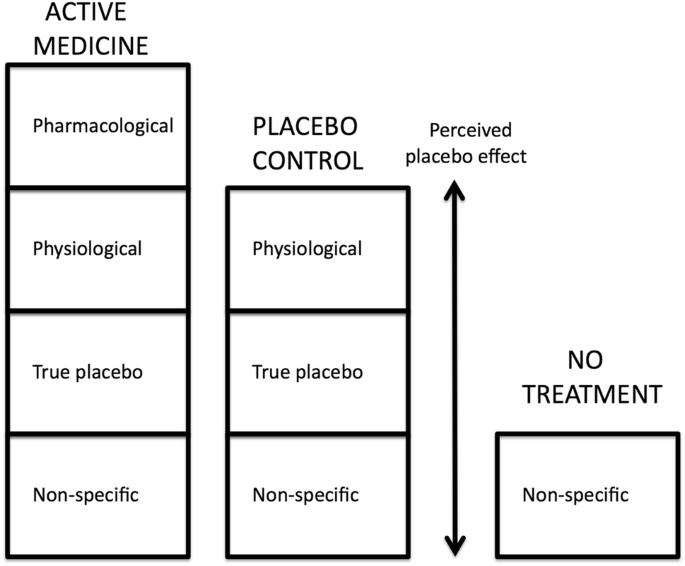
The placebo effect in cough refers to a measurable improvement in coughing — fewer episodes, less severity, or a reduced urge to cough — after taking a treatment that contains no active antitussive ingredient. In clinical trials, this is typically a sugar syrup, an inert lozenge, or a capsule with no pharmacological effect on the cough reflex.
What makes the placebo effect in cough especially notable to researchers is its size. In many double-blind, placebo-controlled cough studies, the dummy treatment reduces cough frequency or severity by a wide margin — sometimes nearly as much as the drug being tested. This isn’t a fluke of one or two poorly designed trials; it’s a pattern that shows up again and again across decades of antitussive research, which is part of why the U.S. FDA and other regulators have repeatedly questioned whether certain over-the-counter cough medicines outperform placebo at all.
Why Cough Is Especially Prone to a Placebo Response
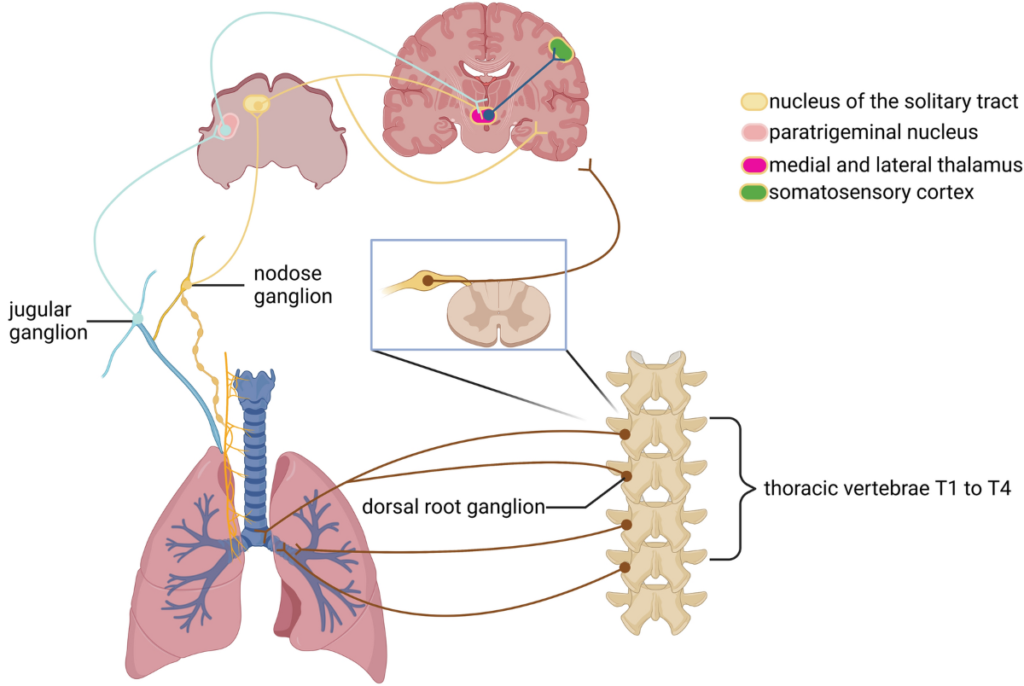
Cough sits in an unusual position in human physiology: it’s mostly an involuntary brainstem reflex, but it can also be consciously suppressed or triggered. That dual control is central to understanding the placebo effect in cough.
A few factors make cough unusually placebo-responsive:
- Voluntary override. Unlike a knee-jerk reflex, people can consciously hold back a cough for a period of time. Believing a treatment is working can strengthen that voluntary control.
- Expectation and conditioning. Sweet, soothing syrups have been associated with symptom relief since childhood, priming a learned response.
- Local soothing sensations. A cooling or numbing sensation from menthol, honey, or a lozenge can feel therapeutic even when it has no direct effect on the underlying cough reflex arc.
- Natural symptom variability. Acute cough from an upper respiratory infection often improves on its own within days, and any treatment taken during that window can appear more effective than it really is.
- Subjective outcome measures. Many trials rely on patient-reported cough severity scores rather than objective cough counts, and self-reports are more susceptible to expectation effects.
Together, these mechanisms explain why the placebo effect in cough is considered one of the largest placebo responses documented in symptomatic medicine — often rivaling or exceeding the effect sizes seen for pain or nausea.
Centrally Acting Cough Suppressants and the Placebo Effect in Cough
Centrally acting antitussives — most notably codeine and dextromethorphan — work by raising the cough threshold in the brainstem’s “cough center,” rather than acting on the airway itself. Because they act on a part of the nervous system that also governs conscious perception and expectation, they sit in close neural territory to the very mechanisms that drive a placebo response.
This overlap may help explain a striking pattern in the research: multiple double-blind, placebo-controlled trials have found that standard doses of codeine do not clearly outperform placebo for acute cough. In these studies, the placebo effect in cough was large enough that the “active” ingredient failed to show a statistically meaningful advantage. Dextromethorphan has fared somewhat better in some trials, but its results are inconsistent, and its exact mechanism of action is still debated.
In short: for centrally acting suppressants, the placebo effect in cough is not just present — it is frequently large enough to blur the line between “drug effect” and “expectation effect,” which is a major reason clinical guidelines have become more cautious about recommending codeine-based products for routine cough.
Peripherally Acting Cough Suppressants and the Placebo Effect in Cough
Peripherally acting antitussives — such as levodropropizine, benzonatate, and demulcents like honey or throat lozenges — act closer to the source of the irritation. They calm the sensory nerve endings (including C-fibers) in the larynx, trachea, and bronchi, rather than working through the brain’s cough-processing centers.
The placebo effect in cough is still present in trials of these agents — it doesn’t disappear just because a drug acts peripherally. However, several randomized trials of levodropropizine, for example, have reported a clearer separation between drug and placebo than is typically seen with codeine, particularly in patients with chronic cough linked to lower-airway conditions. One proposed explanation is that a genuine, localized reduction in nerve-ending sensitivity produces effects that are harder for expectation alone to fully replicate — although the placebo response in these trials is still substantial.
Peripherally acting agents also tend to cause less sedation than opioid-based centrally acting drugs, which matters when researchers try to keep a trial truly “blinded.” If patients can tell from side effects whether they got the real drug, that awareness itself can shrink the reliability of any placebo comparison.
Side-by-Side Comparison
| Feature | Centrally Acting Suppressants (e.g., codeine, dextromethorphan) | Peripherally Acting Suppressants (e.g., levodropropizine, benzonatate) |
|---|---|---|
| Site of action | Brainstem cough center | Airway sensory nerve endings |
| Typical placebo effect in cough trials | Large; often close to active-drug effect | Present, but sometimes more clearly separated from drug effect |
| Sedation risk | Higher (especially opioids) | Lower |
| Best evidence base | Weak-to-mixed for acute cough | Somewhat stronger for chronic/lower-airway cough |
| Blinding reliability in trials | Harder — sedation can “unblind” patients | Easier — fewer distinguishing side effects |
Why This Matters for Patients and Clinicians
Understanding the placebo effect in cough isn’t just academic. It has real consequences:
- For patients: Many over-the-counter cough remedies may feel effective largely because of expectation, soothing sensation, and the natural course of illness — not necessarily because of a strong pharmacological effect. That doesn’t mean they’re useless; a genuine, reliable symptom improvement still matters, even if part of it is placebo-driven.
- For clinicians: When counseling patients, doctors can set honest expectations about which suppressants have solid trial evidence versus which mainly benefit from a strong placebo effect in cough, particularly for short-lived, self-resolving coughs from colds.
- For researchers: Because the placebo effect in cough is so pronounced, cough trials require larger sample sizes, objective measures (like ambulatory cough monitors), and careful blinding to detect a true drug effect.
Key Takeaways
- The placebo effect in cough is one of the largest documented placebo responses in symptomatic medicine.
- Centrally acting suppressants (codeine, dextromethorphan) show a particularly strong placebo response, sometimes matching the active drug in trials.
- Peripherally acting suppressants (levodropropizine, benzonatate) still show a placebo response, but some trials report a clearer drug-versus-placebo separation.
- A treatment “working” doesn’t always mean it beat a strong placebo effect in cough — checking the underlying evidence matters.
- Objective cough monitoring and careful trial blinding are essential tools for separating a real drug effect from expectation.
Reader Questions
This section is reserved for real reader-submitted questions and experiences — publish this article live and invite comments below to build genuine, first-hand discussion around the placebo effect in cough. A couple of starter prompts you can use to invite engagement:
- “Have you noticed cough syrup working faster than seems physiologically possible? Share your experience in the comments.”
- “Which cough suppressant has worked best for you — and do you think it was the drug or the ritual of taking it?”
Frequently Asked Questions
Is the placebo effect in cough just “in your head”?
No. The placebo effect in cough produces real, measurable changes — including a genuine reduction in coughing frequency — because cough is partly under conscious neurological control. It’s not imaginary; it’s a real physiological response triggered by expectation, conditioning, and the brain’s own regulation of the cough reflex.
Why do cough medicines seem to work so quickly, even before the drug could act?
This is a classic sign of the placebo effect in cough. Sweet, soothing syrups can trigger rapid symptom relief through conditioning and local throat sensation, well before any active ingredient could realistically reach the bloodstream or brain.
Does the placebo effect in cough fade over repeated use?
Some placebo responses can diminish with repetition as expectations adjust, but cough studies generally measure short-term trials, so long-term data on this specific pattern is limited. What’s consistent is that the placebo response reappears strongly in nearly every new cough trial, regardless of drug class.
Are peripherally acting cough suppressants “more real” than centrally acting ones?
Not exactly — both classes are affected by the placebo effect in cough. What differs is the size of the gap between placebo and active drug in clinical trials, which tends to be somewhat larger and more consistent for some peripherally acting agents like levodropropizine, particularly in chronic cough.
Should I stop taking cough medicine if some of its benefit is placebo?
Not necessarily. If a cough suppressant provides real symptom relief for you with no adverse effects, that benefit is still meaningful — even if part of it stems from expectation. Talk to a pharmacist or doctor about which option best fits your specific type of cough and any underlying condition.
How do researchers separate a real drug effect from the placebo effect in cough?
Well-designed trials use double-blinding, objective ambulatory cough monitors (rather than relying only on patient-reported severity), larger sample sizes, and comparison against an inert placebo arm to isolate the true pharmacological effect from expectation-driven improvement.
Related Reading
- Understanding How the Cough Reflex Works — an internal deep-dive from our clinical library on the neurology of coughing (replace this placeholder with the actual URL of your related article before publishing)
- Placebo effect — Wikipedia — a general overview of placebo mechanisms and history, for readers who want broader background beyond cough-specific research
Sources & Further Reading
- Cough Suppressant and Pharmacologic Protussive Therapy: ACCP Evidence-Based Clinical Practice Guidelines — CHEST
- Current and future centrally acting antitussives — Pulmonary Pharmacology & Therapeutics
- Current and future peripherally-acting antitussives — Pulmonary Pharmacology & Therapeutics
- Levodropropizine for treating cough in adults and children: a meta-analysis — Multidisciplinary Respiratory Medicine
- Central Mechanisms IV: Conscious Control of Cough and the Placebo Effect — Handbook of Experimental Pharmacology