Table of Contents
- Understanding Chest Muscle Twitching Symptoms
- Possible Causes of Chest Muscle Twitching
- How to Distinguish Between Muscle Twitch and Heart Rhythm Issues
- Managing Chest Muscle Twitching Naturally
- When to Seek Medical Help
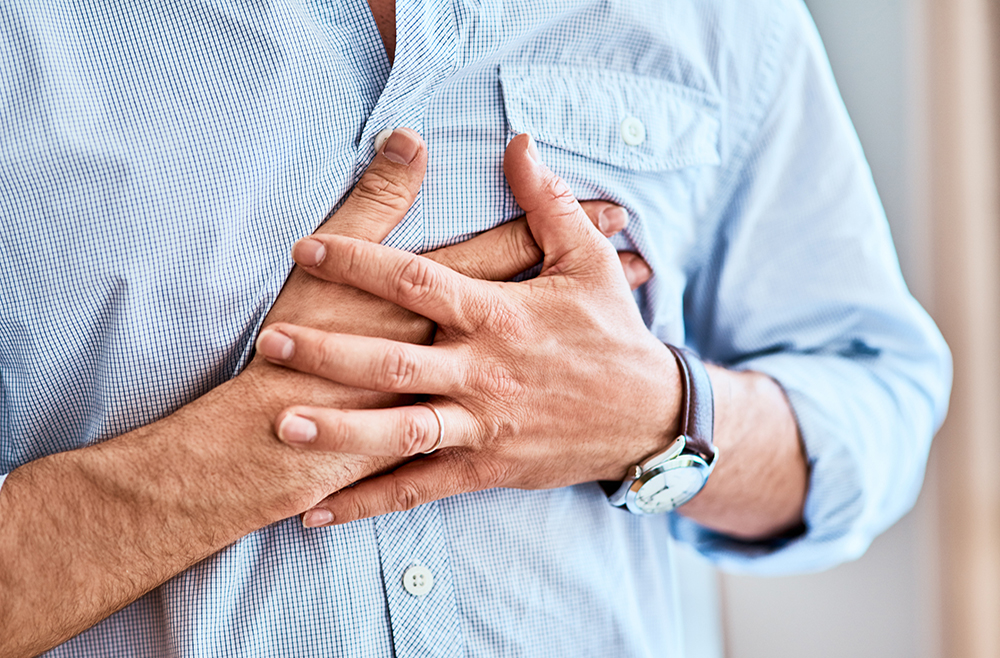
Chest muscle twitching symptoms?Micro chest spasms or fluttering under the ribs often happen because of muscle twitching or nerve irritation. In most cases, it’s not linked to heart disease. These spasms may come from fatigue, stress, dehydration, or overuse of chest muscles. However, sometimes a heart rhythm problem can cause similar sensations. It’s essential to know the difference. If the fluttering feels deep or irregular, it might be heart-related. To learn more about natural supplements that may support muscle recovery, visit our product collection.
Understanding Chest Muscle Twitching Symptoms
Chest muscle twitching symptoms can range from mild fluttering to visible muscle contractions. The chest muscles can twitch for several reasons—such as electrolyte imbalance, anxiety, or excessive caffeine. These tiny spasms usually resolve on their own within a few days. Drinking enough water, resting, and maintaining a balanced diet can help ease the discomfort. If twitching occurs often or feels painful, it may be a sign of fatigue or nerve irritation rather than a serious issue.
Possible Causes of Chest Muscle Twitching
Several factors can trigger chest spasms. Common causes include stress, physical overexertion, poor posture, or lack of magnesium. Anxiety can also increase muscle tension, causing twitching under the ribs. People who spend long hours sitting may notice spasms from chest wall strain. In rare cases, muscle twitching can resemble heart fluttering. That’s why recognizing chest muscle twitching symptoms early helps reduce worry and prevent confusion with cardiac issues.
If you ever experience tightness, pain, or dizziness with fluttering, it could relate to a coronary spasm. You can read more about that condition from this trusted medical source — Cleveland Clinic: Coronary Spasm.
How to Distinguish Between Muscle Twitch and Heart Rhythm Issues
Chest spasms from muscles usually appear on one side and feel like small flickers. They don’t cause shortness of breath or pressure. In contrast, heart rhythm changes often feel deeper and come with chest tightness or rapid heartbeat. Paying attention to timing helps: muscle twitches occur randomly and often stop with rest, while heart rhythm issues may persist or worsen with exertion. Tracking your symptoms can help your doctor identify the cause faster.
Managing Chest Muscle Twitching Naturally
To ease chest muscle twitching symptoms, start with simple lifestyle adjustments. Stay hydrated, stretch regularly, and manage stress through breathing exercises. Reducing caffeine and alcohol also lowers the risk of spasms. Sleep plays a key role in muscle recovery, so aim for consistent rest. Over-the-counter magnesium or potassium supplements may help, but talk to your doctor before using them.
If symptoms last more than a week or feel unusual, seek medical advice. Your doctor can rule out nerve or heart-related problems through exams or scans.
When to Seek Medical Help
Although most chest twitches are harmless, certain signs require attention. If you experience chest pain, pressure, or irregular heartbeats, call a healthcare provider immediately. Also, get checked if twitching comes with fatigue or muscle weakness. Remember, prevention starts with awareness—knowing your body’s signals and responding early reduces health risks.