
Table of Contents
Makatussin Comp is a prescription cough medicine that is primarily used to relieve dry, irritating, or non-productive coughs. The exact formulation can vary depending on the country where it is sold, so it’s important to check the packaging or product information for your specific version.
In many European countries, Makatussin Comp contains:
- Codeine – an opioid cough suppressant (antitussive) that reduces the urge to cough by acting on the brain’s cough center.
- Additional ingredients – some formulations may include expectorants, antihistamines, or other substances to help relieve cough symptoms.
Can Makatussin Comp help you sleep better at night?
Makatussin Comp is a prescription cough syrup that has been marketed in Switzerland for decades. It is used primarily to treat dry, irritating coughs. The product is currently authorized in Switzerland, with Gebro Pharma AG as the marketing authorization holder.
Country of origin/Can Makatussin Comp help you sleep better at night?
The medicine is generally regarded as Swiss because it was developed, approved, and marketed in Switzerland. It has been available there since 1976.
What is Makatussin Comp made from?

The current Swiss formulation contains two main active ingredients:
- Dihydrocodeine hydrochloride (10 mg) – an opioid cough suppressant that reduces the urge to cough.
- Diphenhydramine hydrochloride (15 mg) – an antihistamine that helps relieve cough symptoms and may cause drowsiness.
The syrup also contains inactive ingredients such as:
- Citric acid
- Sucrose (sugar)
- Sorbitol
- Flavorings
- Purified water
- Sodium benzoate (preservative)
- Other excipients used to stabilize and flavor the medicine.
How is Makatussin Comp manufactured?
Like other pharmaceutical syrups, it is produced under Good Manufacturing Practice (GMP) standards. Although the exact proprietary manufacturing process is not publicly disclosed, the general steps are:
- The active pharmaceutical ingredients (dihydrocodeine hydrochloride and diphenhydramine hydrochloride) are manufactured under pharmaceutical quality standards.
- The ingredients are dissolved and blended with purified water and a syrup base containing sugar or sweeteners.
- Preservatives, flavorings, and stabilizers are added.
- The mixture is filtered to ensure consistency and purity.
- The syrup is filled into sterile bottles, sealed, labeled, and tested for quality before release.
The precise manufacturing sites and every production step are not publicly disclosed by the manufacturer, and medicine production may involve facilities in multiple countries even when the finished product is sold as Swiss
The currently marketed Makatussin Comp. cough syrup is available in one strength, rather than multiple dosage strengths. The formulation is standardized as follows:
| Ingredient | Amount |
|---|---|
| Dihydrocodeine hydrochloride | 10 mg per 5 mL |
| Diphenhydramine hydrochloride | 15 mg per 5 mL |
The syrup is supplied in an 80 mL bottle.
Amounts in the entire 80 mL bottle
Since the bottle contains sixteen 5 mL doses:
- Dihydrocodeine hydrochloride: 160 mg per bottle
- Diphenhydramine hydrochloride: 240 mg per bottle
Available pack size
- 80 mL bottle (currently marketed in Switzerland).
If you were asking about older versions of Makatussin Comp, there was previously an alcohol-containing formulation, but it had the same active ingredient strength (10 mg dihydrocodeine + 15 mg diphenhydramine per 5 mL) and is no longer marketed.
Many people notice that their cough becomes much worse at night, even if it is mild during the day. This happens for several reasons, and in some cases it may point to an underlying medical condition.Can Makatussin Comp help you sleep better at night?
Why coughing gets worse at night

1. Gravity is no longer helping
When you’re standing or sitting, gravity helps mucus drain from your throat and airways. When you lie flat, mucus can pool in the back of your throat, triggering the cough reflex.For more inflammations about cold and sleep medicine please see :https://en.wikipedia.org/wiki/Cold_medicine
This is especially common with:
- The common cold
- Sinus infections
- Allergies
2. Postnasal drip

One of the most common causes of nighttime coughing is postnasal drip. Excess mucus from the nose slowly drips down the back of the throat while you’re lying down, irritating the throat and causing repeated coughing.
Symptoms often include:
- Frequent throat clearing
- Feeling mucus in the throat
- A tickling sensation
- Worse cough after lying down
3. Acid reflux (GERD)
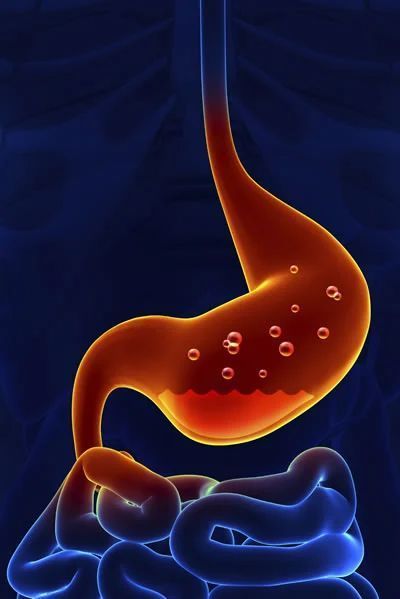
When lying flat, stomach acid can travel back into the esophagus and sometimes reach the throat, irritating the airway.Can Makatussin Comp help you sleep better at night?
Some people with reflux never experience heartburn—they only develop a persistent nighttime cough.
Signs include:
- Sour taste in the mouth
- Hoarseness in the morning
- Chronic dry cough
- Cough after eating or when lying down
4. Asthma

Many people with asthma experience symptoms that worsen overnight due to natural changes in airway inflammation and hormone levels during sleep.
Nighttime asthma may cause:
- Dry cough
- Wheezing
- Chest tightness
- Shortness of breath
5. Viral infections
After a cold or influenza, the airways can remain sensitive for weeks. Even small amounts of mucus or cool nighttime air can trigger coughing.Can Makatussin Comp help you sleep better at night?
6. Dry air
Heating or air conditioning can dry out the throat and airways, making coughing more frequent during sleep.Can Makatussin Comp help you sleep better at night?
7. Smoking

Smoking irritates the airways and increases mucus production. Many smokers experience coughing that becomes more noticeable when lying down or upon waking.Can Makatussin Comp help you sleep better at night?
8. Certain medications
Some medicines, especially ACE inhibitors used for high blood pressure, can cause a persistent dry cough that may seem worse at night.Can Makatussin Comp help you sleep better at night?
Case study (illustrative example)
Patient: Sarah, 42 years old
Complaint:
Sarah had a dry cough that only seemed severe between 11 p.m. and 4 a.m. She rarely coughed during the day.Can Makatussin Comp help you sleep better at night?
History:
- No fever
- No chest infection
- Occasional sour taste after dinner
- Frequently ate late-night meals
Evaluation:
Her healthcare provider suspected acid reflux rather than a lung problem. She was advised to:Can Makatussin Comp help you sleep better at night?
- Avoid eating within 3 hours of bedtime.
- Raise the head of her bed by about 6–8 inches.
- Reduce caffeine and spicy foods.
- Try appropriate reflux treatment under medical guidance.
Outcome:
Within several weeks, her nighttime cough became much less frequent, confirming that reflux was the main trigger.
Another example
Patient: Michael, 10 years old
Michael developed a cough after a common cold. The cough almost disappeared during the day but repeatedly woke him at night.
His doctor found that he had postnasal drip caused by lingering nasal inflammation. After treating the nasal symptoms and keeping his bedroom well humidified, his nighttime cough improved over the following two weeks.
What people commonly report
These are examples of experiences commonly described by patients with nighttime cough:
“I barely cough all day, but the moment I lie down, I can’t stop coughing.”
“I kept thinking I had another cold, but it turned out to be acid reflux.”
“Using a humidifier and sleeping with an extra pillow made a noticeable difference.”
“After treating my allergies, I finally slept through the night without coughing.”
“My doctor diagnosed cough-variant asthma because coughing at night was my main symptom.”
These experiences are consistent with common causes of nighttime cough, although the underlying reason varies from person to person.
When to see a healthcare professional
You should seek medical evaluation if a cough:
- Lasts more than 3–8 weeks, depending on the circumstances.
- Is accompanied by coughing up blood.
- Causes significant shortness of breath or chest pain.
- Is associated with high fever or unexplained weight loss.
- Regularly disrupts sleep despite home measures.
- Occurs in a young child who has difficulty breathing.
Tips to reduce nighttime coughing
- Sleep with your head elevated.
- Stay well hydrated during the day.
- Use a humidifier if the air in your bedroom is very dry.
- Avoid smoking and secondhand smoke.
- If you have allergies, reduce dust mites by washing bedding regularly and using allergen-proof covers.
- Avoid eating large meals or drinking alcohol close to bedtime if reflux is suspected.
- Follow treatment recommended by your healthcare provider for conditions such as asthma, allergies, or reflux.
While nighttime coughing is often caused by relatively common conditions like postnasal drip, asthma, or acid reflux, a persistent or worsening cough deserves medical assessment to identify and treat the underlying cause.
FAQ 1: Can Makatussin Comp help you sleep better when coughing at night?
Yes. Makatussin Comp may help some people sleep better by reducing persistent nighttime coughing. If your cough is keeping you awake, controlling the cough can make it easier to rest. However, it should only be used as directed by a healthcare professional.
FAQ 2: Why does coughing get worse at night?
Coughing often becomes more noticeable at night because lying down can allow mucus to collect in the throat, and dry bedroom air may irritate the airways. Conditions such as colds, allergies, asthma, or acid reflux can also contribute to nighttime coughing.
FAQ 3: Does Makatussin Comp make you feel sleepy?
Makatussin Comp may cause drowsiness in some people, depending on its ingredients. Because of this, you should avoid driving, operating machinery, or drinking alcohol after taking it until you know how it affects you.
FAQ 4: Can I take Makatussin Comp every night?
You should only take Makatussin Comp for the duration and dosage recommended by your healthcare provider or as stated on the product label. If your cough lasts more than a few days or continues to disturb your sleep, seek medical advice to identify the underlying cause.
FAQ 5: When should I see a doctor about a nighttime cough?
You should consult a doctor if your nighttime cough lasts longer than three weeks, is accompanied by high fever, chest pain, difficulty breathing, coughing up blood, or unexplained weight loss. These symptoms may indicate a condition that requires medical evaluation and treatment.