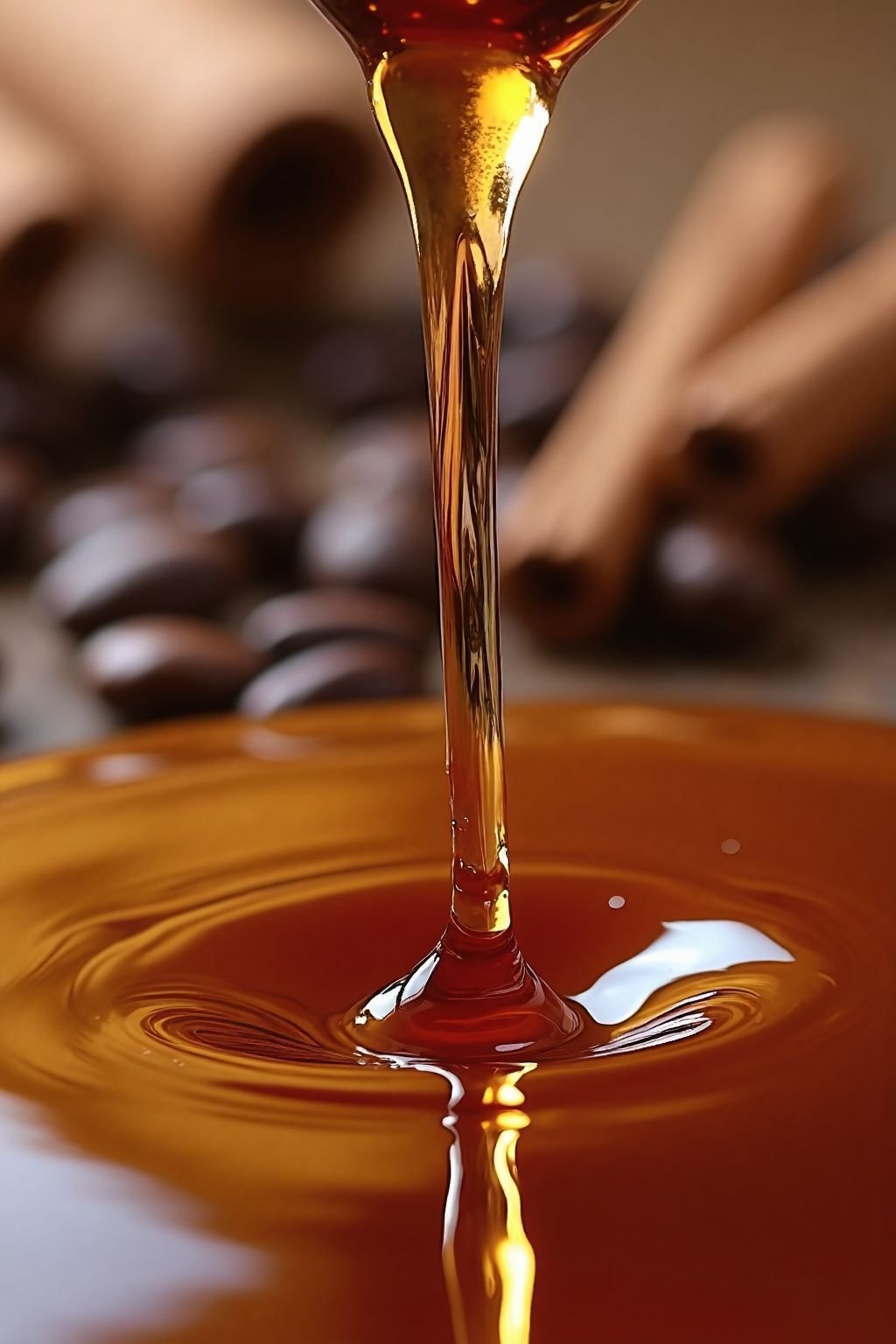
Every spring, thousands of backyard sugarmakers drill a small hole into a maple tree, hang a bucket, and wait. What happens next — the drips, the long hours at the boil, the first taste of homemade syrup — is one of the most satisfying food traditions still practiced today. But not everyone has a tree, a forest, or the time it takes to make syrup from scratch. That’s why a growing number of maple lovers now choose to buy pure organic maple syrup online instead, getting the same real, unfiltered flavor without the six-week wait.
This guide walks through what real tapping actually looks like, what first-timers get wrong, what long-time producers wish they’d known, and how to tell real syrup from the imitation stuff — whether you tap it yourself or buy pure organic maple syrup online from a trusted source.
What Does It Really Take to Tap a Maple Tree?
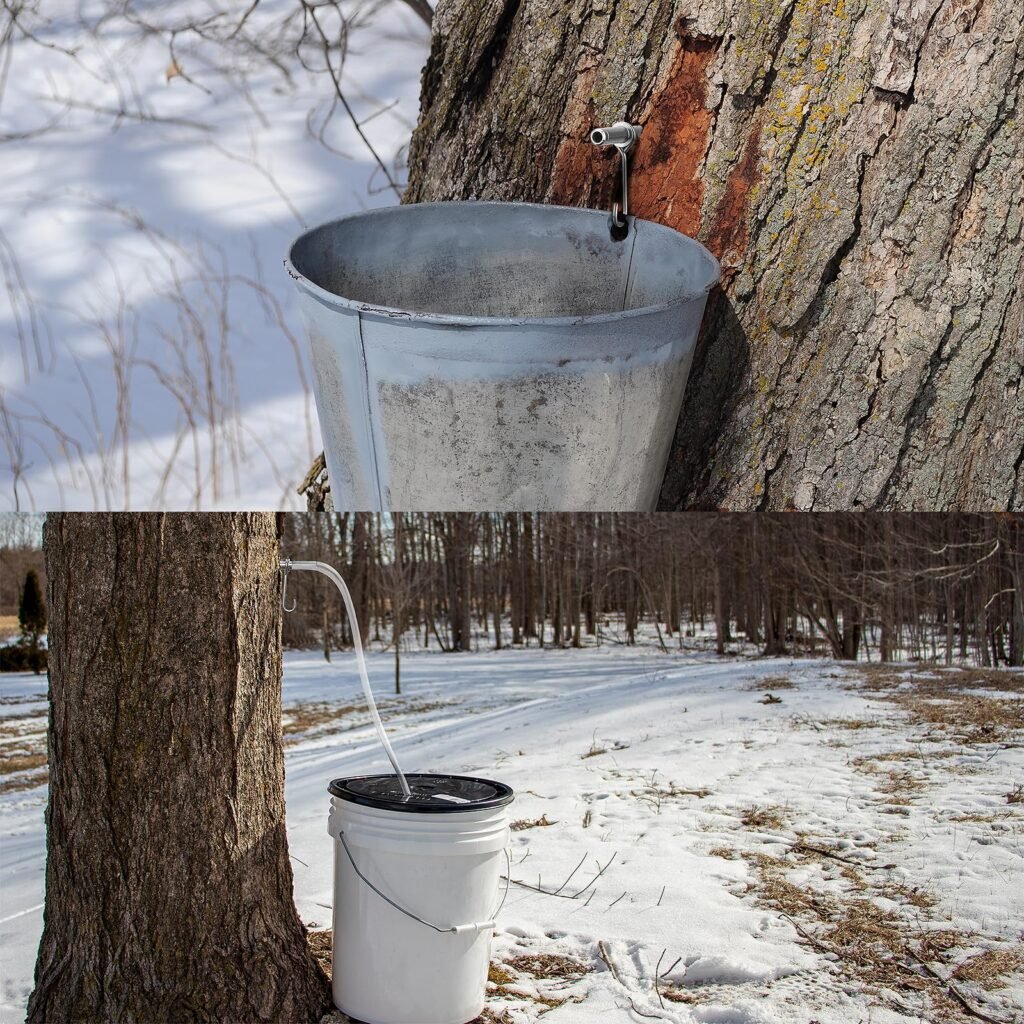
Tapping looks simple from the outside: drill a hole, insert a spile, hang a bucket. In practice, timing and technique decide whether you end up with a few gallons of syrup or a bucket of frozen disappointment.
- Timing matters most. Sap runs best when nights drop below freezing and days climb above it — usually late winter into early spring, depending on your region.
- Tree size and species matter. Sugar maples over 10 inches in diameter are the standard choice; smaller trees can be tapped but produce less sap per hole.
- One tap per healthy tree is the general rule for trees under 18 inches wide, to avoid stressing the tree.
Most hobbyists describe the first drip of sap as the moment the whole project becomes real — a light, slightly sweet, almost water-like liquid that gives no hint of the deep amber syrup it will eventually become.See similar or related information about maple syrup in this previously written reference: Maple syrup – Wikipedia
From Sap to Syrup: The Boiling Process Real Tappers Swear By
This is the step that surprises most beginners. It takes roughly 40 gallons of raw sap to produce just 1 gallon of finished syrup, and getting there means hours of careful boiling.
Collecting and Storing Sap
Sap should be collected daily and kept cold until boiling to prevent bacteria growth and off-flavors. Cloudy or discolored sap is usually a sign it’s gone bad and should be discarded.
Boiling It Down
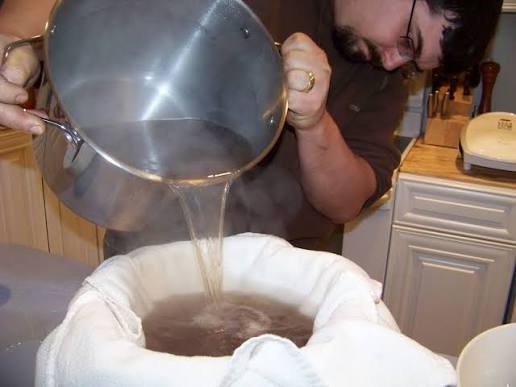
Sap is boiled in an open pan (often outdoors, since the process releases a huge amount of steam) until the sugar concentration rises from about 2% to the 66–67% that defines finished maple syrup. Producers use a hydrometer or thermometer to know exactly when to stop — pull it too early and it’s too thin; too late and it can crystallize or burn.
Filtering and Bottling
The final syrup is filtered while hot to remove “sugar sand” (mineral deposits), then bottled immediately to seal in freshness.
Community Voices: Real Stories From Backyard Sugarmakers
Part of what makes maple syrup special is the community around it. Home producers regularly share their results, mistakes, and small wins with each other, and a few recurring themes show up again and again:
“My first batch scorched because I walked away for twenty minutes. Now I never leave the pan unattended during the final stretch.” — shared by a first-year backyard tapper
“I always thought store-bought was ‘real’ syrup until I tasted my own. There’s genuinely no comparison once you’ve had fresh.” — shared in a maple-tapping community forum
“Between work and three kids, I don’t have six weekends a season to spend at a boiling pan anymore. I still love the tradition, but honestly, I buy pure organic maple syrup online now for everyday use and save tapping for a fun weekend with the kids.” — shared by a longtime hobbyist
These kinds of real, everyday reflections are exactly why so many people research the process even if they never plan to tap a tree themselves — and why plenty of experienced tappers still choose to buy pure organic maple syrup online for the syrup they use day to day.
Why More People Choose to Buy Pure Organic Maple Syrup Online
Tapping is rewarding, but it isn’t realistic for everyone. Not everyone has access to sugar maples, the right climate window, or the equipment needed to boil sap safely. That gap is exactly why demand has grown for people who want to buy pure organic maple syrup online rather than produce it themselves.
Buying online also solves a real problem: a lot of syrup sold in supermarkets isn’t pure maple syrup at all — it’s corn syrup blended with maple flavoring. When you buy pure organic maple syrup online from a producer who publishes their sourcing and grading, you know exactly what you’re getting.
For additional information about cough syrups, their onset of action, absorption, and factors that may influence how quickly they provide relief, you can also read our previously published guide, “How Can I Get Fast-Acting Syrup?” Read the previous guide on fast-acting syrups. It provides further background and practical information on the topic.
How to Buy Pure Organic Maple Syrup Online Without Getting Fooled by Fake Syrup
A few label details separate the real thing from imitation syrup:
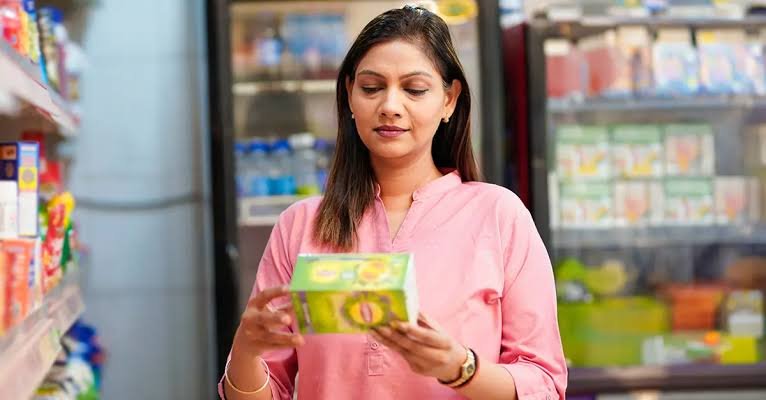
- Check the ingredients list. It should say one thing: “100% pure maple syrup.” Anything else (corn syrup, “maple flavor,” caramel color) is not the real product.
- Look for the grade. Real syrup is labeled Golden, Amber, Dark, or Very Dark — these describe flavor intensity, not quality.
- Look for organic certification. A genuine organic label means the trees and processing meet verified agricultural standards, not just a marketing claim.
- Buy from a source that’s transparent about its sugarbush. Producers who share where and how their syrup is made are almost always the safer, more trustworthy choice when you buy pure organic maple syrup online.
Buy Pure Organic Maple Syrup Online: What Labels Actually Mean
| Label Term | What It Actually Means |
|---|---|
| “100% Pure Maple Syrup” | Contains nothing but maple sap, boiled down |
| “Organic” | Trees and land are certified free of synthetic chemicals |
| Grade A Golden/Amber/Dark/Very Dark | Describes color and flavor strength, not purity |
| “Maple-Flavored Syrup” | Usually corn syrup with added flavoring — not real maple |
Maple Syrup as a Natural Remedy: What the Research Says
Beyond the kitchen, maple syrup has a long history in folk remedies — often stirred into warm water or tea during cold season for its soothing texture and natural sugars. It’s worth being clear-eyed here: maple syrup is not a substitute for medically tested treatments.
Tapping vs Buying: When It Makes Sense to Buy Pure Organic Maple Syrup Online Instead
Tapping is a fantastic seasonal project, but it isn’t always practical. Here’s a simple way to think about it:
Tap your own trees if:
- You have access to healthy sugar maples
- You enjoy hands-on, seasonal projects
- You have time across several weekends during sap season
Buy pure organic maple syrup online if:
- You want consistent, high-quality syrup year-round
- You don’t have the trees, climate, or equipment to tap
- You want the real, pure product without the guesswork of reading grocery-store labels
Many experienced sugarmakers actually do both — tapping a few trees each spring for the experience, and choosing to buy pure organic maple syrup online the rest of the year to keep the pantry stocked.
Tips for First-Time Maple Tappers (Learned the Hard Way)
- Don’t tap too early. Tapping before consistent freeze-thaw cycles wastes tap holes and stresses the tree for little sap.
- Watch the pan constantly during the final boil. Syrup can go from “almost ready” to burnt in minutes once the sugar concentration climbs.
- Sanitize everything. Buckets, spiles, and pans that aren’t cleaned between seasons can introduce bacteria that ruin a batch.
- Don’t be discouraged by a small first batch. Yield varies a lot by tree, weather, and season — most tappers say their second year is noticeably better than their first.
Frequently Asked Questions
How many maple trees do I need to make my own syrup? It depends on how much syrup you want. A single healthy sugar maple can produce roughly 1 quart of finished syrup per season, so most backyard producers tap several trees to make it worthwhile.
Is homemade maple syrup safe to drink straight from the tree? Raw sap is generally safe, but it must be boiled and properly filtered before it becomes shelf-stable syrup. Unboiled sap should be refrigerated and used within a few days.
What’s the difference between Grade A and Grade B maple syrup? Modern labeling uses Golden, Amber, Dark, and Very Dark instead of the old Grade A/B system. These describe flavor strength (lighter to more robust), not a difference in purity or quality.
Where can I buy pure organic maple syrup online? Look for a retailer that publishes clear sourcing information, lists “100% pure maple syrup” as the only ingredient, and carries organic certification. Reading the label carefully is the fastest way to buy pure organic maple syrup online with confidence rather than ending up with an imitation blend.
Does maple syrup expire? Unopened, pure maple syrup can last a long time in a cool, dark pantry. Once opened, it should be refrigerated, where it will keep for up to a year without losing flavor.
Can maple syrup replace sugar in recipes? Yes, in most recipes maple syrup can substitute for granulated sugar, though it adds moisture, so liquid ratios in the recipe usually need slight adjustment.
Final Thoughts
Whether you’re drilling your first tap hole this spring or simply want the real, unfiltered flavor without the six-week process, the tradition behind maple syrup is worth understanding. For those ready to skip the boiling pan and go straight to the good part, choosing to buy pure organic maple syrup online is a simple way to bring that same real, tree-to-table flavor to your table any time of year.