who are high risk flu groups.Influenza is more than just a seasonal nuisance—it can be dangerous for certain populations. Understanding who are high-risk flu groups is crucial for protecting your loved ones, especially kids, the elderly, and pregnant people. This guide will provide clear advice, backed by trusted sources, to help you prevent severe flu complications.
Who Are High-Risk Flu Groups?
Not everyone is equally vulnerable to influenza. High-risk flu groups are individuals more likely to experience serious illness, hospitalization, or complications if they contract the flu. The groups include:
- Children under 5 years, especially those under 2
- Adults 65 years and older
- Pregnant people at any stage of pregnancy
- People with chronic health conditions, such as asthma, diabetes, or heart disease
- Individuals with weakened immune systems
Understanding these groups ensures timely vaccination and preventive measures.who are high risk flu groups
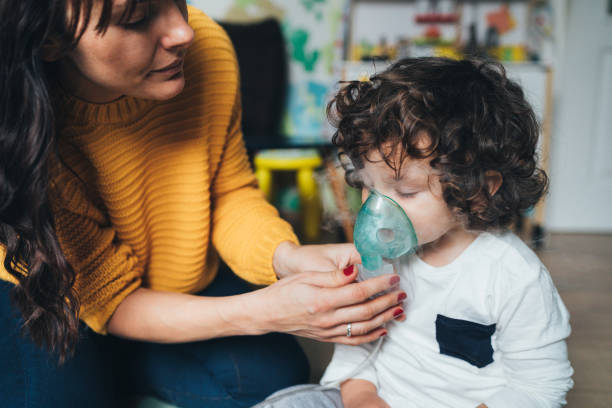
Why Kids Are Considered High-Risk Flu Groups
Children, particularly under the age of 5, have immature immune systems, making it harder to fight off influenza. Complications like pneumonia or dehydration are more common. Parents and caregivers should:
- Ensure children get the annual flu vaccine
- Teach proper hand hygiene
- Limit contact with sick individuals
For more protective strategies, visit Syrup Dreams.
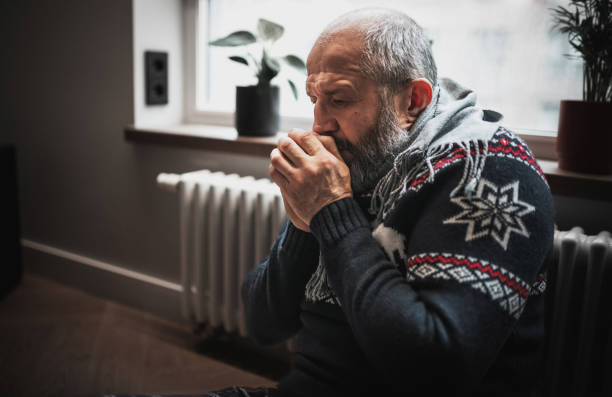
Elderly: A Key High-Risk Flu Group
Adults over 65 are more likely to suffer severe complications due to age-related immune decline. Tips for elderly care include:
- Encourage yearly flu vaccination
- Maintain a healthy diet and hydration
- Avoid crowded places during flu season
Learn more about influenza from reliable sources like Wikipedia.
Pregnant People and Flu Risks
Pregnancy alters the immune system, heart, and lungs, increasing susceptibility to severe influenza. Protective measures include:
- Annual vaccination (safe during pregnancy)
- Frequent hand washing
- Avoiding close contact with people showing flu symptoms
Recognizing that pregnant people are a high-risk flu group helps prioritize preventive care.who are high risk flu groups
Preventing Flu in High-Risk Groups: Key Strategies
- Vaccination is Vital: Everyone in high-risk groups should receive the flu vaccine annually.
- Good Hygiene Practices: Handwashing, sanitizing surfaces, and using masks if necessary.
- Prompt Medical Attention: Seek healthcare if flu symptoms worsen.who are high risk flu groups
- Healthy Lifestyle: Balanced diet, adequate sleep, and regular exercise strengthen immunity.
- Education: Knowing who are high-risk flu groups ensures that preventative measures are not delayed.
H4: Early Symptoms to Watch in High-Risk Flu Groups
Early recognition can save lives. Symptoms include:
- Fever and chills
- Persistent cough
- Fatigue and body aches
- Rapid breathing or shortness of breath
Immediate action, especially for children, elderly, and pregnant people, is essential.who are high risk flu groups
FAQ: High-Risk Flu Groups
Q1: Who exactly are high-risk flu groups?
A: High-risk flu groups include young children, adults over 65, pregnant people, and individuals with chronic conditions or weakened immune systems. They are more susceptible to severe flu complications.
Q2: Why is the flu more dangerous for pregnant people?
A: Pregnancy changes the immune, heart, and lung functions, increasing vulnerability to serious influenza infections. Vaccination and early medical care are critical.who are high risk flu groups
Q3: Can healthy adults be considered part of high-risk groups?
A: Generally, healthy adults have a lower risk. However, underlying conditions like asthma or diabetes can elevate risk levels.
Q4: How can families protect high-risk flu groups?
A: Vaccination, good hygiene, avoiding exposure to sick people, and early medical attention are key strategies.
Q5: Where can I learn more about influenza?
A: Trusted resources include Syrup Dreams for protective tips and Wikipedia for general information.who are high risk flu groups
Conclusion
Protecting vulnerable populations starts with knowledge. Knowing who are high-risk flu groups allows caregivers and families to take proactive steps, ensuring the safety of children, the elderly, and pregnant people during flu season. Vaccination, hygiene, and awareness are your best tools against influenza.