

If you’re lying awake at 2 a.m. hacking away at a dry, tickly throat, you’re not alone. An unproductive cough — a cough that brings up no mucus — tends to get worse after dark, robbing you of sleep and leaving you exhausted the next day. The good news is that most nighttime dry coughs respond well to simple care at home. This guide walks you through why this happens and shares the fast home remedies for unproductive cough that doctors and long-time home-care communities recommend most often.
We’ll cover what causes a dry cough to flare up at night, the remedies you can try tonight, and the warning signs that mean it’s time to call a doctor instead of reaching for the tea kettle.

What Is an Unproductive Cough?

An unproductive cough, often called a “dry cough,” doesn’t produce phlegm or mucus. Instead, it’s usually caused by irritation, inflammation, or a tickling sensation in the throat and airways. This differs from a productive (wet) cough, which clears mucus from the lungs. According to Wikipedia’s overview of cough, a cough is a reflex action that clears the throat and airways of irritants, foreign particles, and microbes — and dry coughs are frequently linked to viral infections, allergies, or irritant exposure rather than a chest infection.
Understanding which type of cough you have matters, because treatment differs. If you’re not sure which one you’re dealing with, our guide on dry cough vs. wet cough symptoms and treatment breaks down the key differences
Why Do Unproductive Coughs Get Worse at Night?
Several factors combine after dark to make a dry cough feel more intense:
- Lying flat allows mucus and stomach acid to pool at the back of the throat.
- Bedroom air is drier, especially with heating or air conditioning running.
- Your cough reflex is less suppressed at night because there are fewer distractions.
- Dust mites and allergens in bedding can trigger irritation.
Common Causes of a Dry Cough at Night
- Postnasal drip from colds, sinus infections, or allergies
- Acid reflux (GERD), which irritates the throat when lying down
- Asthma, which often worsens overnight
- Dry indoor air, especially in winter
- Viral upper respiratory infections
- ACE inhibitor medications (a known side effect for some blood pressure drugs)
- Environmental irritants like smoke, pet dander, or strong fragrances
Knowing the underlying cause helps you choose the most effective fast home remedies for unproductive cough — for example, elevating your head helps reflux-related coughs, while a humidifier helps dry-air coughs.
Fast Home Remedies for Unproductive Cough at Night
The fast home remedies for unproductive cough below are simple, low-cost, and backed by common clinical and traditional practice. Try one or combine a few for faster relief.

Fast Home Remedies for Unproductive Cough You Can Try Tonight
1. Honey Before Bed — One of the Best Fast Home Remedies for Unproductive Cough
A spoonful of honey, or honey stirred into warm water or herbal tea, coats and soothes the throat. Studies in both children (over age 1) and adults suggest honey can reduce nighttime cough frequency and severity. Avoid giving honey to infants under 12 months due to the risk of botulism.
2. Steam Inhalation
Breathing in steam from a hot shower or a bowl of hot water loosens irritation and moistens dry airways. Lean over the bowl with a towel over your head for 5–10 minutes, keeping a safe distance to avoid burns.
3. Elevate Your Head While Sleeping
Propping yourself up with an extra pillow or a wedge pillow reduces postnasal drip and acid reflux, two of the most common triggers of a nighttime dry cough.
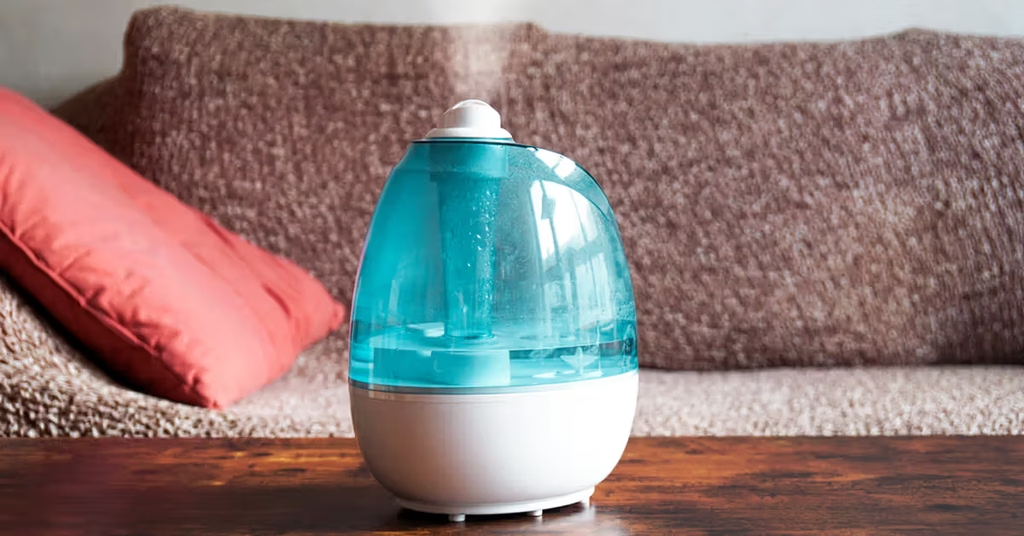
4. Run a Humidifier
Adding moisture to bedroom air keeps your throat and nasal passages from drying out overnight. Aim for indoor humidity between 30–50%, and clean the humidifier regularly to prevent mold growth.
5. Stay Hydrated Throughout the Day
Drinking plenty of water thins mucus and keeps your throat lubricated, which can reduce the tickle that triggers coughing fits.
6. Herbal Teas (Ginger, Thyme, Licorice Root)
Warm herbal teas have anti-inflammatory and soothing properties. Ginger tea in particular may help calm airway irritation, while thyme has traditionally been used for cough relief.
7. Saltwater Gargle
Gargling warm salt water before bed can reduce throat irritation from postnasal drip, especially if allergies or a mild infection are involved.
8. Avoid Late, Heavy, or Spicy Meals
If reflux is a suspected trigger, eating dinner at least 2–3 hours before lying down — and avoiding caffeine, alcohol, and fatty or spicy foods — can meaningfully reduce nighttime coughing.
These fast home remedies for unproductive cough work best when used together rather than relying on just one, and most people notice improvement within a few nights of consistent use.
When Fast Home Remedies for Unproductive Cough Don’t Work: When to See a Doctor
Fast home remedies for unproductive cough are usually enough for a mild, short-term dry cough. However, some symptoms mean it’s time to see a healthcare provider rather than continuing with self-care alone.
Warning Signs You Shouldn’t Ignore
- A cough lasting longer than 3 weeks
- Coughing up blood
- Shortness of breath or wheezing
- Chest pain
- High fever
- Unexplained weight loss
- A cough that disrupts sleep for more than a week despite home care
If any of these apply, contact a doctor promptly. A prolonged or worsening cough can sometimes signal asthma, GERD that needs treatment, a respiratory infection, or, less commonly, a more serious underlying condition.
How to Prevent Nighttime Dry Cough From Coming Back
More Fast Home Remedies for Unproductive Cough to Support Better Sleep
Beyond in-the-moment relief, a few habit changes can reduce how often a dry cough disrupts your nights:
- Wash bedding weekly in hot water to reduce dust mites
- Keep pets out of the bedroom if allergies are a factor
- Use an air purifier if smoke or pollution is an issue
- Treat allergies or reflux consistently, not just when symptoms flare
- Avoid smoking and secondhand smoke exposure
Combining these prevention habits with the fast home remedies for unproductive cough listed above gives you the best chance of a full night’s sleep.
Community Tips: Readers Share Their Fast Home Remedies for Unproductive Cough
We asked readers in the comments which remedies actually worked for them. Here are some of the most repeated tips (add your own real reader comments here as they come in to keep this section fresh and authentic):
“Propping myself up with two pillows made the biggest difference for me — the coughing basically stopped within a night.” — Reader comment
“Warm water with honey and a squeeze of lemon before bed has been our go-to for years.” — Reader comment
“A humidifier running all winter cut my nighttime cough down a lot.” — Reader comment
Have a remedy that worked for you? Share it in the comments below — your tip could help another reader sleep better tonight.
Frequently Asked Questions About Unproductive Cough at Night
What are the fastest home remedies for unproductive cough at night?
The fastest home remedies for unproductive cough include a spoonful of honey, warm herbal tea, steam inhalation, and sleeping with your head elevated. Most people notice relief within 20–30 minutes of trying these, and consistent nightly use often reduces how often the cough returns.
Why is my dry cough worse only at night?
Lying flat allows mucus and stomach acid to collect at the back of the throat, bedroom air is often drier, and there are fewer daytime distractions to suppress the cough reflex. This combination is why an unproductive cough frequently feels worse after you go to bed.
Are fast home remedies for unproductive cough safe for children?
Many of these remedies, such as a humidifier, hydration, and head elevation, are safe for children. Honey is safe for children over 12 months but should never be given to infants under 1 year old. Always check with a pediatrician before giving any remedy to a young child.
How long does an unproductive cough usually last?
A dry cough related to a common cold or minor irritation typically improves within 1–2 weeks. If it lasts longer than 3 weeks, it’s considered a chronic cough and should be evaluated by a doctor.
Can drinking water really help a dry cough?
Yes. Staying hydrated thins mucus, keeps the throat moist, and reduces the tickling sensation that triggers coughing fits, making it one of the simplest fast home remedies for unproductive cough to maintain throughout the day.
When should I stop using home remedies and see a doctor?
If your cough lasts more than three weeks, comes with fever, chest pain, shortness of breath, or blood, stop relying on home remedies alone and see a healthcare provider right away.
Final Thoughts
A nighttime dry cough is uncomfortable, but it’s usually manageable with consistent care. The fast home remedies for unproductive cough covered here — honey, steam, elevation, hydration, and a humidifier — address the most common causes, from postnasal drip to dry air. Try combining a few tonight, and keep an eye out for warning signs that call for a doctor’s visit. For more on related symptoms, see our internal guide on managing nighttime allergy symptoms and learn more about the cough reflex itself via Wikipedia