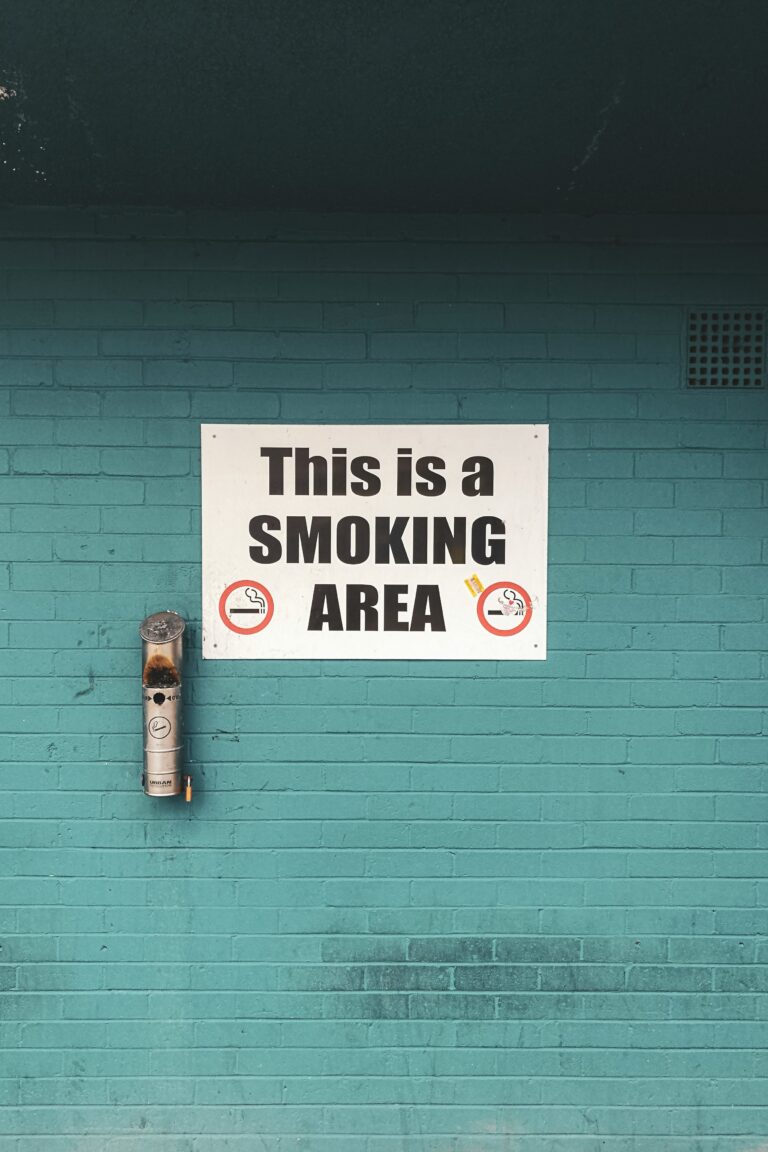
Vaping banned Belgium 2027?Yes. Belgium will prohibit all vaping and smoking on public terraces from January 1, 2027. This landmark decision extends to shisha bars, smoking rooms in airports, and designated smoking areas in cafés. Health Minister Frank Vandenbroucke confirmed that two people die every hour in Belgium from smoking-related illnesses. However, most vapers remain unaware of critical health risks that drove this policy change. If you’re seeking safer alternatives, explore our premium vape collection while understanding the complete picture. The Brussels Times reports comprehensive details about the legislation.
Why Belgium Banned Vaping on Terraces
The Belgian government delayed implementation from 2026 to 2027. This gave businesses one year to adapt. The ban covers all public terraces and their immediate surroundings.
Restaurant and café owners must display clear signage. They face penalties for providing ashtrays or ignoring violations. Establishments enforcing rules won’t be fined. Individual users breaking the ban remain directly responsible.
The policy targets three main concerns. First, involuntary exposure to harmful vapour affects non-users. Second, seeing others vape encourages the behaviour. Third, youth vaping rates have reached alarming levels.
The Hidden Health Risks Most Vapers Miss
Brain Development Damage in Young Adults
Nicotine can harm brain development which continues until about age 25. Most users don’t realize their brains remain vulnerable. The adolescent brain parts controlling attention, learning, and impulse control face particular risk.Vaping banned Belgium 2027?
Youth can start showing signs of nicotine addiction quickly, sometimes before the start of regular or daily use. This rapid addiction pathway catches users off guard. Many teenagers vape without knowing their device contains nicotine.
Cardiovascular Risks Often Overlooked
Meta-analyses have linked e-cigarette use to increased risks of arrhythmias and myocardial infarction (MI). Dual users face especially high cardiovascular disease risks. Those combining vaping with traditional cigarettes increase CVD odds by 2.56 times.
The aerosol constituents cause direct heart damage. Nicotine and flavorings create harmful effects on cardiac function. Recent studies found nicotine-salt e-liquids increase cardiac arrhythmia risk significantly.Vaping banned Belgium 2027?
Cancer Risk Markers Present in Vapers
Research reveals concerning cancer-related biomarkers. Studies employing other methodologies found a significantly elevated cancer risk following e-cigarette exposure. Vapers show higher levels of acrolein metabolites than non-users.
Acrolein causes respiratory tract carcinogenesis through oxidative DNA damage. The compound appears in unsaturated aldehydes from vaping aerosols. Strong evidence links vaping to cellular apoptosis and DNA damage.
Vaping Banned Belgium 2027: What Changes
Complete Terrace Prohibition
Starting January 2027, no vaping will be allowed on any terrace. The ban includes areas within 10 meters of outdoor seating. Cigar clubs and shisha bars must close or transform operations.Vaping banned Belgium 2027?
Smoking rooms in airports and cafés will be eliminated. The government removed all designated indoor smoking areas. This creates consistent smoke-free public spaces across Belgium.
Enforcement and Penalties
Hospitality businesses must take reasonable compliance steps. They should display no-smoking signage prominently. Staff should address customers attempting to vape.
Fines range from €208 to €8,000 for violations. The penalties match existing smoking law consequences. Local councils can make temporary event adjustments.Vaping banned Belgium 2027?
Impact on Shisha Establishments
Belgium’s decision specifically targets shisha bars. These venues must either close or become regular hospitality businesses. The policy recognizes that shisha smoke carries similar risks. Vaping banned Belgium 2027?
Many shisha users believe the practice is safer. However, one shisha session equals smoking multiple cigarettes. The water filtration doesn’t eliminate harmful compounds.Vaping banned Belgium 2027?
The Youth Vaping Crisis Behind the Ban
Alarming Statistics Drive Policy
Between 2023 and 2024, 21.7% of the population reported having tried vaping. Among 15-24 year-olds, 6.3% vape daily. Additionally, 11.1% use e-cigarettes occasionally.Vaping banned Belgium 2027?
1.63 million (5.9%) middle and high school students currently used e-cigarettes in 2024 in the US. Disposable devices account for 55.6% of youth use. These cheap, flavored products attract new users easily.
The Gateway Effect Reality
Therefore, vaping creates a pathway to traditional smoking. Children who vape are more than twice as likely to start smoking. The nicotine addiction established through vaping continues with cigarettes.
Most teens acquire e-cigarettes through social sources. Peer influence drives 56.9% of youth vaping initiation. Meanwhile, retail sources account for 43.1% of access.
Marketing Tactics Targeting Youth
Consequently, attractive flavors and sleek designs appeal to younger users. Disposable vapes cost less than cigarette packs. Some devices deliver up to 9,000 puffs per unit.Vaping banned Belgium 2027?
Social media advertising promotes vaping as trendy. The marketing mirrors tobacco industry tactics from past decades. Colorful packaging and fruit flavors specifically target adolescents.
Belgium’s Comprehensive Tobacco Strategy
Progressive Restrictions Timeline
Belgium implemented multiple tobacco control measures recently. Smoking became prohibited in playgrounds and zoos in January 2025. Cigarette vending machines were removed in 2024.Vaping banned Belgium 2027?
Tobacco sales at bars, cafés, and festivals ended earlier this year. From April 2025, shops cannot display tobacco products. This display ban forces storage in closed cabinets.
Pricing and Taxation Approach
Between 2020 and 2024, cigarette prices rose nearly 60 percent. Loose tobacco increased more than 90 percent. Vaping liquids now carry €0.15 per milliliter tax.
These price increases aim to discourage new users. However, critics note they may fuel black market growth. Harm reduction advocates worry about access to safer alternatives.Vaping banned Belgium 2027?
National Goals and Targets
The government aims to reduce daily smoking to 10 percent by 2028. By 2040, Belgium targets only 5 percent smoking prevalence. These goals align with EU’s tobacco-free generation vision.Vaping banned Belgium 2027?
Current statistics show progress. 17.6% of Belgians identifying as smokers in a 2023 survey by Sciensano, down from 19.4% in 2018. Daily smokers decreased from 15.4% to 12.8% during this period.
Vaping Banned Belgium 2027: International Context
European Countries Following Suit
Sweden already prohibits smoking on outdoor terraces. Spain is preparing similar restrictions. The Netherlands and France have tightened tobacco regulations significantly.Vaping banned Belgium 2027?
Milan has introduced terrace smoking restrictions in specific zones. These measures reflect growing European consensus. Public health protection outweighs hospitality industry concerns.
Harm Reduction Debate
Some experts question equating vaping with smoking. Harm reduction advocates argue vaping helps smokers quit. They point to evidence showing e-cigarettes as less harmful.
Australia’s strict vaping bans fueled illicit markets. This made regulated product access harder for smokers. Belgium’s approach may face similar unintended consequences.Vaping banned Belgium 2027?
Global Vaping Trends
Adult e-cigarette use increased from 4.5% in 2021 to 6.5% in 2023. The highest prevalence appears in 21-24 year-olds. This demographic shows 15.5% past-30-day usage rates.Vaping banned Belgium 2027?
Disposable vape products dominate global markets. These devices escaped pod-type e-cigarette flavor bans. Environmental concerns add another dimension to the debate.
What Vapers Need to Know Now
Understanding True Health Impacts
Consequently, vaping isn’t risk-free despite being “safer” than smoking. People who use only e-cigarettes increase their risk of developing lung disease by about 30% compared with nonusers. Dual users face even higher respiratory disease risks.
The long-term effects remain under investigation. Most research follows populations for only a few years. Youth who only vaped provide the best future data.
Nicotine Addiction Reality
Nicotine is highly addictive regardless of delivery method. Withdrawal symptoms include irritability, anxiety, and decreased appetite. Breaking nicotine dependence significantly improves quality of life.
Many vapers underestimate their addiction level. The convenient, discrete nature of vaping enables constant use. This leads to higher nicotine consumption than smoking.
Safer Alternative Considerations
For current smokers, vaping may reduce harm compared to cigarettes. However, it shouldn’t be a starting point for non-smokers. The goal should always be complete nicotine cessation.
Evidence-based cessation methods include behavioral counseling. Drug-free approaches often prove more effective long-term. Professional support increases successful quit rates significantly.
Preparing for the 2027 Ban
For Businesses
Hospitality establishments should start planning now. Remove ashtrays and smoking-related items from terraces. Install clear, visible no-smoking signage immediately.
Train staff on polite but firm customer intervention. Develop scripts for addressing violation attempts. Understand penalty structures to ensure compliance.
For Consumers
Vapers need to adjust expectations for public use. Indoor-only vaping will become the norm. Consider this an opportunity to reduce consumption.
Explore cessation resources if interested in quitting. Many support programs offer free assistance. Professional guidance increases success probability substantially.
Market Implications
The black market may grow following restrictions. Illegal disposable vapes continue circulating despite bans. Enforcement gaps create availability issues.
Legitimate retailers face revenue challenges. Some may shift to cessation products and counseling. The industry must adapt to regulatory reality.
Key Takeaways
Belgium’s 2027 terrace vaping ban represents comprehensive public health policy. The decision follows mounting evidence of vaping health risks. Most users remain unaware of brain development damage, cardiovascular risks, and cancer markers.
The legislation covers all public terraces, shisha bars, and smoking rooms. Enforcement relies on business compliance with penalties for violations. Youth vaping statistics drove much of the policy urgency.
Belgium joins other European nations tightening tobacco regulations. The approach balances public health protection with business considerations. However, harm reduction advocates raise concerns about unintended consequences.
Understanding these hidden risks helps informed decision-making. Whether you choose to continue vaping, quit, or seek alternatives, knowledge empowers better choices. The 2027 ban arrives with clear public health justification.
For those continuing vaping responsibly, ensure you understand product quality. Browse our curated selection for regulated options. Stay informed through official sources like the Brussels Times coverage of ongoing developments.