

Table of Contents
- Understanding Viral Throat Infections
- Spotting a Bacterial Throat Infection
- When to See a Doctor
- Home Remedies and Fast Cough Relief Options
- Final Thoughts
Fast Cough relief.When you wake up with a sore throat, it’s hard to know whether it’s caused by a virus or bacteria. The difference is important because viral throat infections often clear up on their own, while bacterial infections—like strep throat—require antibiotics. The easiest way to tell is by looking at your symptoms: a viral infection usually comes with a cough, runny nose, or hoarseness, while a bacterial infection often causes sudden severe throat pain, high fever, and swollen lymph nodes.Fast Cough relief
For Fast Cough relief, you can also check natural remedies and over-the-counter options available at SyrupDreams, a trusted source for soothing syrups and cough solutions.
Understanding Viral Throat Infections
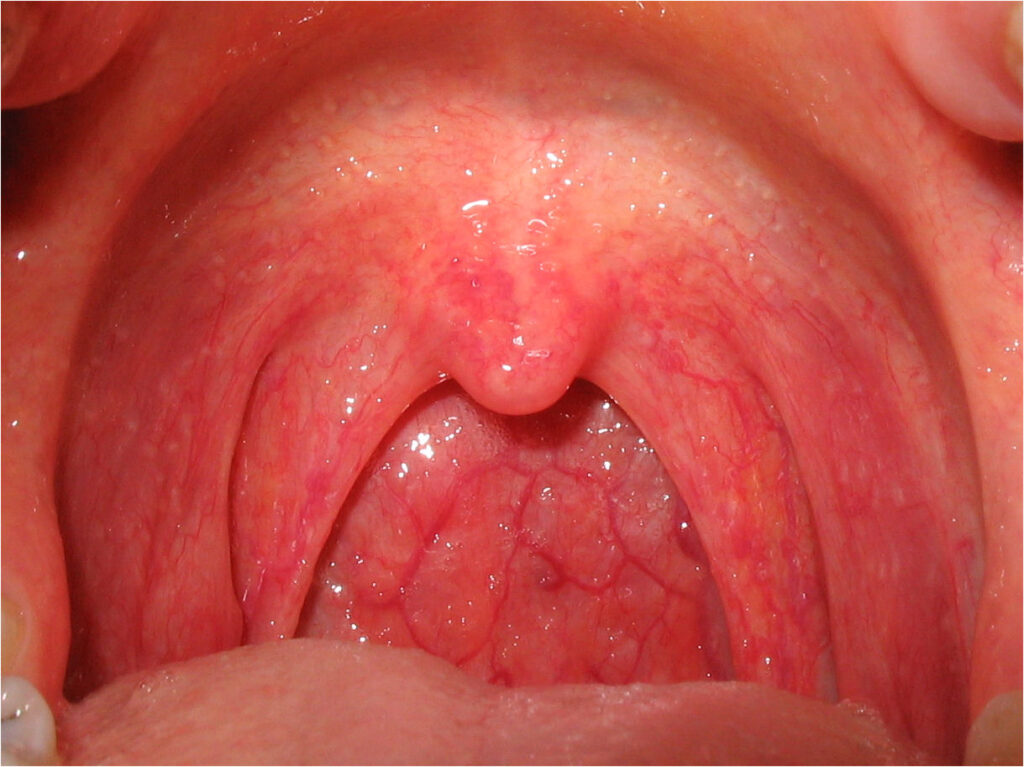
Viral throat infections are the most common. They are caused by viruses such as the common cold, influenza, or adenovirus. These infections spread through droplets when an infected person coughs or sneezes.
Common symptoms include:
- Scratchy or mild sore throat
- Cough and nasal congestion
- Runny nose
- Fatigue and mild fever
According to the Wikipedia article on cough, coughing helps the body remove mucus and irritants, which is why it’s a typical symptom of viral infections. Medical research shows that viral sore throats usually resolve within 5 to 7 days without antibiotics. Rest, hydration, and Fast Cough relief remedies can make recovery smoother.
Spotting a Bacterial Throat Infection
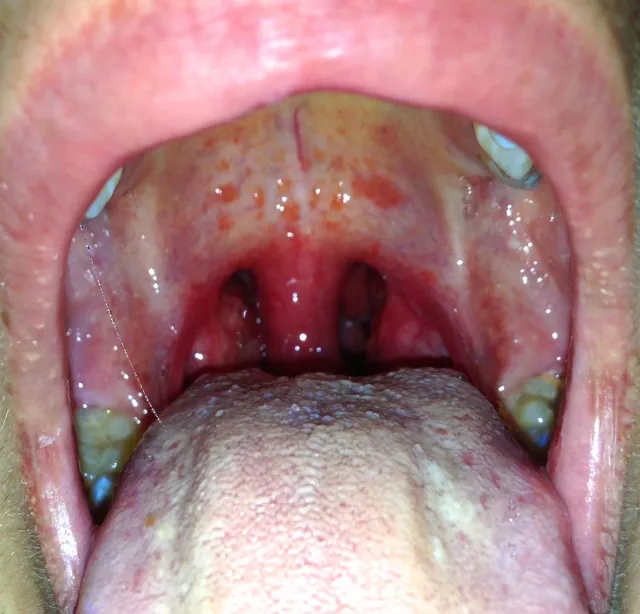
A bacterial throat infection—most often Streptococcus pyogenes, the cause of strep throat—differs from a viral one. It starts suddenly and tends to cause more intense pain. You may have difficulty swallowing, red and white patches on your tonsils, and swollen glands in your neck.
Key signs of bacterial infection:
- High fever (above 101°F or 38.3°C)
- No cough or runny nose
- Pain when swallowing
- White patches or pus on tonsils
Evidence from the Centers for Disease Control and Prevention (CDC) confirms that strep throat accounts for about 20–30% of sore throats in children and 5–15% in adults. A throat swab test is the most reliable way to confirm if it’s bacterial.
When to See a Doctor
If your sore throat lasts more than a week, or you experience difficulty breathing, swallowing, or persistent fever, it’s time to see a healthcare provider. Ignoring a bacterial infection can lead to complications such as rheumatic fever or kidney inflammation.
Even when symptoms seem mild, early diagnosis helps prevent spreading the infection to others.
Home Remedies and Fast Cough Relief Options
For mild viral infections, Fast Cough relief can come from:
- Drinking warm fluids like tea with honey
- Gargling salt water
- Using throat lozenges
- Taking natural syrups and soothing remedies from SyrupDreams
Maintaining good hygiene—washing hands often, covering your mouth when coughing, and avoiding close contact—also reduces the risk of spreading infections.
Final Thoughts
In summary, the main difference between viral and bacterial throat infections lies in their symptoms, duration, and treatment. Viral infections come with cough and cold-like symptoms, while bacterial ones cause sharp throat pain and fever without coughing. If symptoms persist, a doctor’s visit is crucial for proper diagnosis and treatment.
For home-based care and comfort during recovery, explore safe and effective remedies at SyrupDreams