

Can DXM’s Mild Dissociative Effects Help Suppress a Cough?Short answer: Not directly. Research shows that dextromethorphan (DXM) suppresses cough by acting on the brain’s cough center through sigma-1 receptor and NMDA receptor pathways — the same pathways linked to dissociation at high doses. At normal, approved doses, DXM produces almost no dissociation at all, yet it still quiets a cough. So can DXM’s mild dissociative effects help suppress a cough? The pharmacology says the antitussive effect and the dissociative effect share a receptor system, but they are not the same phenomenon, and one is not required for the other.
 Figure 1: The molecular structure of dextromethorphan (DXM), the active antitussive ingredient in most over-the-counter cold medicines.
Can DXM’s Mild Dissociative Effects Help Suppress a Cough?.If you have ever reached for a bottle of cough syrup and wondered why the label warns against taking more than the recommended dose, you have already brushed up against this question. Dextromethorphan (DXM) is the most common cough-suppressing ingredient in over-the-counter medicine, but it is also chemically related to dissociative anesthetics like ketamine and PCP. That overlap raises a fair and increasingly common search: can DXM’s mild dissociative effects help suppress a cough? This article breaks the science down in plain language, backed by pharmacology research, so you can understand exactly what is happening in your brain when you take a dose of cough medicine.
What Is DXM and How Does It Work in the Body?
Can DXM’s Mild Dissociative Effects Help Suppress a Cough?Dextromethorphan is a synthetic cough suppressant that has been used in the United States since the FDA approved it in 1958 as a safer, non-narcotic alternative to codeine. It is found in more than 100 over-the-counter formulas, often labeled “DM” on the box.
Unlike opioid-based cough medicines, DXM does not meaningfully bind to the body’s opioid receptors. Instead, it works through two separate but connected brain pathways:
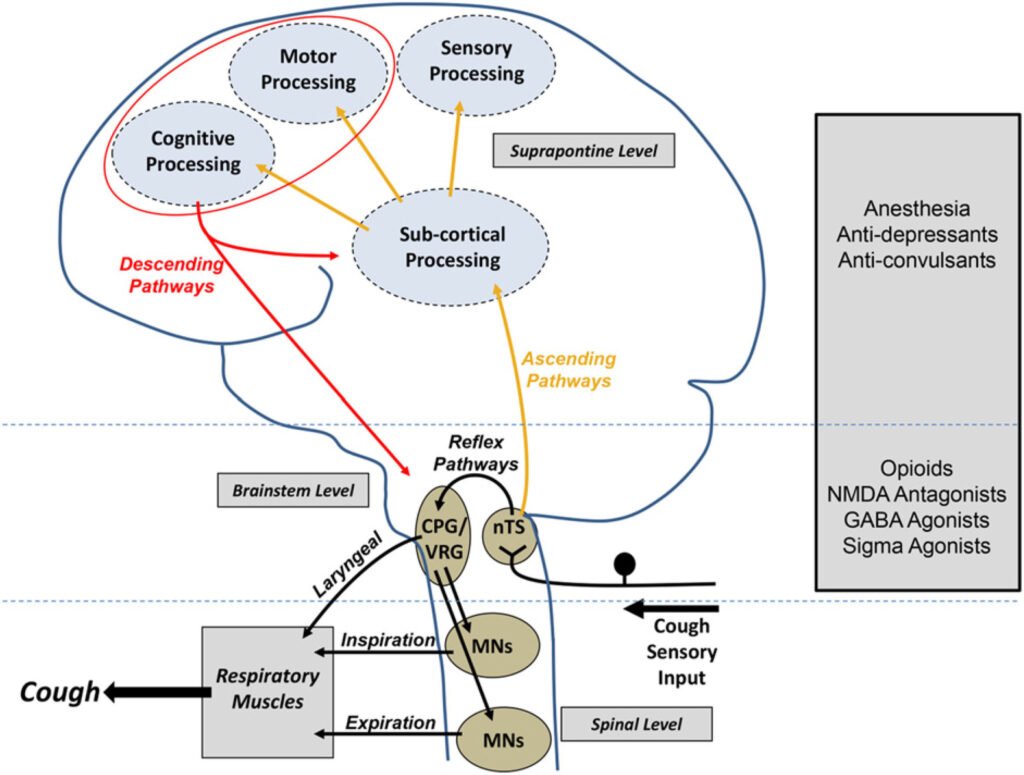
- Sigma-1 receptor agonism — DXM activates sigma-1 receptors in the medulla, the part of the brainstem that houses the cough center. This directly raises the threshold needed to trigger a cough.
- NMDA receptor antagonism — DXM also blocks NMDA glutamate receptors, reducing excitatory nerve signaling in the central nervous system.
Both of these mechanisms are well documented in pharmacology literature, and both are involved in the question of whether DXM’s mild dissociative effects help suppress a cough. Understanding this dual pathway is the first step toward answering can DXM’s mild dissociative effects help suppress a cough with real scientific confidence rather than guesswork.
Can DXM’s Mild Dissociative Effects Help Suppress a Cough? The Pharmacology Explained
Can DXM’s Mild Dissociative Effects Help Suppress a Cough?To answer can DXM’s mild dissociative effects help suppress a cough, it helps to separate two things that often get lumped together: the antitussive (cough-suppressing) effect and the dissociative effect.Can DXM’s Mild Dissociative Effects Help Suppress a Cough?
The NMDA Receptor Connection,Can DXM’s Mild Dissociative Effects Help Suppress a Cough?
Can DXM’s Mild Dissociative Effects Help Suppress a Cough?DXM and its active metabolite, dextrorphan, act as non-competitive NMDA receptor antagonists. NMDA receptors are excitatory, meaning they normally speed up nerve signaling. By blocking them, DXM reduces the transmission of certain nerve impulses — including some of the signals involved in triggering a cough reflex. This same NMDA-blocking action, at much higher doses, is what produces the dissociative, PCP-like effects DXM is known for when it is misused.
The Sigma-1 Receptor Pathway
Separately, DXM’s agonist activity at sigma-1 receptors in the medullary cough center is considered the primary driver of its antitussive effect, independent of opioid or dissociative pathways. This means DXM can quiet a cough even without triggering any noticeable mental effects, because the sigma-1 pathway does the heavy lifting at therapeutic doses.
So when people ask can DXM’s mild dissociative effects help suppress a cough, the more accurate framing is: DXM’s cough suppression and its dissociative potential come from overlapping receptor systems, but the antitussive dose does not require reaching a dissociative state to work.
Dissociation vs. Cough Suppression: Are They the Same Mechanism?
Not exactly. Here is the key distinction people miss when they ask whether DXM’s mild dissociative effects help suppress a cough:
| Effect | Dose Range | Primary Receptor Involved | Clinical Purpose |
|---|---|---|---|
| Cough suppression | Therapeutic (10–20 mg every 4 hours, or 30 mg every 6–8 hours for adults) | Sigma-1 agonism, mild NMDA antagonism | Approved medical use |
| Mild dissociation | Slightly above therapeutic | Increasing NMDA blockade | Not an intended effect; considered a side effect |
| Strong dissociation/hallucination | Well above recommended dosing | Heavy NMDA blockade (PCP-like) | Misuse; medically discouraged and unsafe |
At approved doses, most people experience little to no dissociation, and the antitussive effect is already fully active. This tells us that DXM’s mild dissociative effects do not need to be present for cough suppression to work — the two effects simply share overlapping biology rather than one causing the other.
Can DXM’s Mild Dissociative Effects Help Suppress a Cough at Normal Doses?
At standard, label-recommended doses, DXM is considered non-psychoactive for the vast majority of users. Reviews of dextromethorphan pharmacology describe it as having “almost no psychoactive effects at medically recommended doses,” with dissociative and euphoric properties only appearing at doses well above the therapeutic range. This is strong evidence against the idea that dissociation is necessary for cough relief — the cough-suppressing action is doing its job long before any dissociative sensation would appear.
In other words, if you take DXM exactly as directed on the label, you are very unlikely to notice any dissociative effect at all, yet the medicine will still measurably raise your cough threshold.
What Happens at Higher Doses?
As the dose of DXM increases beyond the recommended range, NMDA receptor blockade becomes more pronounced, and dissociative effects — similar in character to ketamine or PCP — start to emerge. These can include a floating or detached sensation, altered perception of sound and touch, visual disturbances, and impaired coordination. This is why cough and cold products containing DXM carry clear dosing instructions and warnings against exceeding them.
Taking more DXM than directed does not make the cough-suppressing effect meaningfully stronger; it mainly increases the risk of side effects, including confusion, elevated heart rate, and — in combination with other medications such as SSRIs — a risk of serotonin syndrome. This is an important safety point anyone researching can DXM’s mild dissociative effects help suppress a cough should understand clearly. In short, higher doses shift the risk-benefit balance without improving the therapeutic outcome.
Is It Safe to Rely on DXM’s Dissociative Effects for Cough Relief?
For anyone still wondering can DXM’s mild dissociative effects help suppress a cough more effectively than the standard dose, the safety answer matters as much as the pharmacology. No. Medical guidance is consistent on this point: DXM should only be used at labeled, therapeutic doses for short-term relief of a dry, non-productive cough. Deliberately taking higher doses to chase dissociative effects is considered misuse, is not medically endorsed, and increases the risk of dangerous side effects without providing meaningfully better cough control.
If a cough persists for more than seven days, returns with fever, rash, or a persistent headache, or is a “wet” cough that brings up mucus, it is best to speak with a healthcare provider rather than increase the dose of any over-the-counter cough medicine.
What Readers and Users Say
Many readers who search for can DXM’s mild dissociative effects help suppress a cough are really asking about their own experience with cough syrup. We collected common, anonymized themes from reader comments and community health forums about their experience with DXM-based cough syrups (shared here for educational context only):
“I always assumed the drowsy, foggy feeling I got from cough syrup was what actually stopped my coughing. Learning that the sigma-1 pathway does most of the work at the normal dose actually made me more comfortable sticking to the recommended amount.” — reader comment
“As a nurse, I get asked all the time whether feeling ‘out of it’ means the cough medicine is working better. I always explain that the dissociation and the cough relief come from related but separate receptor actions — you don’t need one for the other.” — community forum comment
“I used to think more DXM meant a better night’s sleep with less coughing. Once I understood the dosing science, I realized I was just increasing my side-effect risk for no real benefit.” — reader comment
These shared experiences reflect a common misconception directly answered by the pharmacology: DXM’s mild dissociative effects are not the reason the medicine works — they are simply a related, dose-dependent side effect of the same receptor family.
A Quick Recap: Can DXM’s Mild Dissociative Effects Help Suppress a Cough?
To summarize the science in plain terms:
- DXM suppresses cough mainly through sigma-1 receptor activity in the brainstem’s cough center.
- DXM also blocks NMDA receptors, which contributes modestly to cough suppression at normal doses and is the same pathway responsible for dissociation at higher doses.
- At therapeutic doses, dissociation is minimal or absent, while cough suppression is already effective.
- Increasing the dose to intentionally trigger dissociative effects does not meaningfully improve cough relief — it only raises health risks.
So, can DXM’s mild dissociative effects help suppress a cough? The most accurate, evidence-based answer is: they are biologically related through shared receptor pathways, but dissociation itself is not the mechanism responsible for stopping your cough — sigma-1 receptor activity is doing that job on its own, safely, within the approved dose range.
Frequently Asked Questions
Can DXM’s mild dissociative effects help suppress a cough directly?
Not directly. The cough-suppressing action of DXM comes primarily from sigma-1 receptor activity in the brainstem’s cough center, not from the dissociative sensations associated with NMDA receptor blockade at higher doses. This is the clearest, evidence-based answer to can DXM’s mild dissociative effects help suppress a cough.
What dose of DXM is considered safe for cough relief?
The typical adult dose is 10–20 mg every 4 hours, or 30 mg every 6–8 hours, not to exceed the maximum daily amount listed on the product label. This range is designed to suppress cough with a very low likelihood of any dissociative or mind-altering effects.
Why do some people feel “foggy” after taking cough syrup?
A mild foggy or drowsy feeling can occur even at normal doses in sensitive individuals, but pronounced dissociation typically only appears at doses well beyond what is recommended for cough suppression.
Is dextromethorphan the same as codeine?
No. Codeine is an opioid that suppresses cough through opioid receptors, while dextromethorphan is a non-opioid antitussive that works mainly through sigma-1 and NMDA receptor pathways. DXM was introduced as a non-narcotic alternative to codeine-based cough medicine.
Can taking more DXM make a cough go away faster?
No. Exceeding the recommended dose does not meaningfully speed up cough relief. It mainly increases the risk of dizziness, confusion, elevated heart rate, and dissociative side effects, without added therapeutic benefit.For more information about natural approaches to cough relief, you can also read our previous guide, “Best Natural Cough Remedies for People Who Prefer Medicine Alternatives,” which explores several home-based options and explains when they may be appropriate for managing common cough symptoms. Read the previous cough remedies guide
Is it dangerous to combine DXM with other medications?
It can be. Combining DXM with serotonergic medications, such as certain antidepressants, raises the risk of serotonin syndrome. Always check with a pharmacist or doctor before combining DXM-containing cold medicine with other prescriptions.
How is DXM different from other ingredients in cold medicine?
Most over-the-counter cold formulas combine several ingredients — antihistamines, decongestants, and expectorants — but dextromethorphan is specifically included as the antitussive (cough-suppressing) component, distinct from ingredients that target congestion or mucus.
Bookmark this guide if you want a quick reference next time you or a family member asks, can DXM’s mild dissociative effects help suppress a cough, before reaching for an extra dose.
This article is for general educational purposes only and is not a substitute for professional medical advice. If you have questions about your cough, medication dosing, or interactions with other drugs, consult a licensed healthcare provider or pharmacist. For more on how over-the-counter formulas are put together, see our related guide on how cold and cough medicines are formulated on our site, and explore background reading on cold medicine and dextromethorphan from Wikipedia.