

Which herbs mimic antitussives?Traditional herbal remedies have long been used to relieve coughs and respiratory discomfort. Studies suggest some herbs act similarly to modern antitussives. Herbs like thyme, licorice root, and ivy leaf may reduce cough reflexes or soothe inflamed airways. Research shows these herbs influence pharmacological pathways associated with modern cough medicines. For instance, compounds in ivy leaf extract can relax bronchial muscles and reduce mucus, similar to pharmaceutical agents (ScienceDirect source). For natural cough relief products, visit Syrup Dreams.
Which Herbs Mimic Antitussives? Understanding the Overlap
Coughing is one of the body’s natural defense mechanisms, helping clear irritants, mucus, and foreign particles from the airways. However, persistent or uncomfortable coughing can affect sleep, concentration, and daily activities. This has led many people to explore both conventional cough medicines and traditional herbal remedies. A common question is: Which herbs mimic antitussives? While herbs do not always work in the same way as pharmaceutical antitussive medications, some have properties that may help calm cough reflexes, soothe irritated tissues, or support respiratory comfort.
Understanding the relationship between herbs and antitussive effects can help people recognize how traditional remedies overlap with modern approaches to cough management.
Understanding Antitussives and Their Role in Cough Relief

Antitussives are substances designed to reduce coughing, particularly when the cough is dry, irritating, and not producing mucus. Some pharmaceutical antitussive medicines work by affecting the cough reflex pathway in the brain, while others act locally by soothing throat irritation.
When discussing Which herbs mimic antitussives?, it is important to understand that most herbs do not directly block the cough reflex in the same way as certain prescription or over-the-counter medications. Instead, herbal remedies often provide supportive effects, such as coating the throat, reducing inflammation, relaxing airway irritation, or helping maintain moisture in respiratory passages.
These differences explain why herbal treatments are often considered complementary options rather than exact replacements for medical cough suppressants.
How Herbal Remedies Can Influence the Cough Reflex
The cough reflex involves communication between irritated airway tissues, nerves, and the brain. When inflammation or dryness affects the respiratory tract, coughing may become frequent and uncomfortable.
Some herbs may influence coughing through several mechanisms:
- Soothing irritated throat tissues
- Providing protective plant compounds
- Reducing mild inflammation
- Supporting normal mucus balance
- Promoting respiratory comfort
When people ask Which herbs mimic antitussives?, they are usually referring to plants that create a calming effect similar to cough suppressants, especially for mild throat irritation and occasional coughing.
Marshmallow Root: A Traditional Throat-Soothing Herb
Marshmallow root is one of the most commonly discussed herbs for cough support. It contains mucilage, a natural substance that becomes slippery when mixed with water. This coating effect may help protect irritated throat tissues and reduce the sensation that triggers coughing.
Unlike pharmaceutical antitussives that may act on the nervous system, marshmallow root works mainly through physical soothing. By creating a protective layer over mucous membranes, it may help reduce throat discomfort associated with dry coughs.
For those exploring Which herbs mimic antitussives?, marshmallow root is often considered a classic example because its soothing properties resemble one aspect of cough suppressant action.For a deeper understanding of cold and cough treatments, explore our guide covering the best cold medicine choices available in Iceland.
Licorice Root and Its Traditional Respiratory Uses
Licorice root has been used in traditional medicine systems for centuries. It contains plant compounds that have been studied for their potential soothing and anti-inflammatory properties.
Licorice root is often included in herbal cough blends because it may help calm throat irritation and support respiratory comfort. Its naturally sweet flavor also makes it useful in teas and syrups designed for throat relief.
Although licorice root does not function as a direct antitussive drug, its ability to soothe irritated tissues explains why it is frequently included when discussing Which herbs mimic antitussives?
People should use licorice root carefully, especially in large amounts or for extended periods, because it may not be suitable for everyone.
Thyme: An Herb Traditionally Used for Cough Support
Thyme is another herb commonly associated with respiratory health. Traditional preparations often use thyme extracts in cough remedies because of its aromatic compounds and potential ability to support airway comfort.
Thyme may help relax respiratory discomfort while supporting normal mucus movement. This makes it more commonly associated with productive cough support rather than completely stopping coughing.
The question Which herbs mimic antitussives? includes thyme because some of its traditional uses overlap with the goals of cough relief products, even though its effects differ from pharmaceutical cough suppressants.
Honey and Herbal Combinations for Cough Comfort
Although honey is not technically an herb, it is frequently combined with herbal preparations for cough relief. Honey can coat the throat and provide temporary soothing effects, particularly when coughing is caused by irritation.
Many traditional remedies combine honey with herbs such as ginger, thyme, or lemon to create preparations aimed at calming throat discomfort.
This highlights an important point: when asking Which herbs mimic antitussives?, the answer often involves combinations of ingredients rather than a single plant acting like a medication.
Ginger and Its Role in Respiratory Support
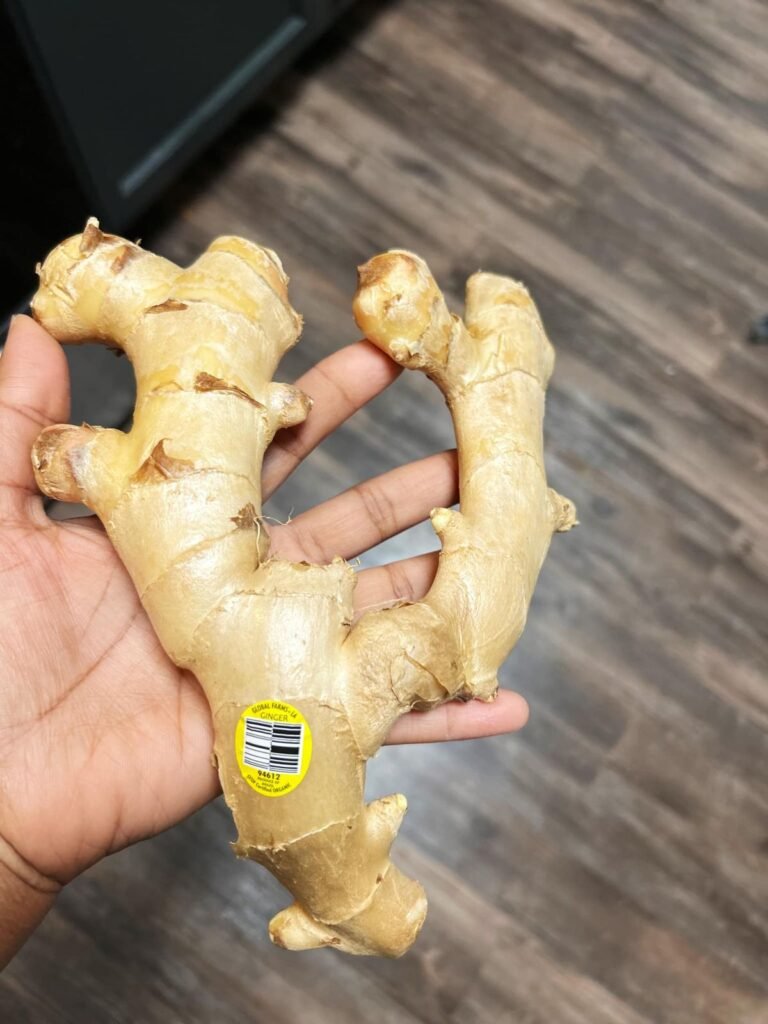
Ginger has long been used in traditional remedies for various forms of throat and respiratory discomfort. It contains natural compounds that may help support a healthy inflammatory response.
Ginger preparations, including teas and extracts, are commonly used when people experience throat irritation associated with coughing. While ginger does not suppress cough signals in the brain, it may help create conditions that make coughing less uncomfortable.
This supportive action places ginger among herbs frequently considered when exploring Which herbs mimic antitussives?
Comparing Herbs With Pharmaceutical Antitussives
The main difference between herbal remedies and pharmaceutical antitussives is their method of action.
Pharmaceutical cough suppressants may directly influence cough pathways, while herbs generally work through:
- Throat protection
- Moisture support
- Traditional soothing effects
- Mild anti-inflammatory activity
Herbal remedies may be useful for occasional cough discomfort, but persistent coughs can sometimes indicate infections, allergies, asthma, reflux, or other health conditions requiring professional evaluation.
Understanding Which herbs mimic antitussives? does not mean herbs are identical substitutes for approved medications. Instead, it helps explain where traditional remedies and modern cough treatments overlap.
Safety Considerations When Using Herbal Cough Remedies
Natural does not always mean risk-free. Some herbs may interact with medications or may not be suitable for certain individuals.
Before using herbal cough products regularly, consider:
- Existing medical conditions
- Current medications
- Allergies or sensitivities
- Recommended dosage guidelines
Pregnant individuals, children, and people with chronic respiratory conditions should seek professional advice before using certain herbal preparations.Frequently Asked Questions About Traditional Herbal Remedies and Their Overlap With Modern Antitussives
1. Which traditional herbal remedies show pharmacological overlap with modern antitussives?
Traditional herbal remedies that may show pharmacological overlap with modern antitussives include herbs such as marshmallow root, licorice root, thyme, ivy leaf, and mullein. These plants have historically been used to soothe cough symptoms, reduce throat irritation, or support easier breathing. Some contain natural compounds that influence mechanisms also targeted by modern cough medicines, such as reducing airway irritation, supporting mucus clearance, or calming cough reflex sensitivity. However, their effects can vary depending on preparation, dosage, and individual response.
2. How do herbal cough remedies work compared with modern antitussive medicines?
Herbal cough remedies often work through multiple pathways rather than a single targeted mechanism. For example, demulcent herbs like marshmallow root may form a soothing layer over irritated throat tissues, which can help reduce the urge to cough. Thyme and ivy leaf are traditionally used to support respiratory comfort and mucus management. In contrast, modern antitussives are usually designed to directly suppress coughing by acting on specific pathways involved in the cough reflex. Some prescription and over-the-counter cough medicines may affect the central nervous system or reduce cough sensitivity, while herbal products often provide supportive symptom relief.
3. Can traditional herbs provide the same effects as pharmaceutical antitussives?
Traditional herbs may provide some similar effects to pharmaceutical antitussives, but they are not always equivalent. Certain herbal ingredients may help reduce coughing frequency, soothe inflammation, or improve comfort during respiratory illnesses. However, pharmaceutical antitussives undergo controlled testing for safety, effectiveness, and consistent dosing. Herbal remedies can differ significantly in strength depending on the plant source, extraction method, and product quality. People should consider herbal treatments as complementary options rather than direct replacements for medically approved cough medicines.
4. What active compounds in herbs are linked to cough-relieving effects?
Many traditional herbs contain bioactive compounds that researchers have studied for their potential respiratory benefits. Licorice root contains glycyrrhizin, a compound associated with soothing and anti-inflammatory properties. Thyme contains thymol and carvacrol, which have been investigated for their effects on respiratory comfort. Ivy leaf contains saponins that may influence mucus production and airway function. Marshmallow root contains mucilage, a substance known for its coating and soothing qualities. These compounds help explain why some traditional remedies have been used for generations for cough-related symptoms.
5. Are traditional herbal remedies safe to use alongside modern antitussives?
The safety of combining herbal remedies with modern antitussives depends on the specific products, ingredients, and a person’s health condition. Some herbs may interact with medications or affect conditions such as high blood pressure, kidney problems, or blood clotting disorders. For example, excessive use of certain herbal ingredients may cause unwanted effects, especially when taken in concentrated forms. Anyone using prescription cough medicines, other medications, or managing chronic health conditions should consult a healthcare professional before combining treatments.
Traditional herbal remedies and modern antitussives share some overlapping goals, including reducing cough discomfort and supporting respiratory health. Herbs such as thyme, licorice root, marshmallow root, ivy leaf, and mullein demonstrate how traditional practices have influenced modern approaches to cough management. While these remedies may offer supportive benefits, understanding their differences, limitations, and safety considerations is important when choosing an appropriate approach for cough relief.
Final Thoughts on Herbal Antitussive-Like Effects
Herbal remedies have played an important role in traditional approaches to cough care for generations. Plants such as marshmallow root, licorice root, thyme, and ginger may provide soothing effects that overlap with some goals of antitussive treatments.
The question Which herbs mimic antitussives? can be answered by recognizing that herbs usually do not copy pharmaceutical mechanisms exactly. Instead, they may calm irritation, protect throat tissues, and support respiratory comfort through natural compounds.
By understanding these similarities and differences, people can make more informed decisions about herbal options while recognizing when professional medical guidance is needed for ongoing or severe cough symptoms.