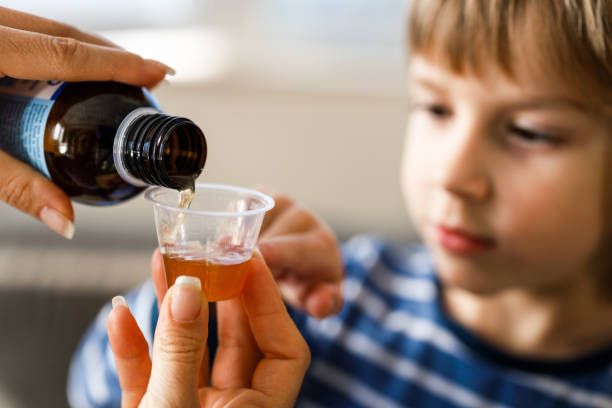
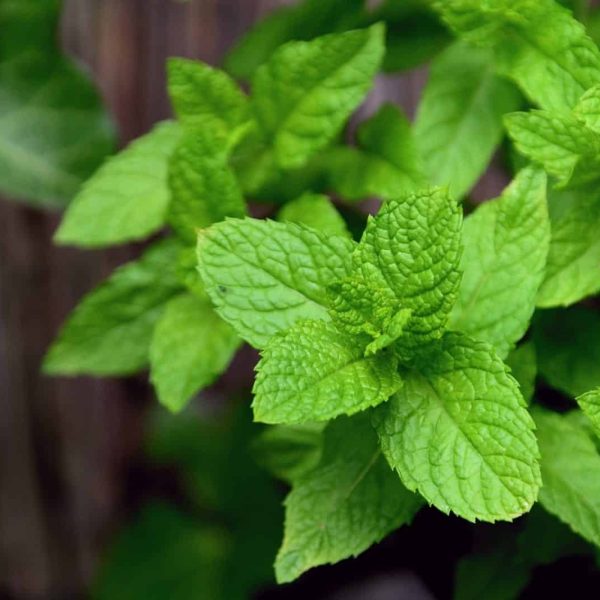
Short answer: Yes. Research shows several herbal antitussives (cough-suppressing plant remedies) calm the cough reflex through mechanisms that don’t rely on the brain’s opioid receptors at all — including local anesthetic-like effects on airway nerve endings, mucosal coating, anti-inflammatory action, and modulation of TRP ion channels. This is different from how codeine and other opioid-based cough medicines work, and it’s one of the reasons herbal antitussives are gaining renewed scientific interest.
If you’ve ever wondered whether the herbal cough syrup in your cupboard actually does anything at the pharmacological level — or whether it’s simply a placebo dressed up in folklore — this guide breaks down exactly what the evidence says. In short: do herbal antitussives work independently of the pathway opioid drugs rely on? Yes, and the mechanism behind that is worth understanding.For more information on herbal remedies that may offer effects similar to antitussives, see our previous article, “Which Herbs Mimic Antitussives?”, which provides a detailed discussion of traditional herbs and their potential role in cough relief. Read the previous article here
What Is an Antitussive, and How Does It Normally Work?
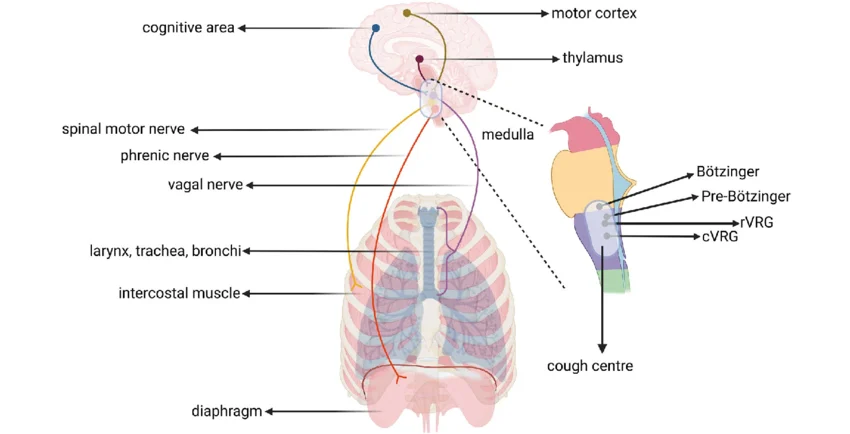
An antitussive is any substance that suppresses coughing by acting on the cough reflex arc — the loop that runs from irritant receptors in your airway, through the brainstem’s cough center, and back out to your respiratory muscles. Conventional antitussives, like codeine and dextromethorphan, mostly work by binding to opioid receptors in the brainstem, dialing down the central “cough command” itself.For a broader look at herbal antitussives, their effectiveness, and common cough-suppressant options, see our previously published guide.” Previously published guide
That’s the conventional model. But it raises an interesting question that a lot of people searching for natural remedies actually want answered:
Do Herbal Antitussives Work Independently of Opioid Receptors?
The evidence says yes, at least for several well-studied plants. Unlike codeine, most herbal antitussives don’t meaningfully bind opioid receptors in the brainstem. Instead, they interrupt the cough reflex at earlier, peripheral points — in the throat and airway lining — or influence different receptor systems entirely. This is why researchers describe many botanical cough remedies as acting through opioid-independent pathways.
Where the Opioid-Independent Effect Comes From
To understand why do herbal antitussives work independently of opioid receptors, it helps to look at where in the cough reflex arc these plants actually intervene:
- Peripheral sensory nerve modulation — Many herbal compounds dampen the sensitivity of cough-triggering nerve fibers (C-fibers and rapidly adapting receptors) lining the throat and airways, before a cough signal even reaches the brain.
- TRP channel interaction — Compounds in herbs like menthol and certain ivy-leaf saponins interact with transient receptor potential (TRP) channels, which are heavily involved in triggering the urge to cough, independent of opioid signaling.
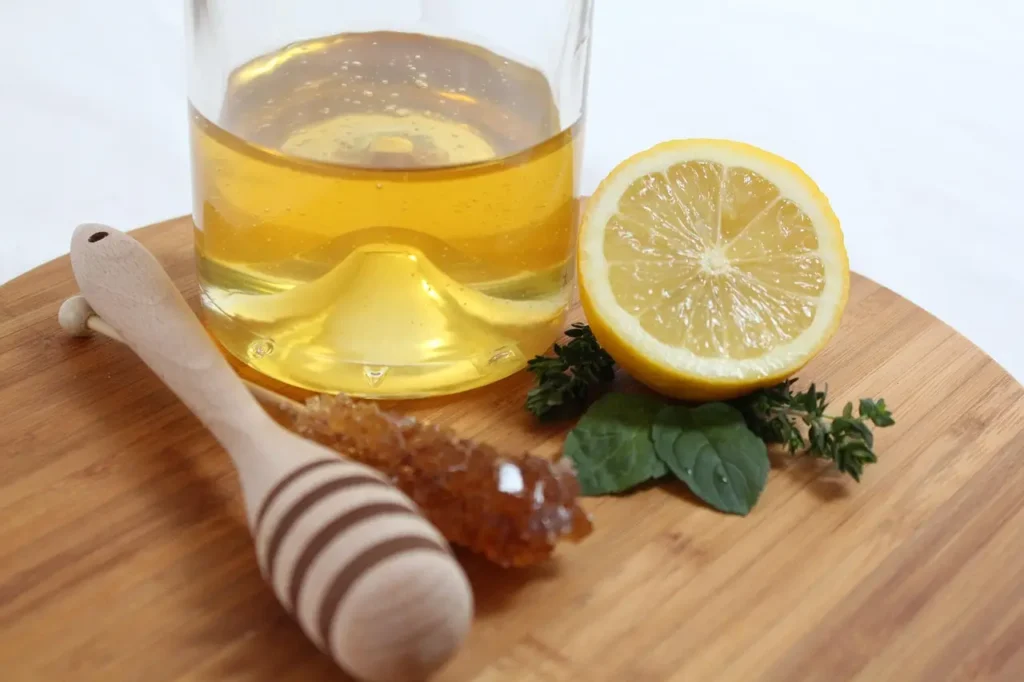
- Mucoadhesive/demulcent coating — Honey, marshmallow root, and licorice form a soothing film over irritated mucosa, physically reducing the mechanical trigger for coughing.
- Anti-inflammatory and expectorant action — Reducing airway inflammation and thinning mucus lowers the overall cough stimulus, an indirect but real mechanism that has nothing to do with opioid receptors.
- Mild local anesthetic effects — Some essential oil constituents (e.g., in thyme and eucalyptus) have a numbing effect on irritated airway tissue.
Common Herbal Antitussives With Opioid-Independent Mechanisms
Below are the plants most frequently cited in pharmacological literature when researchers ask, do herbal antitussives work independently of opioid receptors — and each one answers the question a little differently, depending on which part of the cough reflex arc it targets.
Thyme (Thymus vulgaris)
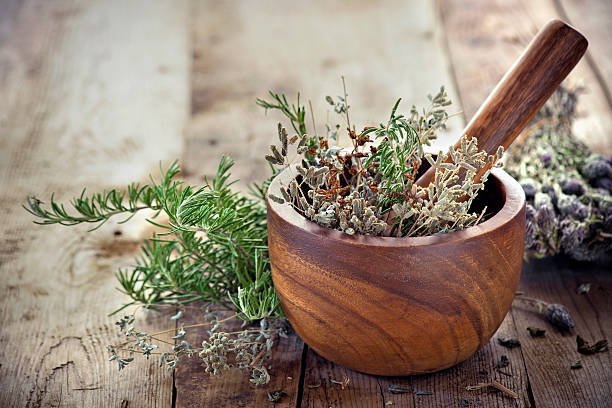
Thyme contains thymol and carvacrol, compounds studied for relaxing airway smooth muscle and reducing cough frequency in upper respiratory infections. Its action is largely peripheral and anti-spasmodic rather than central, which is a textbook example of how do herbal antitussives work independently of the opioid system.
Ivy Leaf (Hedera helix)
Ivy leaf extract is one of the more clinically studied herbal antitussives, commonly used in European cough preparations. Its saponins appear to increase surfactant activity in the airways and reduce mucus viscosity, easing cough mechanically rather than centrally.
Honey
Multiple clinical studies, including pediatric trials, have found honey reduces nighttime cough frequency and severity. Its demulcent, coating action and mild antimicrobial properties act entirely outside the opioid system — a clear, well-documented case of do herbal antitussives work independently in practice, not just in theory.
Marshmallow Root and Licorice Root
Both are classic demulcents. Their mucilage content coats the throat lining, reducing the physical irritation that triggers the cough reflex — a purely local, non-opioid effect.
Eucalyptus and Menthol
These provide a cooling sensation via TRPM8 receptor activation, which can subjectively reduce the urge to cough and open nasal passages, again without touching opioid receptors.
Do Herbal Antitussives Work Independently Across All Plant Remedies?
Not every plant marketed as a “natural cough remedy” has solid mechanistic backing. The opioid-independent effect is best documented for thyme, ivy leaf, honey, marshmallow root, licorice, and menthol/eucalyptus. Less-studied folk remedies may still be harmless, but the evidence that they work independently of opioid pathways — or work at all — is thinner.
Do Herbal Antitussives Work Independently? What the Research Actually Shows
Clinical and pharmacological research increasingly supports the idea that herbal antitussives work independently of opioid pathways, though the strength of evidence varies by plant:
- Peripheral cough reflex studies in animal models show ivy leaf and thyme extracts reduce cough sensitivity without any measurable opioid receptor binding.
- Clinical trials on honey consistently show symptom improvement comparable to, or better than, some over-the-counter cough suppressants, with a mechanism understood to be demulcent and anti-inflammatory rather than central.
- Systematic reviews of herbal cough preparations used in respiratory infections generally attribute efficacy to peripheral, mucosal, and anti-inflammatory actions — not opioid receptor agonism.
That said, research quality is uneven. Many herbal antitussive studies have small sample sizes or lack the rigorous double-blind design used for pharmaceutical opioids, so “opioid-independent” doesn’t automatically mean “equally strong” — it means the mechanism is different, not necessarily that the effect size always matches prescription-grade suppressants.
Are Herbal Antitussives Safe and Effective?
Knowing that do herbal antitussives work independently of opioid receptors answers the mechanism question — but safety is a separate consideration. For most healthy adults and, in age-appropriate forms, children over one year old, the herbal antitussives discussed above have a good general safety record when used short-term for mild, self-limiting coughs from colds or minor throat irritation. That said:
- Herbal remedies are not a substitute for medical care when a cough is severe, persistent (over 2–3 weeks), or accompanied by fever, chest pain, or breathing difficulty.
- Honey should never be given to infants under 12 months due to botulism risk.
- Herbal extracts can interact with medications; check with a pharmacist or doctor if you’re on prescription drugs.
- “Opioid-independent” does not mean “risk-free” — quality, concentration, and purity of herbal preparations vary widely between brands.
If you’re comparing options, our guide on choosing the right remedy for cold and flu symptoms walks through how to match a remedy to your specific symptoms.
How to Choose an Herbal Antitussive if You Want It to Work Independently of Opioid Effects
| If your cough is… | Consider… | Why it may help |
|---|---|---|
| Dry, tickly, throat-irritation type | Honey, marshmallow root, licorice | Demulcent coating soothes irritated mucosa |
| Linked to chest congestion/mucus | Ivy leaf, thyme | Expectorant and mucus-thinning action |
| Worse at night | Honey before bed | Clinically shown to reduce nocturnal cough frequency |
| Accompanied by a stuffy nose | Eucalyptus, menthol | TRP channel cooling effect eases both symptoms |
Whichever remedy you pick, the underlying reassurance is the same: do herbal antitussives work independently of the sedating opioid pathway? Yes, which is why none of the options above are likely to make you drowsy.
Do Herbal Antitussives Work Independently? A Reader and Community Perspective
Beyond the lab data, “do herbal antitussives work independently” is a question people ask from lived experience, not just from journal abstracts. Across forums, parenting groups, and herbalist communities, a common thread comes up again and again: people report that herbal antitussives feel gentler and slower-acting than codeine-based syrups, but with less grogginess — which lines up with what we’d expect from a peripheral, opioid-independent mechanism rather than a central nervous system depressant effect.
From our readers:
“I switched to ivy leaf syrup for my kids because I wanted something that wasn’t sedating. It took a bit longer to notice an effect, but the cough became less frequent within a couple of days.” — submitted by a reader
“Thyme tea genuinely calmed my throat tickle within the same evening. I don’t think it’s as strong as prescription cough medicine, but it didn’t leave me drowsy for work.” — submitted by a reader
Have you tried an herbal antitussive and noticed a difference? Share your experience in the comments below — real-world reports like these help other readers understand how these opioid-independent remedies actually perform outside a lab setting, and they add practical weight to the question of whether do herbal antitussives work independently in everyday use, not just in controlled trials.

Frequently Asked Questions About Whether Herbal Antitussives Work Independently
Do herbal antitussives work independently of the opioid system?
Yes. Most well-studied herbal antitussives — including thyme, ivy leaf, honey, and marshmallow root — act on the cough reflex through peripheral, mucosal, anti-inflammatory, or TRP-channel pathways rather than by binding opioid receptors in the brainstem, which is how codeine and similar drugs work.
If do herbal antitussives work independently, why do some still feel weaker than prescription medicine?
Because “independent mechanism” doesn’t automatically mean “equal strength.” Herbal antitussives act peripherally and gradually, calming the throat and airway rather than suppressing the brain’s cough center directly, so relief can feel gentler and slower to build than with a centrally-acting opioid drug.
What is the strongest evidence-based herbal antitussive?
Honey and ivy leaf extract currently have the strongest clinical support among herbal antitussives, with multiple controlled studies showing reduced cough frequency and severity through non-opioid, demulcent, and expectorant mechanisms.
Are herbal antitussives as effective as codeine-based cough medicine?
Not necessarily as potent for severe coughs, but for mild-to-moderate coughs from colds, several herbal antitussives perform comparably in clinical trials, with the added benefit of avoiding the sedation and dependence risks tied to opioid-based cough suppressants.
Can herbal antitussives be combined with regular cold medicine?
Sometimes, but not always safely. Check ingredient overlap first — combining a demulcent like honey with over-the-counter cold medicine is usually fine, but always confirm with a pharmacist before mixing herbal extracts with prescription drugs, since interactions are possible.
Why don’t herbal antitussives cause the drowsiness that opioid cough syrups do?
Because they largely don’t act on the central nervous system’s opioid receptors. Their effects are concentrated in the throat and airway lining (peripheral action), so they generally avoid the sedating, central nervous system effects associated with opioid-based antitussives.
Is it safe to give herbal antitussives to children?
Many, like honey (for children over 12 months) and diluted herbal teas, are considered appropriate in age-adjusted amounts, but persistent or severe cough in a child should always be evaluated by a pediatrician rather than managed with home remedies alone.
Key Takeaway: Do Herbal Antitussives Work Independently of Opioid Pathways?
So, do herbal antitussives work independently of opioid pathways? Based on current pharmacological and clinical evidence, yes — many of the most commonly used herbal cough remedies act through peripheral, mucosal, anti-inflammatory, and TRP-channel mechanisms rather than opioid receptor binding. That makes them a genuinely different tool from codeine-based cough medicine, not simply a milder version of it. As always, match the remedy to the type and severity of your cough, and see a doctor if symptoms persist.
For background on how conventional cough and cold formulations work, see Wikipedia’s overview of cold medicine. To understand the opioid receptor system these herbal remedies bypass, see Wikipedia’s entry on opioids.