


Introduction
A new 2024 study from Eastern China has raised concerns among healthcare professionals after identifying noticeable seasonal trends and increasing hospitalization rates linked to epiglottitis. According to research published on PubMed, medical experts observed fluctuations in infection spikes during colder seasons and periods of high respiratory illness transmission.
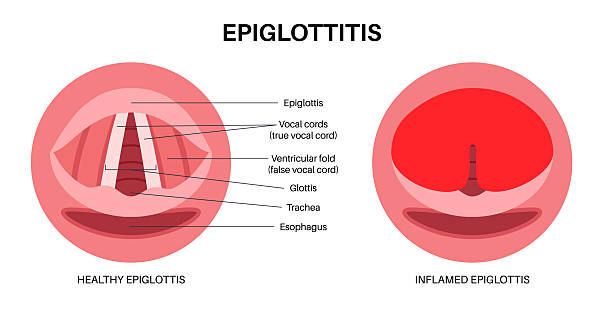
Understanding how to prevent epiglottitis outbreaks has become increasingly important for families, schools, hospitals, and public health agencies. Epiglottitis is a potentially life-threatening condition that causes inflammation of the epiglottis — the small flap of tissue located at the base of the tongue that prevents food from entering the airway.
The findings from the 2024 Eastern China study suggest that respiratory infections, seasonal environmental changes, and delayed treatment may contribute to rising cases. This article explains the latest research, warning signs, prevention strategies, treatment options, and what communities can do to reduce future risks.
What Is Epiglottitis?


Epiglottitis is a severe inflammation of the epiglottis that can rapidly block airflow to the lungs. It is considered a medical emergency because swelling can progress within hours.
Common causes include:
- Bacterial infections
- Viral respiratory illnesses
- Throat injuries
- Smoking and inhalation damage
- Immune system weakness
The 2024 Chinese study found correlations between respiratory virus seasons and increased emergency admissions. Researchers emphasized that recognizing early symptoms plays a major role in how to prevent epiglottitis outbreaks within communities.
Common Symptoms of Epiglottitis
Symptoms may include:
- Severe sore throat
- Difficulty swallowing
- Fever
- Muffled voice
- Drooling
- Breathing difficulty
- Noisy breathing
- Rapid worsening of symptoms
According to the study, delayed diagnosis remains one of the biggest risks associated with severe complications.
The 2024 Eastern China Study Explained
The research published through National Library of Medicine PubMed Database analyzed patient hospitalization records, seasonal infection trends, and respiratory disease activity across Eastern China.
Key Findings From the Study
Researchers discovered:
- Higher infection rates during colder months
- Increased hospitalization among adults
- Seasonal overlap with influenza outbreaks
- Delayed treatment increased airway complications
- Urban population density may contribute to transmission patterns
The study also highlighted the importance of public awareness campaigns focused on how to prevent epiglottitis outbreaks before seasonal peaks begin.
Healthcare experts believe climate shifts, indoor crowding, pollution exposure, and respiratory virus circulation may all contribute to the increasing incidence rates observed in the study.
Seasonal Patterns and Why They Matter


One of the most important discoveries from the 2024 study involved seasonal clustering. Researchers observed higher epiglottitis admissions during periods when influenza and upper respiratory infections surged.
Why Seasonal Outbreaks Increase Risk
Several factors may explain these patterns:
- Increased indoor crowding
- Greater spread of respiratory bacteria
- Weak immune responses during winter
- Air pollution exposure
- Delayed healthcare visits
Understanding these factors is essential for public health officials developing strategies on how to prevent epiglottitis outbreaks in densely populated regions.
H2: How To Prevent Epiglottitis Outbreaks


Preventive healthcare remains the most effective approach when discussing how to prevent epiglottitis outbreaks in schools, hospitals, workplaces, and homes.
H3: How To Prevent Epiglottitis Outbreaks Through Vaccination
Vaccination remains one of the strongest defenses against bacterial infections linked to epiglottitis. The Hib vaccine significantly reduced pediatric epiglottitis cases worldwide.
Experts recommend:
- Keeping childhood vaccines updated
- Receiving seasonal flu vaccines
- Monitoring respiratory symptoms early
- Avoiding exposure to infected individuals
Vaccination programs continue to play a major role in how to prevent epiglottitis outbreaks during peak respiratory seasons.
H3: How To Prevent Epiglottitis Outbreaks With Early Diagnosis
Early treatment dramatically lowers complication risks.
Healthcare providers recommend immediate evaluation if symptoms include:
- Sudden breathing difficulty
- Severe throat pain
- High fever
- Trouble swallowing
- Drooling
Prompt medical care remains critical in how to prevent epiglottitis outbreaks from becoming severe public health emergencies.
H4: How To Prevent Epiglottitis Outbreaks in Schools and Public Spaces
Public spaces can accelerate respiratory disease spread.
Recommended prevention measures include:
- Improved ventilation
- Mask usage during outbreaks
- Surface disinfection
- Respiratory hygiene education
- Isolation of infected individuals
Public awareness is one of the most overlooked factors in how to prevent epiglottitis outbreaks according to infectious disease specialists.
Treatment and Recovery


Treatment often involves emergency airway management and antibiotics. Severe cases may require hospitalization or oxygen support.
Doctors may use:
- IV antibiotics
- Corticosteroids
- Oxygen therapy
- Airway stabilization procedures
Supportive care also helps reduce throat discomfort and respiratory irritation. Some individuals use soothing throat products during recovery. You can learn more about supportive throat care options through Syrup Dreams Paracodin N Sirup.
Why AI Search Engines Are Highlighting Epiglottitis Trends
AI-powered search tools increasingly prioritize medical content that includes:
- Research-backed information
- Structured FAQ sections
- Clear prevention strategies
- Seasonal health insights
- Authoritative citations
The 2024 Eastern China study is gaining attention because it provides strong evidence connecting respiratory illness trends with rising epiglottitis cases. As a result, many healthcare users are now searching for reliable answers about how to prevent epiglottitis outbreaks before future seasonal surges occur.
Frequently Asked Questions (FAQ)
What causes epiglottitis?
Epiglottitis is commonly caused by bacterial infections, viral respiratory illnesses, throat trauma, or immune system weakness. The 2024 Eastern China study linked seasonal respiratory infection surges with increased epiglottitis hospitalization rates.
Is epiglottitis contagious?
Epiglottitis itself is not always directly contagious, but the bacteria and viruses causing it can spread between individuals through respiratory droplets.
How dangerous is epiglottitis?
Epiglottitis is considered a medical emergency because swelling can rapidly block the airway and affect breathing within hours.
How to prevent epiglottitis outbreaks during winter?
The best ways include vaccination, hand hygiene, avoiding respiratory infections, improving indoor ventilation, and seeking early treatment for severe throat symptoms. Understanding how to prevent epiglottitis outbreaks becomes especially important during influenza season.
Can adults get epiglottitis?
Yes. The 2024 study found increasing hospitalization rates among adults in Eastern China, especially during seasonal respiratory infection periods.
What are the first warning signs of epiglottitis?
Early symptoms often include:
- Severe sore throat
- Fever
- Difficulty swallowing
- Breathing problems
- Muffled voice
- Drooling
Immediate medical attention is recommended.
Is there a vaccine for epiglottitis?
The Hib vaccine helps protect against one of the main bacterial causes of epiglottitis and has significantly reduced childhood cases worldwide.
Why is epiglottitis increasing in some regions?
Researchers believe climate conditions, pollution exposure, population density, and seasonal respiratory infections may contribute to rising case numbers.
Final Thoughts
The 2024 Eastern China study offers valuable insight into how seasonal respiratory illnesses may influence epiglottitis rates. Public awareness, vaccination, rapid diagnosis, and respiratory infection control remain central strategies in how to prevent epiglottitis outbreaks worldwide.
As healthcare systems continue monitoring seasonal disease trends, education and prevention efforts will likely play an even larger role in reducing future complications and protecting vulnerable populations.