

If you’ve recovered from the flu but you’re still hacking away weeks later, you’re not alone. The most common reason why is my unproductive cough not going away after flu is lingering airway inflammation — your immune system’s cleanup crew is still repairing tissue long after the virus itself is gone. In most cases this dry, non-mucus-producing cough is harmless and fades within two to eight weeks, but sometimes it signals something that needs medical attention.
In this guide, we’ll break down exactly why this happens, how long you should expect it to last, what you can do to feel better faster, and — most importantly — when that stubborn cough means it’s time to call a doctor.

Why Is My Unproductive Cough Not Going Away After Flu? (The Short Answer)
The short answer to why is my unproductive cough not going away after flu is that influenza damages the delicate lining of your airways, and that lining takes far longer to heal than your other flu symptoms. Even after the influenza virus has been cleared by your immune system, the nerve endings in your throat and bronchial tubes remain irritated and hypersensitive, triggering a dry, tickly cough reflex with little or no mucus involved.
This is sometimes called a post-viral cough or post-infectious cough, and it is one of the most common reasons people search for answers weeks after their flu symptoms have technically resolved.For more information about post-viral cough, including how it can overlap with allergy and asthma symptoms, see our previously published guide, “Post Viral Allergy Asthma Cough: How to Tell the Difference Between Post-Viral, Allergy, and Asthma Coughs.” It provides a detailed comparison of these conditions, their common symptoms, triggers, and when medical evaluation may be appropriate.
Understanding an Unproductive Cough
Before we go further, it helps to understand the difference between the two main types of cough:
- Productive cough – brings up mucus or phlegm; it’s your body’s way of clearing your airways.
- Unproductive (dry) cough – produces little to no mucus and often feels like a persistent tickle or irritation deep in the throat or chest.
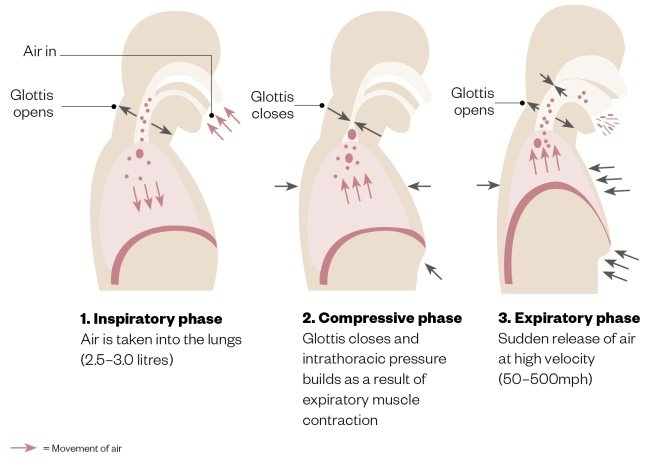
You can read more about the mechanics of coughing on Wikipedia’s cough overview, which explains how the cough reflex is triggered by irritation of receptors lining the respiratory tract — exactly what happens after a flu infection. Knowing this distinction is the first step to understanding why is my unproductive cough not going away after flu.
If you’re also managing other lingering symptoms, our complete guide to flu recovery and aftercare walks through the full recovery timeline in more detail.
Why Is My Unproductive Cough Not Going Away After Flu? Top Reasons Explained
There are several overlapping reasons why is my unproductive cough not going away after flu, and identifying which one applies to you can help you choose the right relief strategy.
1. Post-Viral Airway Hypersensitivity
This is the single biggest reason why is my unproductive cough not going away after flu. The flu virus inflames and irritates the nerve endings lining your throat, trachea, and bronchial tubes. Even after the infection clears, those nerves stay “twitchy” and overreact to cold air, talking, laughing, or even deep breaths — producing a dry cough that can linger for several weeks.
2. Lingering Inflammation From Influenza
Influenza doesn’t just cause a few days of fever and body aches — it actively damages the epithelial cells lining your respiratory tract. Repairing this tissue takes time, which is a major reason why is my unproductive cough not going away after flu even when every other symptom has disappeared.
3. Postnasal Drip and Throat Irritation
Leftover mucus draining from your sinuses down the back of your throat can continuously trigger your cough reflex, even if it doesn’t feel like “phlegm” in the traditional sense. This is another frequent answer to why is my unproductive cough not going away after flu, especially if you also feel a constant urge to clear your throat.
4. Secondary Bacterial Infection
If your cough starts to worsen instead of improve, or if you develop a fever again after initially feeling better, a secondary bacterial infection such as bronchitis or pneumonia could be why your cough is not going away. This is one instance where you shouldn’t just wait it out.
5. Reactive Airways or Mild Asthma Flare-Up
Viral infections like the flu can temporarily trigger reactive airway symptoms, even in people with no prior history of asthma. This can explain why is my unproductive cough not going away after flu in people who also notice mild wheezing or chest tightness.
How Doctors Diagnose Why Your Unproductive Cough Isn’t Going Away After Flu
When you see a doctor about a lingering cough, they’ll typically start by listening to your lungs, asking about your symptom timeline, and ruling out red-flag symptoms like fever, shortness of breath, or chest pain. In some cases, they may order a chest X-ray, check your oxygen levels, or test for pertussis (whooping cough), which can closely mimic a stubborn post-flu cough.

How Long Is a Post-Flu Cough Normal?
Most people wondering why is my unproductive cough not going away after flu are relieved to learn that a lingering dry cough for two to three weeks after flu is completely normal. Here’s a general timeline:
| Timeframe | What’s Typically Happening |
|---|---|
| Days 1–7 | Active flu infection with fever, body aches, and productive cough |
| Week 2–3 | Fever and body aches resolve; dry cough often lingers |
| Week 3–8 | Airway inflammation gradually heals; cough slowly fades |
| Beyond 8 weeks | Considered a chronic cough — warrants medical evaluation |
If your cough is still present well past the eight-week mark, it’s no longer classified as a typical post-viral cough, and it’s worth getting checked out.
Home Remedies and Relief Tips for a Lingering Dry Cough
While you wait for your airways to heal, these strategies can ease irritation and help you sleep better:
- Stay hydrated – warm fluids like herbal tea or broth soothe an irritated throat.
- Use a humidifier – moist air reduces airway irritation, especially at night.
- Try honey – a spoonful of honey (for adults and children over 1 year old) can calm a dry cough naturally.
- Elevate your head while sleeping – this reduces postnasal drip pooling in your throat.
- Avoid irritants – smoke, strong perfumes, and cold dry air can all worsen a sensitive cough reflex.
- Consider throat lozenges – these keep the throat moist and reduce the urge to cough.
- Practice gentle steam inhalation – helps loosen any residual mucus contributing to throat irritation.
These simple measures address most of the everyday reasons why is my unproductive cough not going away after flu, without needing medication.

When Should You See a Doctor?
While a lingering dry cough is usually harmless, certain warning signs mean you shouldn’t wait to find out why is my unproductive cough not going away after flu on your own. See a doctor if you experience:
- Cough lasting longer than 8 weeks
- Fever that returns after initially improving
- Shortness of breath or chest tightness
- Coughing up blood or thick discolored mucus
- Wheezing or difficulty breathing
- Unexplained weight loss alongside the cough
- Severe fatigue that isn’t improving
Any of these symptoms could point to a secondary infection, pneumonia, or an underlying condition that needs proper treatment rather than home care alone.
Why Is My Unproductive Cough Not Going Away After Flu? Real Reader Experiences
We asked readers to share their own experiences with lingering post-flu coughs. Here’s what some of them said:
“Mine lasted almost 6 weeks. My doctor said it was just post-viral inflammation and it finally went away on its own.” — Amara T.
“I kept googling why is my unproductive cough not going away after flu at 2am! Turned out I had mild postnasal drip. An antihistamine helped a lot.” — Daniel R.
“Honey and warm water before bed made the biggest difference for me. Took about 4 weeks total to fully clear up.” — Priya M.
Have you dealt with a lingering cough after the flu? Share your experience and what helped in the comments below — your story could help someone else find relief.
Frequently Asked Questions
Why is my unproductive cough not going away after flu? Your cough likely persists because the flu virus irritates and inflames the nerve endings and tissue lining your airways. Even after the infection is gone, this inflammation takes weeks to fully heal, keeping your cough reflex overly sensitive in the meantime.
Is it normal to cough for weeks after the flu? Yes. A dry, lingering cough for two to eight weeks after flu is common and is usually caused by post-viral airway irritation rather than an ongoing infection.
How can I stop a dry cough after the flu? Staying hydrated, using a humidifier, taking honey, avoiding irritants like smoke, and sleeping with your head elevated can all help calm an irritated cough reflex while your airways heal.
When is a post-flu cough dangerous? It becomes concerning if it lasts longer than 8 weeks, is accompanied by fever, shortness of breath, chest pain, wheezing, or if you cough up blood or thick discolored mucus. These symptoms warrant prompt medical evaluation.
Can a lingering cough after flu turn into bronchitis or pneumonia? Yes, in some cases a secondary bacterial infection can develop after the flu, leading to bronchitis or pneumonia. This is more likely if your cough worsens instead of improving, or if fever returns after you initially felt better.
Should I take cough medicine for an unproductive cough after flu? Over-the-counter cough suppressants can help manage symptoms for comfort, especially at night, but they don’t speed up healing. If your cough doesn’t improve after several weeks, see a doctor rather than relying on medication alone.
Final Thoughts
A lingering dry cough after the flu is frustrating, but in most cases it’s simply your airways finishing the healing process — not a sign that you’re still sick. Understanding why is my unproductive cough not going away after flu can bring peace of mind while you wait it out with simple home care. Just keep an eye on the warning signs above, and don’t hesitate to see a doctor if your cough overstays its welcome.