

You finally beat the flu. The fever is gone, your energy is back, and you’re sleeping through the night again — except for one thing: that dry, tickly cough just won’t quit. If you’ve typed “why cough after flu?” into a search bar at 2 a.m., you’re far from alone. A lingering cough after a respiratory infection is one of the most common reasons people book a follow-up doctor’s visit, and the good news is that in most cases, it’s normal, explainable, and temporary.
This guide breaks down exactly what’s going on, how long you should expect it to last, when it’s a sign of something more serious, and what doctors actually recommend to calm it down.

Why Cough After Flu? The Short Answer
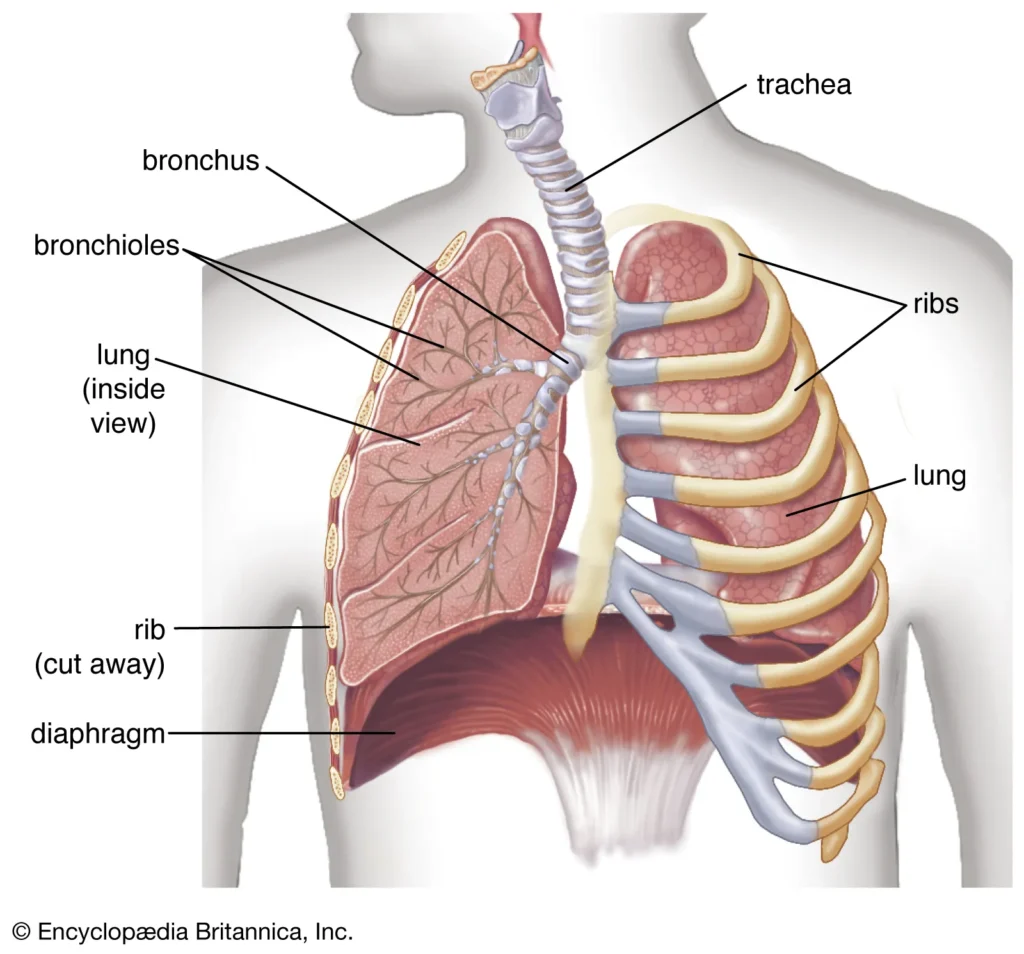
In short, why cough after flu? comes down to one word: inflammation. The flu virus doesn’t just irritate your nose and throat — it damages the delicate lining of your airways, all the way down to your bronchial tubes. Even after your immune system clears the virus itself, that lining stays inflamed and overly sensitive for weeks. Every breath of cold air, dust, or perfume can trigger your cough reflex, which is your body’s built-in defense mechanism for clearing irritants from the airways.
So the honest answer is: your lungs are still healing, even though you feel better everywhere else.
Why Cough After Flu? How the Body Reacts After a Viral Infection
To really understand what’s happening, it helps to know what influenza actually does to your respiratory tract. The influenza virus attacks and kills the cells lining your airways, and it takes your body several weeks to regenerate that protective tissue — a process doctors call post-viral airway hyperresponsiveness.
Why Cough After Flu? The Role of Airway Inflammation
During this repair period, your airways are essentially “raw” and hypersensitive. This explains why the cough can feel worse at night, after exercise, or when you step outside into cold air — all of these are common cough triggers while the airway lining is still regenerating.
Why Cough After Flu? The Cough Reflex Explained
Coughing is a protective reflex controlled by receptors in your throat, windpipe, and lungs. After the flu, these receptors become more sensitive than usual, so they fire off a cough in response to things that wouldn’t normally bother you — mild dust, talking too much, or even a deep breath. This heightened sensitivity is a major reason the cough persists long after other symptoms fade.
How Long Does a Cough Last After the Flu?
Most post-flu coughs resolve within 2 to 3 weeks, but it’s completely normal for a dry cough to linger for up to 8 weeks in some people. Doctors actually have a name for this: a “subacute cough” (lasting 3–8 weeks) or, if it goes beyond 8 weeks, a “chronic cough.” Understanding this timeline is central to answering why cough after flu? without panicking every time it doesn’t disappear overnight.
If your cough is improving — even slowly — that’s a good sign your body is on track. It’s when the cough is getting worse, or new symptoms appear, that it’s worth a closer look (more on that below).You can also explore our previous article on cough and flu relief, which covers related symptoms, treatment options, and practical advice in greater detail. See the previous cough and flu article
Why Cough After Flu? The Most Common Causes of a Lingering Cough
There isn’t just one explanation — it’s usually a combination of factors. Here are the most common culprits:
- Postnasal drip: Mucus draining down the back of your throat continues to trigger coughing long after congestion clears.
- Airway hyperreactivity: As explained above, irritated airway linings overreact to normal triggers.
- Post-infectious bronchitis: Inflammation of the bronchial tubes themselves, causing a persistent dry or mildly productive cough.
- Mild asthma flare: Viral infections can temporarily worsen or even unmask undiagnosed asthma.
- Acid reflux (GERD): Lying down more while sick can worsen reflux, which irritates the throat and triggers coughing.
- Dry indoor air: Heating systems and low humidity can further irritate already-sensitive airways.
Why Cough After Flu? When a Secondary Bacterial Infection Is to Blame
Occasionally, the answer is more specific: a secondary infection. Viruses like influenza can weaken your airway defenses enough for bacteria to move in, leading to conditions like bacterial bronchitis, sinusitis, or pneumonia. This is more likely if your cough was improving and then suddenly got worse, or if it comes back along with a new fever.
When Should You See a Doctor About a Cough After the Flu?
While a lingering cough is usually harmless, certain symptoms mean it’s time to stop searching why cough after flu? online and call your doctor instead. Seek medical attention if you experience:
- A cough lasting longer than 8 weeks
- A fever that returns or a new fever after you’d started feeling better
- Coughing up green, yellow, or blood-tinged mucus
- Shortness of breath or chest pain, especially with breathing
- Wheezing or a whistling sound when you breathe
- Unexplained weight loss alongside the cough
- Symptoms in a young child, older adult, pregnant person, or anyone with a chronic lung or heart condition
If any of these apply, don’t wait it out — a quick evaluation can rule out pneumonia, bronchitis, or an underlying condition like asthma.

How to Relieve a Dry Cough After Flu (Doctor-Approved Tips)
Once serious causes have been ruled out, most people just want relief while their airways finish healing. These are the strategies doctors most often recommend:
- Stay hydrated. Warm fluids like tea, broth, or warm water with honey soothe an irritated throat and thin mucus.
- Use a humidifier. Adding moisture to dry indoor air reduces airway irritation, especially overnight.
- Try honey. Studies suggest honey can be as effective as some over-the-counter cough suppressants for calming a dry cough (avoid giving honey to children under 1 year old).
- Elevate your head at night. This reduces postnasal drip and reflux, two common contributors to a cough that keeps you up at night.
- Avoid irritants. Smoke, strong perfumes, and cold, dry air can all reignite a healing cough reflex.
- Consider an OTC option. Cough drops, saline nasal rinses, or a short course of antihistamines can help, depending on the underlying cause.
- Give it time. In the absence of red-flag symptoms, patience is genuinely one of the most effective treatments.
Why Cough After Flu? How to Lower Your Risk Next Time
You can’t guarantee you’ll never deal with a lingering cough again, but a few habits lower the odds:
- Get your annual flu vaccine, since milder infections tend to cause less airway damage.
- Treat colds and flu symptoms early rather than pushing through and overexerting yourself.
- Manage underlying conditions like asthma or GERD, since both make why cough after flu? a more likely question for you personally.
- Use a humidifier during dry seasons to protect your airway lining year-round.
For more background on how respiratory infections spread and affect the body, see this internal guide on managing symptoms after a respiratory infection on our site, or read a general overview of the influenza virus and how it affects the respiratory tract. You can also learn more about the physiology of the cough reflex itself.
Reader Experiences: You’re Not Alone
We asked readers in our comments section to share their own experience with a lingering cough — here’s what a few of them said:
“Mine lasted almost six weeks after the flu this winter. My doctor said it was completely normal since I had a bad case, and it finally cleared up on its own.” — Reader comment
“I kept asking myself why cough after flu wouldn’t go away, and it turned out I also had mild reflux making it worse. Once I treated that, the cough improved fast.” — Reader comment
“A humidifier at night made the biggest difference for me. Within a week the coughing fits were way less frequent.” — Reader comment
Have you dealt with a cough that lingered after the flu? Share what worked (or didn’t) for you in the comments below — your experience could help another reader still wondering why cough after flu? won’t let up.
FAQs About Why Cough After Flu?
Why cough after flu? A cough lingers after the flu because the virus inflames and irritates the lining of your airways. Even after the infection itself is gone, that irritation takes several weeks to heal, leaving your cough reflex overly sensitive to normal triggers like cold air, talking, or dust.
Is it normal to still be coughing 3 weeks after the flu? Yes. A cough lasting up to 3 weeks — and sometimes as long as 8 weeks — after a flu or cold is considered a normal “subacute cough.” As long as it’s gradually improving and you don’t have new symptoms like fever or chest pain, it’s typically nothing to worry about.
How do you get rid of a lingering cough after the flu? Staying hydrated, using a humidifier, trying honey for a dry cough, elevating your head while sleeping, and avoiding airway irritants like smoke can all help. If the cough hasn’t improved after 8 weeks, or if you develop new symptoms, see a doctor.
Can a cough after the flu turn into bronchitis or pneumonia? Yes, in some cases. A weakened respiratory tract after the flu can leave you more vulnerable to a secondary bacterial infection like bronchitis or pneumonia. Warning signs include a returning fever, colored or bloody mucus, chest pain, and shortness of breath.
When should I worry about a cough after the flu? You should see a doctor if your cough lasts longer than 8 weeks, worsens instead of improving, comes with a new or returning fever, produces green/yellow/bloody mucus, or is accompanied by wheezing, chest pain, or shortness of breath.
Is a dry cough or wet cough more common after the flu? A dry, tickly cough is more common in the weeks after flu recovery, since it’s usually driven by airway irritation rather than active mucus production. A wet or productive cough that develops later can sometimes signal a secondary infection and is worth mentioning to your doctor.
The Bottom Line
If you’re still wondering why cough after flu? keeps hanging around, the simplest explanation is usually the right one: your airways are healing from the inside out, and that takes time. Give your body a few weeks, lean on soothing home remedies, and watch for red-flag symptoms. In the vast majority of cases, this cough is a normal — if annoying — final chapter of recovery, not a sign that something has gone wrong.