

Persistent cough after infection?A cough that lingers after a respiratory infection often feels worrying. However, doctors note that most people continue coughing for weeks because airway tissues need time to heal. Still, some symptoms require closer attention, especially when the cough worsens or new problems appear. For helpful wellness tips, you can also check SyrupDreams. According to experts at UCLA Health, many patients recover normally, although certain warning signs deserve evaluation.
Is a Persistent Cough After Infection? a Normal Recovery Sign?

Many people develop a lingering cough after cold, flu, or COVID-19. Airways stay inflamed, so the body needs extra time to clear mucus. Consequently, a cough may last two to eight weeks even when the infection is gone. Medical studies show that post-viral coughs remain common across all age groups. Although this often feels frustrating, most people heal without complications.
Nevertheless, duration alone does not confirm whether the issue is harmless. Some people face stronger inflammation because of allergies, asthma, or previous lung conditions. Therefore, paying attention to changes in intensity or triggers helps you understand what is happening. Dry coughs usually fade slowly, while productive coughs often resolve faster because mucus clears. Doctors explain that irritants like smoke or dust may prolong recovery because sensitive tissues react easily.
Case reports highlight examples of individuals recovering normally after long cough episodes. One study found that many adults continued coughing for over 20 days after influenza. Another study linked delayed cough recovery to airway hyper-reactivity after viral infections. Even though the symptoms seemed intense, most patients eventually recovered without long-term issues. These patterns show why doctors often reassure patients when symptoms gradually improve.
When Does a Persistent Cough After Infection? Become a Warning Sign?

Not every cough is harmless. Some symptoms suggest complications that require medical evaluation. For example, coughs that last more than eight weeks may indicate asthma, GERD, or chronic bronchitis. New breathing difficulty should prompt immediate attention because lung function may be affected. Coughs with chest pain, wheezing, or blood always need professional assessment.
Although persistent coughs usually improve, sudden worsening signals a possible secondary infection. Fever returning after recovery may indicate bacterial pneumonia. Medical data shows that many people ignore such signs because they assume it is “just a cough.” Additionally, people working in polluted environments face slower recovery because their lungs remain irritated daily.
Another serious sign appears when night-time symptoms disrupt sleep. Many specialists associate night coughing with uncontrolled asthma. Even though asthma may start after infections, early diagnosis helps prevent severe flare-ups. Children also need timely evaluation because their airways react more strongly than adult airways. Studies show that post-viral wheezing in children may predict later asthma development.
What Helps Reduce a Persistent Cough After Infection?
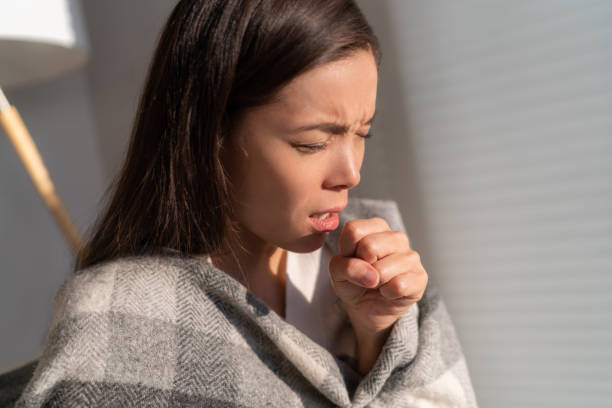
Several proven strategies support airway healing. Hydration remains one of the most effective methods because thin mucus clears faster. Warm fluids help soothe irritated tissues. Steam inhalation also eases dryness and reduces throat irritation. Although healing takes time, consistent care speeds progress.
Healthcare providers sometimes recommend antihistamines or inhalers when allergies or airway sensitivity play a role. Proper diagnosis ensures the right treatment because cough causes differ among individuals. Moreover, people with acid reflux often benefit from diet adjustments. Reducing spicy foods, caffeine, or late-night meals prevents acid from irritating the throat.
Lifestyle also influences recovery. Avoiding smoke, dust, or strong cleaning agents protects healing tissues. Many workplaces expose people to chemicals that trigger coughing. Although complete avoidance is not always possible, wearing masks helps reduce exposure. Additionally, several studies show that breathing exercises improve lung function after infections. Deep, controlled breathing helps loosen mucus and strengthen respiratory muscles.
Furthermore, monitoring your symptoms helps you decide when to seek care. Tracking cough duration, mucus color, triggers, and severity gives doctors better insights. Because recovery timelines vary widely, detailed notes help determine whether the pattern matches normal healing.
How Long Should a Persistent Cough After Infection? Last Before Seeing a Doctor?

Doctors recommend seeking evaluation if a cough persists beyond eight weeks. Although many people recover earlier, some continue coughing because of underlying conditions. However, worsening symptoms at any stage deserve attention. Sudden shortness of breath or chest tightness can indicate complications. Even though such symptoms may appear mild initially, early diagnosis prevents severe outcomes.
Coughs accompanied by weight loss, fatigue, or night sweats require medical investigation. These signs may relate to infections like tuberculosis, which remains common in some regions. Therefore, testing helps rule out serious illnesses. Persistent coughs also require attention in smokers because chronic irritation increases long-term risks.
Moreover, repeated infections within a short period suggest weakened immunity. Doctors sometimes perform lung imaging or breathing tests to examine deeper issues. Although such tests sound intense, they provide clear answers. Many patients feel relieved after learning their lungs are healthy and the cough is simply lingering.
Final Thoughts
A persistent cough feels uncomfortable, yet most cases follow a normal healing pattern. Because inflammation takes time to settle, coughing may continue even when other symptoms fade. However, paying attention to warning signs ensures timely care. Using healthy strategies supports a smoother recovery. High-quality information helps you take better steps toward long-term wellness.