
Codeine cough syrup is often seen as a harmless home remedy for a bad cough. But this opioid-based medicine can do far more than quiet your throat. Many people are surprised to learn that codeine causing sleep problems is one of the most common — yet least talked about — reactions to this drug, and it can set off a chain reaction that includes a racing heart, anxiety, hallucinations, and memory loss.
In this guide, we break down exactly why codeine cough syrup triggers these effects, who is most at risk, and what you can do to stay safe.

What Is Codeine and Why Is It Used in Cough Syrup?
Codeine is an opioid derived from the opium poppy. It’s prescribed for mild-to-moderate pain and, in lower doses, added to cough syrups because it suppresses the brain’s cough reflex. You can read a full clinical overview of the drug on Wikipedia’s codeine page, which covers its history, chemistry, and medical uses in detail.
Because codeine acts directly on the central nervous system, it doesn’t just quiet a cough — it also affects mood, heart function, and, importantly, sleep.
Codeine Causing Sleep Problems: An Overlooked but Common Side Effect
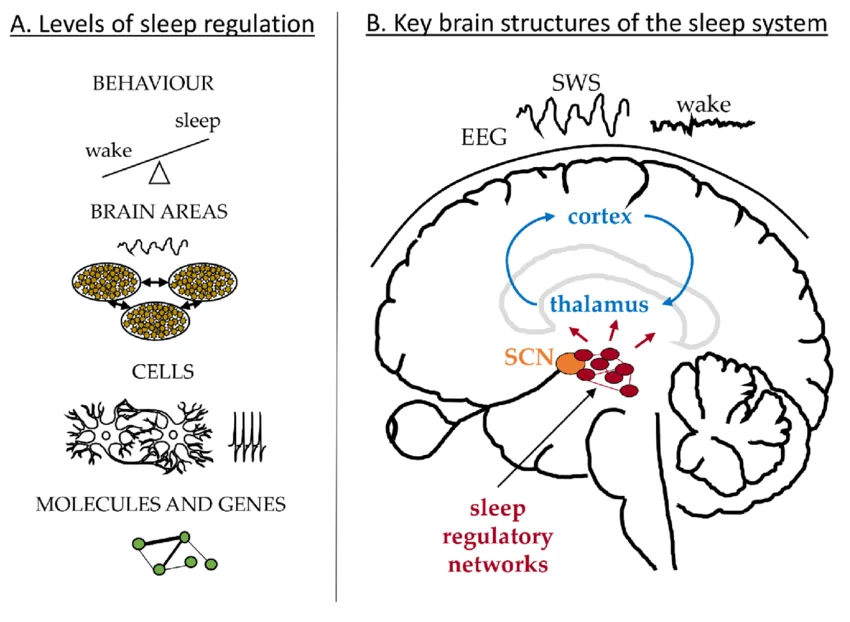
Most people don’t associate cough medicine with insomnia, but codeine causing sleep problems is actually one of the drug’s most frequently reported effects. Codeine alters the brain’s normal sleep architecture by reducing REM sleep and increasing shallow, easily-interrupted sleep stages. The result is a person who feels sedated at first, then wakes up repeatedly through the night.
Over time, this pattern of codeine causing sleep problems can leave the body chronically under-rested, which is where many of the drug’s “shocking” side effects — increased heart rate, anxiety, hallucinations, and memory loss — actually begin.
Why Codeine Causing Sleep Problems Happens More at Night
Codeine slows breathing and relaxes the muscles involved in respiration. At night, when breathing naturally slows anyway, this effect is amplified. Many users experience shallow breathing, snoring, or brief awakenings caused by low oxygen levels. This is a major reason codeine causing sleep problems tends to feel worse after dark than during the day, even at the same dose.
Why Does Codeine Cough Syrup Cause Increased Heart Rate?
Codeine can trigger the release of histamine in the body, which can cause blood vessels to widen and the heart to beat faster to compensate. In higher doses, or when combined with other stimulants, this effect becomes more pronounced.
There’s also a sleep connection here. When codeine causing sleep problems keeps the body from getting deep, restorative rest, the nervous system stays in a low-grade “stressed” state. A sleep-deprived body tends to run on adrenaline, which naturally elevates resting heart rate.
The Connection Between Codeine Causing Sleep Problems and a Racing Heart
Poor sleep quality is independently linked to higher heart rate variability and elevated blood pressure. So when codeine causing sleep problems continues night after night, the cardiovascular strain can compound, making palpitations and a racing pulse more noticeable — especially in people who already have an underlying heart condition.

Why Does Codeine Cause Anxiety?
Codeine affects the brain’s opioid receptors, which interact closely with the systems that regulate mood and stress response. As the drug wears off, many users experience a “rebound” effect — a wave of restlessness and worry that can feel like sudden anxiety.
How Codeine Causing Sleep Problems Fuels Anxiety Symptoms
Sleep and anxiety are deeply connected. When codeine causing sleep problems disrupts a full night’s rest, the brain has less time to process emotions and regulate stress hormones like cortisol. This is a well-documented cycle: poor sleep raises anxiety, and anxiety makes sleep even harder to get, creating a loop that can feel impossible to break without medical support.
Why Does Codeine Cause Hallucinations?
Hallucinations from codeine are less common but do occur, particularly at higher doses or with prolonged use. Codeine can alter dopamine and serotonin activity in the brain, both of which play a role in perception and reality-testing.
Severe, ongoing codeine causing sleep problems can make this worse. Sleep deprivation on its own is a known trigger for visual and auditory hallucinations — even in people who have never taken an opioid. Combine chronic sleep loss with codeine’s direct effects on the brain, and the risk of hallucinations rises significantly.
Why Does Codeine Cough Syrup Cause Memory Loss?
Memory consolidation — the process of turning short-term experiences into long-term memories — happens primarily during deep sleep. When codeine interferes with this stage of sleep, the brain simply doesn’t get the chance to file away the day’s information properly.
How Codeine Causing Sleep Problems Affects Memory Formation
This is where codeine causing sleep problems becomes especially important to understand. Even a single night of fragmented sleep can measurably reduce memory recall the next day. For someone using codeine cough syrup regularly, repeated nights of poor sleep can add up to noticeable gaps in memory, difficulty concentrating, and a general sense of mental fog.
Who Is Most at Risk of These Side Effects?
Some people are more likely than others to experience the full range of codeine’s side effects, including disrupted sleep. Risk factors include:
- Taking higher-than-recommended doses or using the syrup more frequently than prescribed
- Combining codeine with alcohol, antihistamines, or other sedatives
- Having a pre-existing heart condition, anxiety disorder, or sleep disorder
- Using codeine long-term rather than for short-term cough relief
- Being an older adult or having liver/kidney impairment, which slows how the body clears the drug
How to Reduce the Risk of Codeine Causing Sleep Problems and Other Side Effects
If you or someone you know needs codeine cough syrup, these steps can help lower the chances of experiencing severe side effects:
- Stick to the prescribed dose. Never take more than recommended, even if symptoms feel severe.
- Avoid mixing with alcohol or sedatives. This combination significantly raises the risk of both sleep disruption and dangerous breathing changes.
- Use it short-term only. Codeine cough syrup is meant for brief use, not as a long-term sleep or cough solution.
- Track your sleep. If you notice ongoing sleep disruption while taking the syrup, tell your doctor rather than adjusting the dose yourself.
- Watch for early warning signs. A faster heartbeat, new anxiety, or vivid dreams can be early signals to stop and seek medical advice.
For a deeper look at how to use cough medicines safely, see our guide on safe dosage guidelines for cough and cold medicine.
When Should You See a Doctor?
Contact a healthcare provider promptly if you notice:
- A heart rate that stays elevated even at rest
- Hallucinations, confusion, or disorientation
- Anxiety or panic that doesn’t settle within a day of stopping the medicine
- Ongoing sleep disruption that lasts more than a few nights
- Signs of dependence, such as needing more of the syrup to feel the same effect
If you’re concerned about long-term use, our article on recognizing the signs of opioid dependence explains what to watch for and when to get help.
Frequently Asked Questions About Codeine Cough Syrup Side Effects
Can codeine cause sleep problems?
Yes. Codeine causing sleep problems is a well-documented side effect. It disrupts normal sleep stages, particularly REM sleep, and can cause frequent night waking, shallow breathing, and difficulty falling back asleep.
How long do codeine’s side effects last?
Most side effects fade within 24 to 48 hours after stopping the medication, though sleep disturbances and anxiety can sometimes linger for several days, especially after regular use.
Is codeine cough syrup addictive?
Yes, codeine is an opioid and carries a risk of physical dependence and addiction, particularly with prolonged or high-dose use. This is one reason it’s typically recommended only for short-term use.
Can codeine cause hallucinations at normal doses?
Hallucinations are rare at standard doses but can still occur, especially in people who are sleep-deprived, elderly, or taking other medications that interact with codeine.
What should I do if I experience codeine causing sleep problems and anxiety together?
Stop taking the syrup if possible, avoid caffeine and alcohol, and contact a healthcare provider. The combination of poor sleep and anxiety can be distressing but is usually manageable once the medication clears your system and with medical guidance.
Is codeine cough syrup safe for children?
Codeine is generally not recommended for children due to unpredictable metabolism and a higher risk of serious side effects, including dangerously slowed breathing. Always check with a pediatrician before giving any codeine-containing product to a child.
Final Thoughts
Codeine cough syrup can be effective for short-term cough relief, but its effects go well beyond the throat. From codeine causing sleep problems to increased heart rate, anxiety, hallucinations, and memory loss, these side effects are connected — poor sleep often sits at the center of the cycle. Understanding this link can help you or a loved one use the medication more safely and know when it’s time to call a doctor.
Have you experienced disrupted sleep or any of the other side effects mentioned here? Share your experience in the comments below — your story could help someone else recognize the warning signs sooner.